
Why Are 26 South Korean Ships Stranded in the Hormuz Strait? A Deep Dive into the Ongoing Crisis
Daniel Kim Views
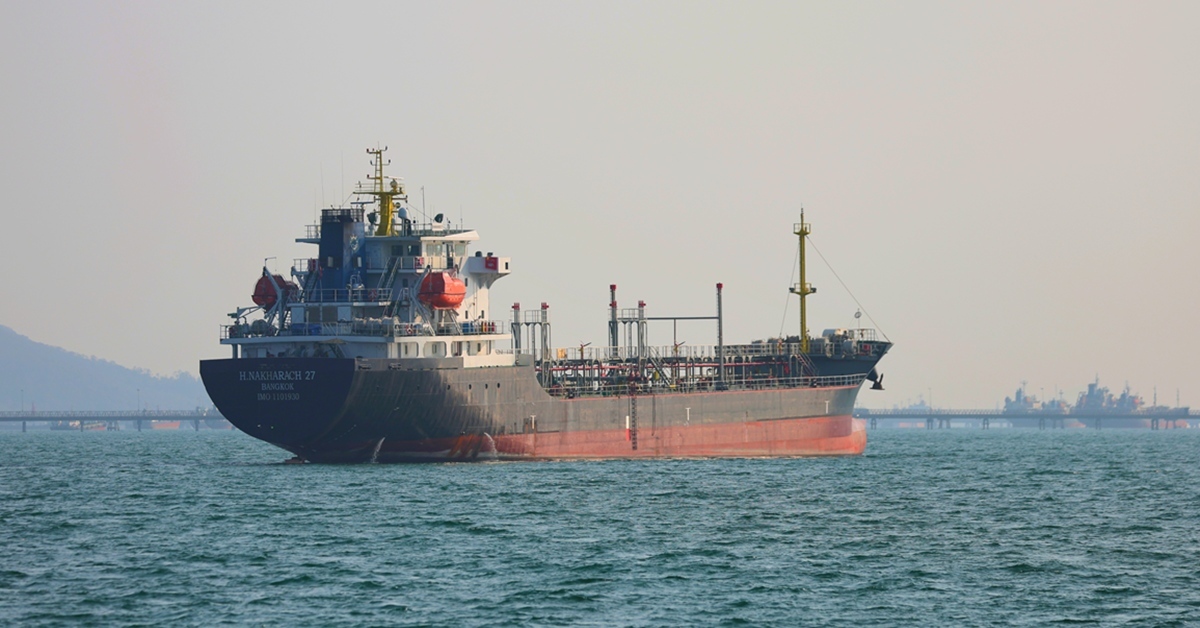
News that vessels linked to France and Japan navigated the effectively blocked Strait of Hormuz has focused international attention on 26 South Korean ships that remain stranded there.
On April 5, the Foreign Ministry and related authorities said 26 vessels operated by South Korean shipping firms have been isolated near the Strait of Hormuz for more than a month. About 130 crew members are aboard those ships; when South Koreans serving on foreign-flagged vessels are included, roughly 170 nationals are considered at risk.
The government says it has maintained close contact with the stranded vessels and is continuously monitoring food stocks and crew health. Officials report that most ships have been receiving essential supplies through port agents. Seoul has also kept communication channels open with neighboring port authorities to enable rapid resupply if any vessel runs short.
By contrast, vessels linked to France and Japan transited the Strait of Hormuz safely on April 3 and 4. On April 3, the Malta-flagged container ship CMA CGM Kribi, owned by a French carrier, used a safety corridor Iran established to exit the Gulf. Iran opened that route on March 13. This was the first passage by a Western Europe-related vessel since the strait was effectively closed.
On the same day, the Panama-flagged Sohar LNG, associated with Japan’s Mitsui, transited the strait. On April 4, the India-flagged Green Sanbi, owned by an Indian affiliate, also completed its passage.
Some critics have questioned whether the government lacks diplomatic leverage, but officials stress these transits were not the result of formal government intervention.
A government official told reporters on April 5 that each vessel faces different conditions depending on its flag state, operator, cargo owner and charterer. The official added that the Japan-linked vessel appears to have passed without Japanese government involvement.
The Asahi Shimbun quoted a Japanese government official saying the Sohar LNG was not bound for Japan as its final destination and that Tokyo did not negotiate its passage. On paper, the Japan-related vessels that transited were registered in Panama or India. The French vessel likewise passed after its individual operator agreed to Iran’s transit rules, not as the result of state-level negotiations.
Seoul has maintained back-channel contacts with Tehran to address transit issues but has been cautious about entering formal, direct talks with Iran.
Officials fear that formal negotiations could give Tehran leverage to demand excessive passage fees or to seek diplomatic endorsements in exchange for allowing transit.
At a March 26 press conference, Iran’s ambassador to South Korea, Saeed Kouzechi, said non-hostile countries like South Korea can arrange passage through prior coordination but warned that vessels trading with the United States could face restrictions.
The government insists the Strait of Hormuz is an international waterway open to all and is prioritizing multilateral consultations over bilateral talks with Iran. Seoul participated in a UK-led video conference on April 2 and attended a France-led meeting of military chiefs last month as part of that strategy.
After meeting with French President Emmanuel Macron on April 3, President Lee Jae-myung said in a joint press statement that the two leaders reaffirmed their commitment to cooperate to secure safe maritime routes in the Strait of Hormuz.
A Foreign Ministry official emphasized that the government places the highest priority on the safety of ships and crew and takes the concerns of shipping companies seriously. The official said Seoul is working with relevant countries to ensure, under international norms, the timely restoration of free and safe navigation for all vessels.
Your daily personal horoscope report! What will today bring?














Most Commented