
Pyeongtaek’s 2026 Vision: Strengthening Community Safety Amid Rapid Multicultural Growth
Daniel Kim Views
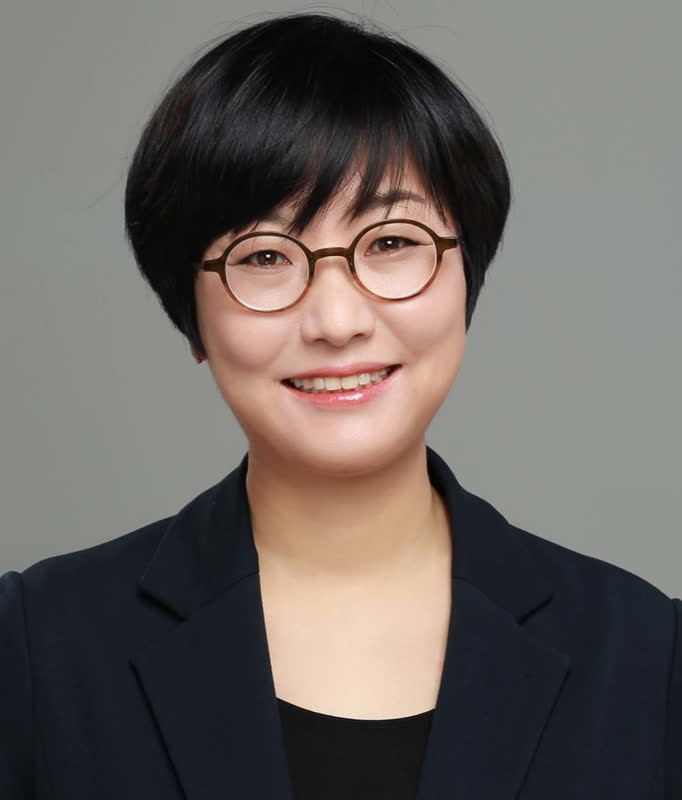
![[Photo=Choi Won-yong, Democratic Party of Korea Pyeongtaek mayoral primary candidate]](https://contents-cdn.viewus.co.kr/image/2026/04/CP-2023-0070/image-c41cc5e8-448f-45f4-a12e-7a2a48237cd0.png)
Choi Won-yong, the Democratic Party of Korea’s Pyeongtaek mayoral primary candidate, unveiled a policy platform centered on “safety and inclusion” to respond to Pyeongtaek’s rapid shift toward a more multicultural population.
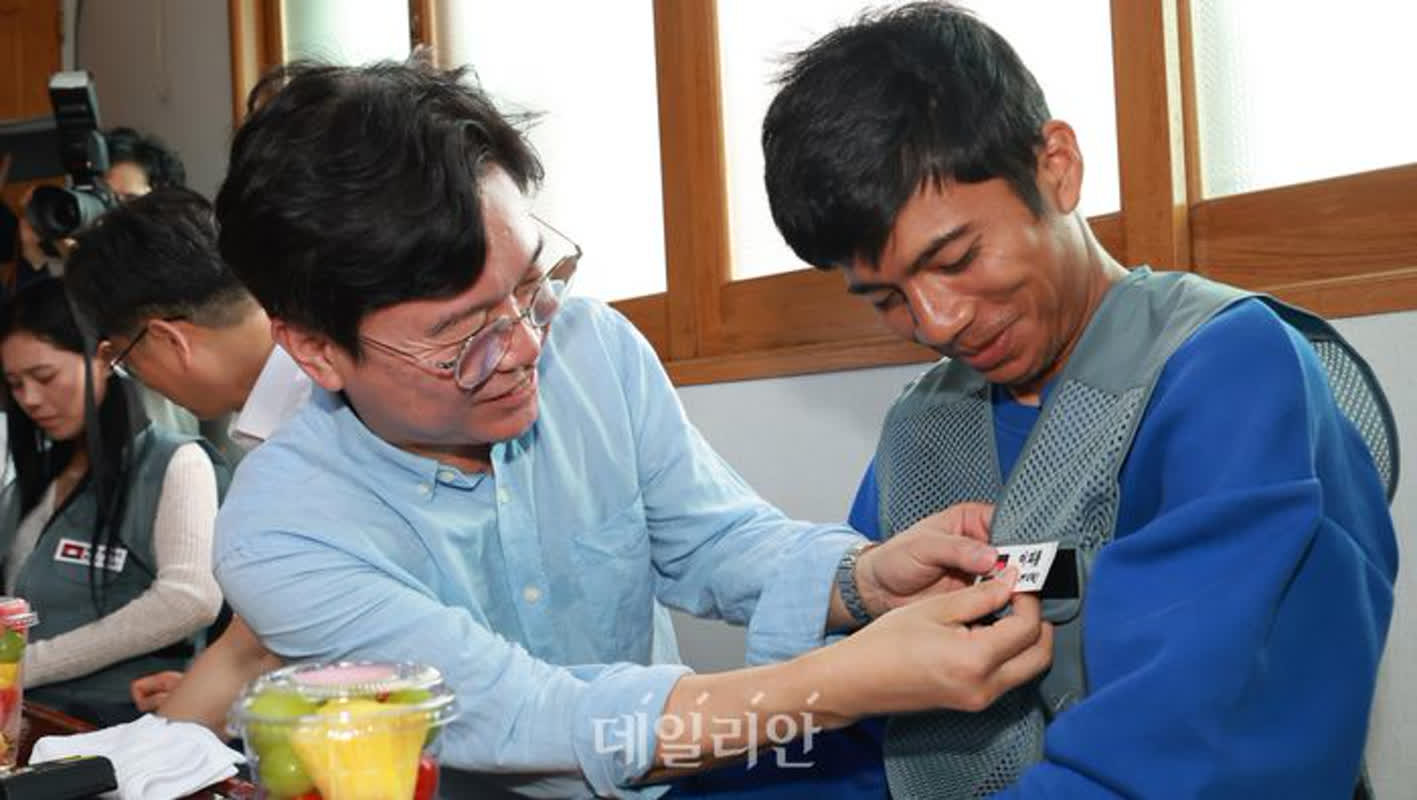
On April 1, Choi posted on his social media that he recently visited the Gyeonggi Southern Hana Center, met with North Korean defectors and listened to their concerns.
He noted that Pyeongtaek has roughly 43,000 foreign residents (as of 2022), more than 7% of the city’s population, and said the city must prepare both safety measures and inclusive policies.
Choi outlined three policy priorities. First, he pledged to strengthen public safety in neighborhoods with high concentrations of foreign residents so people will feel safer. He plans to expand visible police presence and other tangible safety measures to reduce local sources of unease.
He also proposed establishing a comprehensive resettlement support system to ensure North Korean defectors and foreign residents receive sustained assistance beyond the initial settlement period.
Choi would also introduce bilingual education and community conflict-mediation systems to ease tensions and build a foundation for coexistence. Still, some observers say that expanding multicultural policies and tightening security will require concrete implementation plans and secured funding to effectively resolve local conflicts and raise residents’ sense of safety.
Choi vowed, “A city that lives together is stronger than one that excludes,” and pledged to make Pyeongtaek warmer and safer.
Earlier, Choi addressed residents’ economic hardships and outlined his view of politics’ role and direction. On March 31, he wrote on social media that when he meets residents he often hears worries about fuel prices, running a business and the broader economy, and that people frequently tell him, “life is hard.”
“At times like this, I even feel guilty to simply greet people,” he wrote, adding that the situation has made him reflect on what politics should look like now.
Choi also weighed in on how endorsements are being handled in political circles. He said endorsements matter, but their form and sincerity matter more, arguing that support built through voluntary empathy and participation endures longer and carries more weight than burdensome or purely ceremonial gestures.
He reiterated the need for politics focused on livelihoods, saying, “What citizens need now is not appearances but real changes that improve lives.” He added that he will prioritize winning individuals’ trust rather than focusing on one-off events.
Local political observers see his message as emphasizing livelihood and empathy over flashy displays during the campaign, though they note that turning rhetoric into real policy and administrative results will depend on specific pledges and effective execution.
Choi currently serves as a special adviser to the leader of the Democratic Party of Korea. He previously led the Planning and Coordination Office at the Gyeonggi provincial government during Governor Lee Jae-myung’s administration and served as deputy mayor of Pyeongtaek.
![[Photo=Choi Won-yong, Pyeongtaek mayoral primary candidate]](https://contents-cdn.viewus.co.kr/image/2026/04/CP-2023-0070/image-f727643e-41b5-41d0-9b05-56201f7aa25b.png)








Most Commented