
Daejeon-Chungnam Administrative Integration: Who’s Really to Blame? A Deep Dive into Recent Political Tensions
Daniel Kim Views
Translation result.
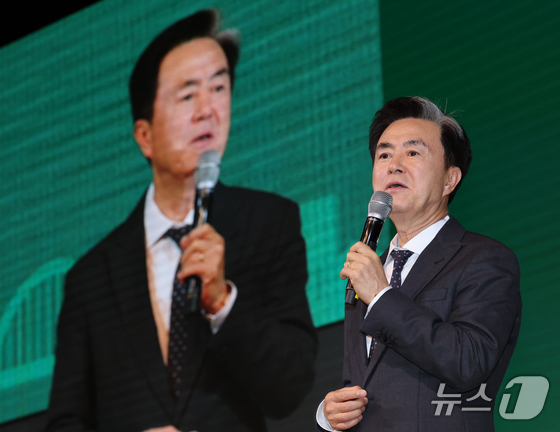
During a Q&A at the Chungnam Provincial Council’s interim session, Governor Kim Tae-heum clashed with a lawmaker over who was responsible for the collapse of the proposed administrative merger between Daejeon and Chungnam, and he immediately issued a rebuttal.
On March 25, Kim said he could not tolerate a Democratic Party lawmaker trying to shift responsibility for the failure of the Daejeon–Chungnam administrative merger and therefore felt compelled to respond.
He said the lawmaker accused the People Power Party and him of flip-flopping—supporting the merger initially and later opposing it. Kim insisted the merger failed not because of opposition from the People Power Party or himself, but because the Democratic Party did not pass the bill.
He argued that if the Democratic Party had the political will, it could have passed the Daejeon–Chungnam merger bill at any time, noting that the party has previously used its numerical majority to push through legislation it favored.
Kim added that the same Democratic lawmaker had fiercely opposed the merger until just a few months ago and then shifted to support it after a single comment from the president. Despite that turnaround, Democratic lawmakers staged a mass walkout from the plenary session, held a press conference and launched political attacks criticizing him.
He said an administrative merger that shapes the nation’s long-term future is not something to be bartered like goods in a market. Approaching the issue without legal grounds for transferring finances and authority and then trying to shift blame when it collapsed is unacceptable, he said.
Kim concluded that, as the architect of the Daejeon–Chungnam merger, he will continue working to realize administrative integration and local autonomy through concrete transfers of funding and authority.










Most Commented