
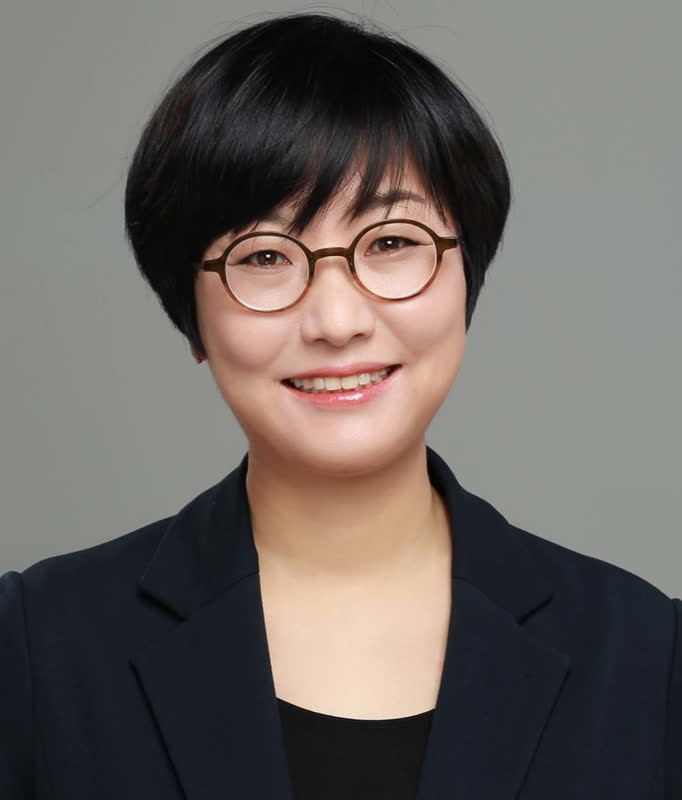
![Kim Ji‑mi, deputy special prosecutor of the 2nd Comprehensive Special Prosecutor’s Team led by Kwon Chang‑young, briefed on the investigation at the special prosecutor’s office in Gwacheon, Gyeonggi Province, on the 23rd. [Photo=Yonhap News]](https://contents-cdn.viewus.co.kr/image/2026/03/CP-2023-0070/image-7512d40e-9919-4b9e-bb64-769191985668.png)
According to legal sources on the 23rd, the special prosecutors dispatched teams to five locations that morning: the Supreme Prosecutors’ Office’s Policy Planning Division, Information and Communications Division, and Anti‑Corruption Division 2 in Seocho; Anti‑Corruption Investigation Division 2 at the Seoul Central District Prosecutors’ Office; and the Gongju branch chief’s office of the Daejeon Prosecutors’ Office. This is the first time since the special prosecutor’s office was formed that it has carried out coercive actions against both the Supreme Prosecutors’ Office and the Seoul Central District Prosecutors’ Office.
The search warrants cited charges including abuse of official authority and obstruction of the exercise of rights. No specific suspect was named; the individual was listed as unknown.
The investigation targets alleged preferential treatment of Kim Keon‑hee in the Deutsche Motors case. The central question is whether the prosecution’s leadership intervened or exerted outside pressure when deciding not to indict her. The special prosecutors appear to be collecting documents to reconstruct the chain‑of‑command instructions, decision‑making processes, and internal reporting systems from that period.
A key lead came from materials seized earlier by the Kim Keon‑hee special prosecutor’s team, led by Special Prosecutor Min Jung‑gi. That team reportedly found messages showing former Seoul Central chief Lee Chang‑su used the prosecution’s internal messenger to tell the case prosecutor, in effect, that there are many precedents that result in acquittal and to refer to them. Legal observers say this could be read as urging the field prosecutor to consider a no‑charge outcome.
Min’s team also found that investigative reports related to the decision not to prosecute Ms. Kim were revised dozens of times. Repeatedly altering official investigative reports after completion raises potential legal issues, including possible falsification of public documents.
After analyzing the materials it received from the previous probe, the comprehensive special prosecutors determined additional records were needed. They expanded the scope and timing of today’s searches and obtained court authorization for further seizures.
The Deutsche Motors controversy began when the Seoul Central District Prosecutors’ Office chose not to treat Ms. Kim as an accomplice and cleared her of charges under the Capital Markets Act. Prosecutors concluded she had entrusted account management to former Deutsche Motors chairman Kwon Oh‑soo and was unaware of the market‑manipulation scheme. The decision drew criticism when it emerged that she had not been summoned to the prosecutor’s office and had been questioned privately at a facility managed by the Presidential Security Service, fueling allegations of preferential treatment.
The prosecutors’ leadership also came under fire. Opposition parties, including the Democratic Party, filed impeachment motions against former Seoul Central leaders — former chief Lee Chang‑su, former 4th Deputy Cho Sang‑won, and former Anti‑Corruption Division 2 head Choi Jae‑hoon — accusing them of conducting an investigation that deferred to higher‑ups. The Constitutional Court, however, dismissed the impeachment, saying it was difficult to regard the case as an abuse of prosecutorial discretion.
Subsequently, Min’s team probed whether officials abused their authority or yielded to outside pressure in handling Ms. Kim’s case, simultaneously raiding the Supreme Prosecutors’ Office, the Seoul Central District Prosecutors’ Office, and the offices of former Justice Minister Park Seong‑jae, former Blue House civil affairs chief Kim Joo‑hyun, and former Prosecutor General Shim Woo‑jung. Investigators also found indications that in May 2024 Ms. Kim messaged former Minister Park to inquire about the status of her investigation. Facing time constraints and uncooperative witnesses, the special prosecutors ultimately transferred the case to the police without conducting in‑person interviews.
Special Prosecutor Kwon Chang‑young’s team is now focused on addressing the gaps left by the earlier probe. Kim Ji‑mi told reporters that reviewing materials seized from the Seoul Central District Prosecutors’ Office by the previous team revealed shortcomings and prompted additional action; she also noted that the time frame covered by the records they seek differs.
The comprehensive special prosecutors will concentrate on whether the prosecution’s leadership materially influenced the direction of the case and whether they abused their authority in the process. If the internal decision‑making and command‑line involvement emerge clearly, allegations that the Deutsche Motors probe was suppressed could enter a new phase.









Most Commented