
South Korea’s New Criminal Justice Reform: What the New ‘중수청법’ Means for the Future
Daniel Kim Views
Translation result
166 Votes in Favor as People Power Party Abstains — Law Establishes Legal Basis to Separate Investigation and Prosecution
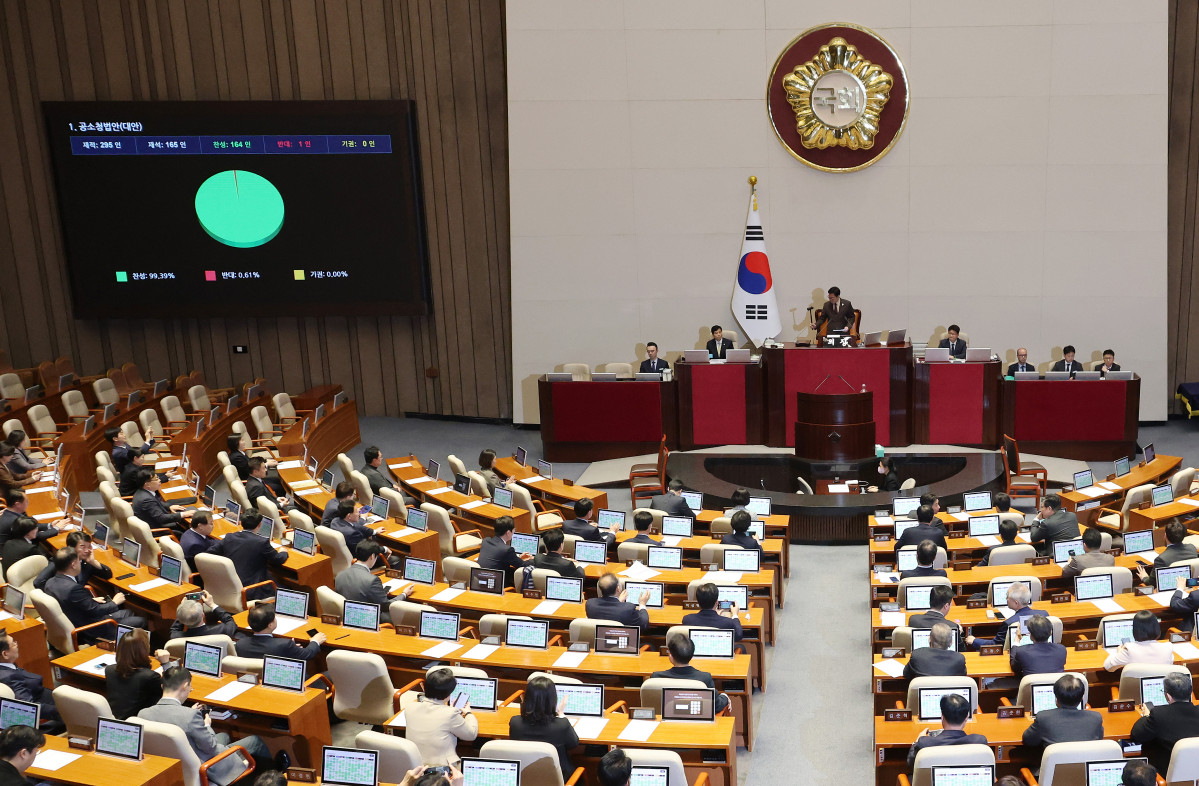
On March 21, the National Assembly passed the so-called Serious Crime Investigation Office Act, establishing the Serious Crime Investigation Office (SCIO). The Prosecutors’ Office is set to be phased out, and the country will begin implementing a criminal justice system that formally separates investigative and prosecutorial functions.
The bill was approved after the People Power Party’s 24‑hour filibuster ended, with the Democratic Party and its coalition partners leading the effort. Of 295 total lawmakers, 167 were present; 166 voted in favor and one voted against. The People Power Party did not take part in the vote.
Under the law, the SCIO will be placed under the Ministry of the Interior and Safety and will investigate six categories of major crimes: internal and external security offenses, corruption, economic crimes, defense industry-related offenses, narcotics, and cybercrime. The director must have at least 15 years of experience in investigative or legal work; the requirement that the director be a licensed attorney has been removed.
The SCIO will staff investigators ranked 1 through 9 and may create regional offices. Investigators will be classified as special public servants within a single-rank system. While open recruitment is the default, the law allows for experienced hires to ensure the agency has necessary expertise.
The government’s original draft required the SCIO to notify the Prosecution Agency when it opened an investigation, but the Democratic Party removed that clause after consultations between the party and the government.
With passage of the bill, the Democratic Party has completed the second phase of its prosecution reform agenda this year, covering both the Prosecution Agency and the SCIO. Democratic Party leader Jeong Cheong-rae has said the next phase will focus on strengthening crime-response capabilities and improving protections for victims.
The People Power Party strongly opposed the measure, calling it “a demolition of the prosecution and the worst kind of rollback,” but lacking the votes, it failed to block the bill.
The Democratic Party said it will pursue follow-up legislation after the June local elections, including amendments to the Criminal Procedure Act.














Most Commented