
Korea’s Major Prosecutorial Reform: What Does the New Middle Crime Investigation Agency Mean for Justice?
Daniel Kim Views
Translation result.
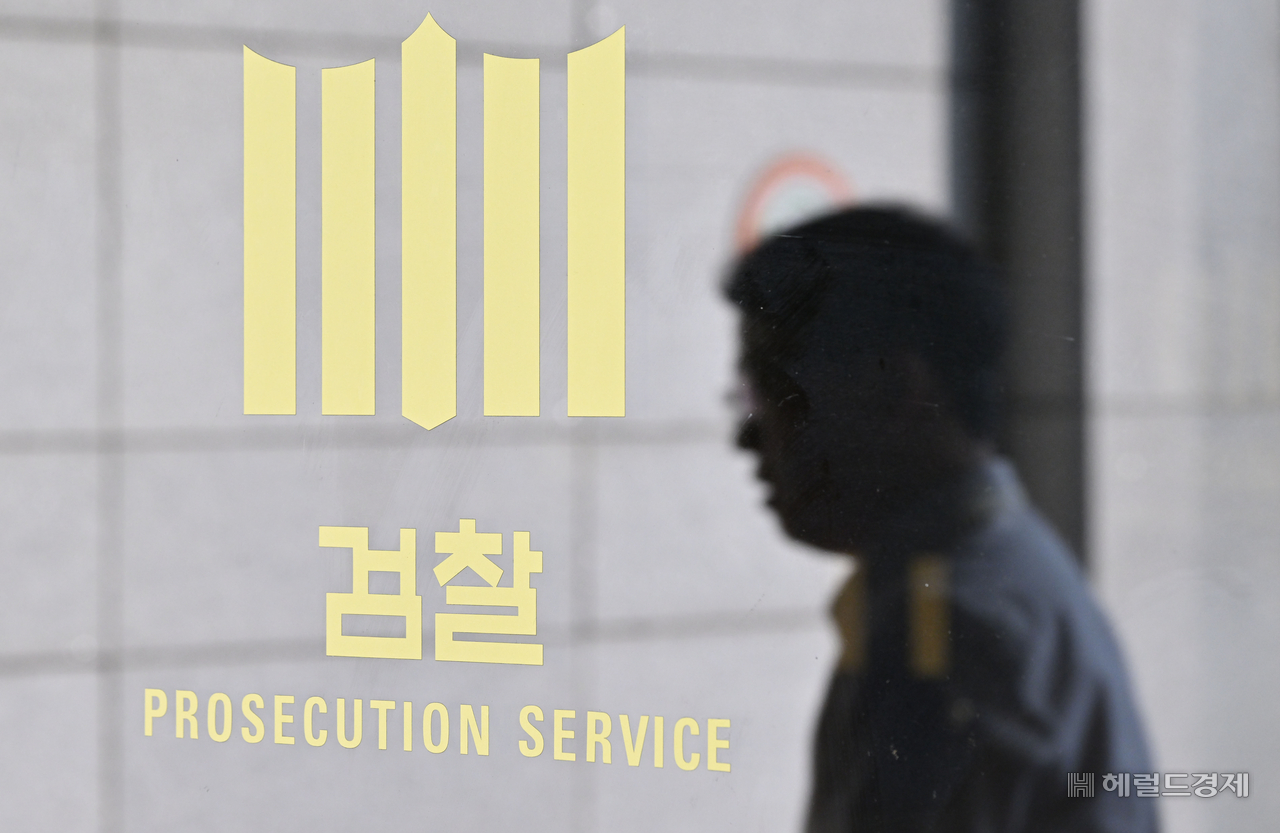
[Herald Economy — Reporter Hong Seung-hee] With the National Assembly passing the bill on the 21st to establish the Serious Crime Investigation Office (SCIO), following approval of the Public Prosecution Service Act, prosecutorial reform that separates investigation from prosecution has effectively entered its final phase.
After approving the Public Prosecution Service Act the day before, the Assembly passed the SCIO bill on the 21st. Under the new framework, prosecutors at the Public Prosecution Service will lose their investigative authority and will be limited to initiating and maintaining prosecutions.
The SCIO Act places the SCIO under the Ministry of the Interior and Safety and assigns it responsibility for investigating six major categories of crime: ▷ corruption ▷ economic crimes ▷ defense-industry-related offenses ▷ drug crimes ▷ insurrection and foreign-related offenses ▷ cybercrime. The law also covers so-called law-distortion offenses and crimes committed in office by personnel of the Public Prosecution Service, the police, the Corruption Investigation Office for High-ranking Officials (CIO), and court officials.
With the Public Prosecution Service and SCIO laws scheduled to take effect in October, the Prosecutor’s Office will officially close. This marks the end of the Office 78 years after the 1948 Prosecutor’s Office Act established it at the founding of the government.
Historically, prosecutors exercised both investigative and prosecutorial powers and led high-profile probes targeting senior officials, business leaders, and former presidents.
These special investigations, promoted as efforts to “eradicate great evils,” exposed power-driven corruption and shaped modern Korean history. Major examples include the Roh Tae Woo slush-fund case, probes into illegal campaign financing, the Hyundai Motor slush-fund scandal, and investigations into the Grand National Party’s campaign funds.
Nevertheless, prosecutors faced persistent criticism for being slow to pursue investigations into the “living” centers of power, and their political neutrality was repeatedly questioned. Accusations of targeted and excessive probes led critics to label them “political prosecutors” or “servants of power.”
Debate over prosecutorial reform gained traction under the Roh Moo-hyun administration, and institutional changes followed each subsequent change of government. Calls for reform intensified after former President Roh’s death during the 2009 investigation into the Park Yeon-cha case.
Under the Moon Jae-in administration, the 2021 reallocation of investigative authority between police and prosecutors narrowed prosecutors’ direct investigative scope. During the Yoon Suk Yeol administration, Justice Minister Han Dong-hoon revised an enforcement decree—referred to as “restoring prosecutors’ original investigative powers”—which returned some investigative authority to prosecutors.
However, criticism grew that prosecutors hesitated in the probe involving former President Yoon’s wife, Kim Keon Hee, prompting the Democratic Party to renew calls for reform.
After President Lee Jae-myung took office, the government and the Democratic Party aggressively advanced reform measures. Bills to abolish the Prosecutor’s Office and establish the Public Prosecution Service and the SCIO were passed in succession.
Those laws effectively block prosecutors’ ability to investigate, cementing the principle of separating investigation from prosecution.
Looking ahead, the central dispute in prosecutorial reform is likely to focus on whether prosecutors will retain a supplementary investigative authority. Within legal and policy circles, this issue is seen as the reform’s final, crucial element.
Article 197-2 of the current Criminal Procedure Act allows a prosecutor to request a supplementary investigation when necessary to decide whether to bring or maintain a prosecution in a referred case, or when deciding whether to seek a warrant requested by judicial police officers.
The Democratic Party did not include supplementary investigative authority in the recent legislation. Discussions on the issue have been deferred until after the June 3 local elections. Some observers say that, given how the Public Prosecution Service and SCIO laws effectively eliminate prosecutors’ investigative powers, maintaining supplementary investigative authority will be difficult.










Most Commented