
Major Overhaul: South Korea’s Prosecutor General Title to Change as New Public Prosecution Bill Passes
Daniel Kim Views
The bill to establish a Public Prosecution Office, advanced as a symbolic move in prosecutorial reform, is nearing passage in the National Assembly. The title long known as “chief prosecutor”—once celebrated as the prosecution’s “star”—is set to vanish from the system. The constitutionally enshrined title “Prosecutor General,” however, will remain unchanged after challenges over its constitutionality.
On March 19, the National Assembly’s legislative information system showed the Democratic Party–led bill would reorganize the existing High Prosecutors’ Office into a Metropolitan Public Prosecution Office and convert local prosecutors’ offices into Local Public Prosecution Offices. Accordingly, the heads of those agencies—the chiefs of the High Prosecutors’ Office and the district chiefs—would be retitled Metropolitan Public Prosecution Office Chief and Local Public Prosecution Office Chief, respectively.
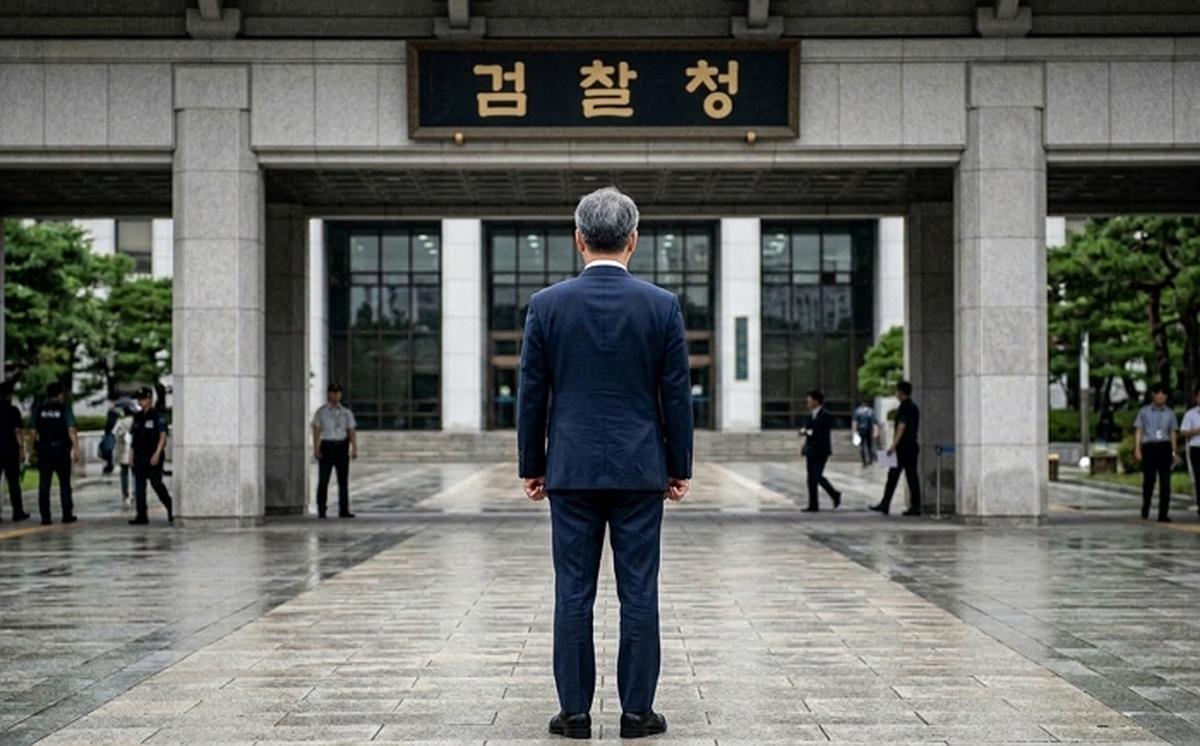
The era of the “chief prosecutor,” which has prevailed since the prosecution service launched in 1948, will effectively end after roughly 70 years. The reorganization separates investigation from prosecution: investigative authority would transfer to a Central Investigation Office under the Ministry of the Interior and Safety, while the Public Prosecution Office would focus solely on indictments and maintaining prosecutions.
Hardliners in the Democratic Party initially pushed to adopt the title “Public Prosecution Office Chief” for agency heads, but they ultimately conceded to preserve the title “Prosecutor General.”
Legislators accepted concerns that changing the name could be unconstitutional because Article 89 of the Constitution explicitly names the Prosecutor General. President Lee Jae-myung reportedly drew a firm line as well, saying, “There is no reason to insist on changing a title that could raise constitutional controversy.”
Still, opinions within the ruling party show subtle differences. Democratic Party leader Jeong Cheong-rae recently told his YouTube audience, “We can just call them Public Prosecution Office chiefs,” signaling his attachment to the new nomenclature. Some critics in political circles questioned whether it was appropriate for the party leader to trivialize an issue that the president had settled.
If the bill clears the plenary session as soon as March 20, the prosecution will undergo sweeping change. The long-standing “chief prosecutor” designation—associated with deputy minister–level status and broad authority—will disappear and be replaced by the unfamiliar “Public Prosecution Office Chief,” leaving officials to decide what shorthand to adopt going forward.











Most Commented