
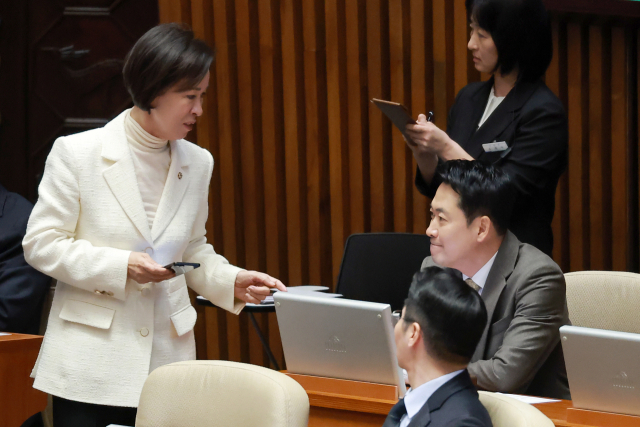
As the People Power Party refuses to back down on installing a parachuted candidate for the Daegu mayoral nomination without consulting local residents, calls are growing to correct the party’s disregard and mistreatment of the region. Observers say locals—who have long cast reflexive votes for conservative candidates—are increasingly likely to vote on their own terms rather than follow the party line.
A review of past national elections shows Honam (the Jeolla provinces in southwestern Korea), long considered a progressive stronghold, has actively sought parties that promise regional development. In the 2016 general election, voters in Honam favored the People’s Party over the Democratic Party, and in the 2024 general election they sent a warning to the Democrats by using the so-called “Ji-Min-Bi-Jo” tactic—voting Democratic in district races and for the National Innovation Party on proportional ballots.
By contrast, Daegu–Gyeongbuk (TK) has on occasion ceded seats to the Democratic Party, but the prevailing trend has been overwhelming support for conservative parties. That created a deep-seated perception within the People Power Party that “whoever we nominate in TK will win,” a mindset that helped produce the current controversy over the Daegu mayoral nomination.
Residents find themselves unable even to elect a mayor who could revive a stagnating city, and rumors that the party is preselecting a specific candidate have spread as if fact, transforming local frustration into anger at the People Power Party. With former Prime Minister Kim Boo-kyum reportedly preparing to run as the Democratic Party’s Daegu mayoral contender, many say they will vote Democratic this time to make clear they will not act as the party’s rubber stamp.
There is also a growing reassessment of whether the People Power Party has effectively addressed local problems. Critics point to party leaders—including Jang Dong-hyuk—for being tepid on the issue of TK administrative integration despite unified local political opinion and residents’ clear demands.
“Weren’t the party leaders the ones who publicly said they supported TK integration while opposing it behind closed doors?” a Daegu resident asked. “Have they treated their stronghold’s long-standing aspirations as nothing more than political tools? Unlike provinces, metropolitan cities confer a very different set of powers and responsibilities on the mayor. Nominating a parachute candidate ignores the region’s bleak reality and its hopes for future development.”
A current head of a Daegu local government office said, “Many district residents say they will vote for Kim Boo-kyum if he runs,” adding that people are voicing a determination to end their one-sided loyalty to the People Power Party—an outcome that worries local officials.
Despite this mood, Nomination Committee Chair Lee Jung-hyun has maintained a unilateral stance that appears to disregard local opinion. On the 19th, Lee wrote on Facebook, “Nominations should be decided by the standards the times demand, not by individuals. You could embarrass yourself by jumping to conclusions before seeing the results,” remarks that again struck many as out of step with local sentiment.











Most Commented