
Navigating Non-Tariff Barriers: Essential Insights for Korean Businesses Facing US Trade Pressures
Daniel Kim Views
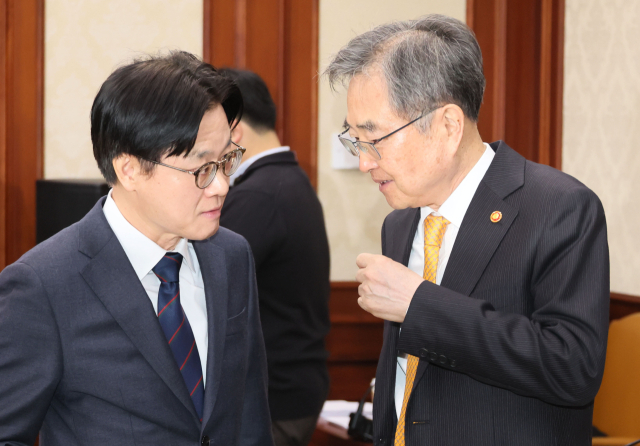
The U.S. government’s strong demands to resolve ‘non-tariff barriers’ have put the South Korean government in a challenging position. Even if the National Assembly passes the special investment law for the U.S., America could still impose tariffs if these barriers remain unaddressed.
Key issues surrounding non-tariff barriers, such as agricultural imports and digital regulations, are complex and require coordination both domestically and with the U.S., making negotiations difficult. The South Korean government plans to initiate discussions with the U.S. on these non-tariff barrier issues.
◆ Could non-tariff barriers lead to tariff increases?
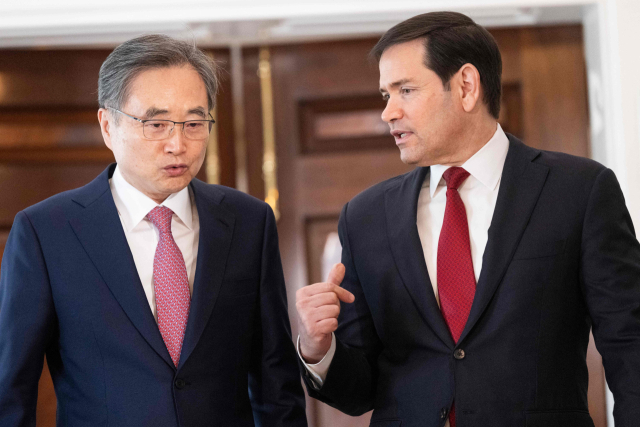
On February 9, Foreign Minister Cho Hyun stated during a National Assembly inquiry that the U.S. intends to raise tariffs on South Korea to improve its trade deficit if negotiations on non-tariff barriers do not progress. Minister Cho reported that U.S. Trade Representative Katherine Tai made this statement on February 4.
This contradicts remarks made by Trade Minister Kim Dong-yeon, who suggested that the U.S. might delay tariff increases if the special investment law passes in March. Minister Cho noted that Tai requested improvements in non-tariff barriers alongside investment proposals, highlighting that progress on investment agreements has been slow and that discussions on non-tariff issues have not been fruitful.
Minister Cho conveyed that Tai stated the U.S. would raise tariffs “without emotion” if there were no advancements in these matters, emphasizing that the U.S. demands resolution of both the special investment law and non-tariff barriers from South Korea. The non-tariff barriers raised by the U.S. include issues related to ▷trade of rice and other food and agricultural products ▷online platform regulations ▷disputes over intellectual property rights in the nuclear sector.
Particularly contentious are ▷the legislative efforts to regulate unfair practices by large domestic and international platforms ▷the proposed amendment to the Information and Communications Network Act concerning the regulation of illegal information (known as the False Information Eradication Act) ▷significant differences in opinions regarding network usage fees and the export of high-precision maps.
◆ Difficulties in coordinating agenda items
Each issue requires technical agreements on detailed content, making it challenging to reach mutually satisfactory outcomes. Moreover, agricultural issues are sensitive for citizens in both countries. The South Korean government previously stated that there would be no further negotiations on agricultural products following agreements between the leaders. However, the U.S. government maintains that additional openings for rice and beef were promised during these discussions, revealing a divergence in positions.
Last November, the two countries produced a joint fact sheet following the leaders’ agreement, which appears unfavorable to South Korea. It states that South Korea will cooperate with the U.S. to discuss non-tariff barriers affecting food and agricultural product trade.
Based on this, the U.S. is pressuring for resolution of non-tariff barriers. In December, both countries agreed to hold a joint committee meeting on their free trade agreement (FTA) to discuss these barriers, but delays in coordinating the agenda among working-level officials have postponed the meeting. On February 11, both sides plan to share their views on non-tariff issues through high-level talks in Seoul.
Prime Minister Kim Min-seok expressed a somewhat optimistic outlook on the negotiations. During a government inquiry, he stated, “We do not see any circumstances that would lead us to change our existing judgment regarding the non-tariff barrier issue.”
He added that the direct reason for the renewed pressure to raise tariffs stems from legislative delays raised by President Trump, noting that delays in decisions on investment projects and fund contributions are “nearly 100% reported.” He believes that resolving the special investment law will alleviate concerns about U.S. tariff imposition, regardless of the non-tariff barrier issues.













Most Commented