
2026 Prosecution Shift: How 42.5% of Junior Prosecutors Could Affect Justice in Korea
Daniel Kim Views
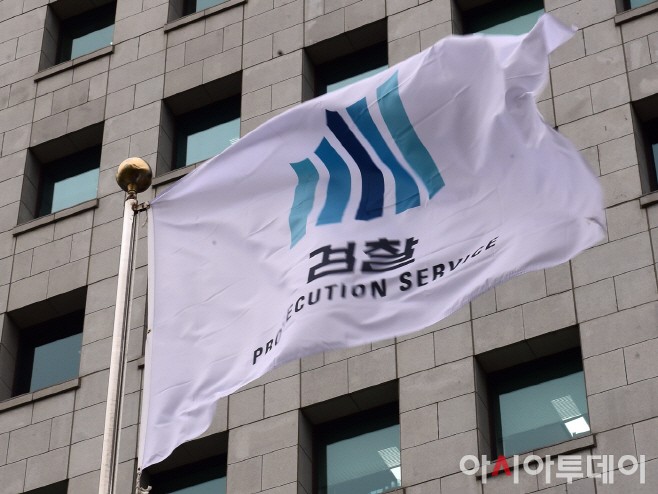 |
On October 2, the prosecution faces a critical staffing imbalance as it prepares for its dissolution and transition into the Public Prosecution Service and the Serious Crimes Investigation Agency. The mass exodus of prosecutors, triggered by opposition to prosecutorial reforms and perceived demotions, has left a void of experienced mid-level prosecutors. This gap is increasingly being filled by less seasoned junior prosecutors.
The crux of the issue lies in the fact that these relatively inexperienced prosecutors will soon form the backbone of the new Public Prosecution Service and Serious Crimes Investigation Agency. Experts caution that the absence of mid-level prosecutors with substantial investigative experience and expertise could jeopardize the smooth establishment of the new criminal justice system.
According to data obtained by Asia Today from the Ministry of Justice, as of February 4, 2026, 543 out of 1,256 general prosecutors have less than five years of experience. This represents 42.5% of all general prosecutors, meaning that four out of ten prosecutors are relatively new to the field.
Analysts attribute this staffing structure to the recent wave of resignations among mid-level prosecutors. Last year, following the passage of the bill to dissolve the prosecutor’s office in the National Assembly, a record-breaking 175 prosecutors left their positions – the highest number of resignations in the past five years. Of these, 136 prosecutors (77.7%) had over 11 years of experience, indicating that the majority of departures came from the mid-level ranks.
As the proportion of junior prosecutors with less than five years of experience approaches half of the total number of general prosecutors, the disparity in investigative experience among prosecutors continues to widen. There are concerns that if this staffing structure becomes entrenched, it could undermine the overall stability of the organization. Critics argue that this inexperience may become particularly evident in complex cases that require strategic direction, legal acumen, and coordinated investigative efforts. Furthermore, there are apprehensions that these structural issues may persist even after the establishment of the Public Prosecution Service and Serious Crimes Investigation Agency.
A spokesperson for the Supreme Prosecutors’ Office stated, “We are actively exploring various measures to maintain and enhance the capabilities that the prosecution has developed over time. These include improvements to the work environment, related systems, and the implementation of objective and rational personnel management practices.”













Most Commented