
2023 Public Institution Relocation: What Will the New Guidelines Mean for Your Region?
Daniel Kim Views
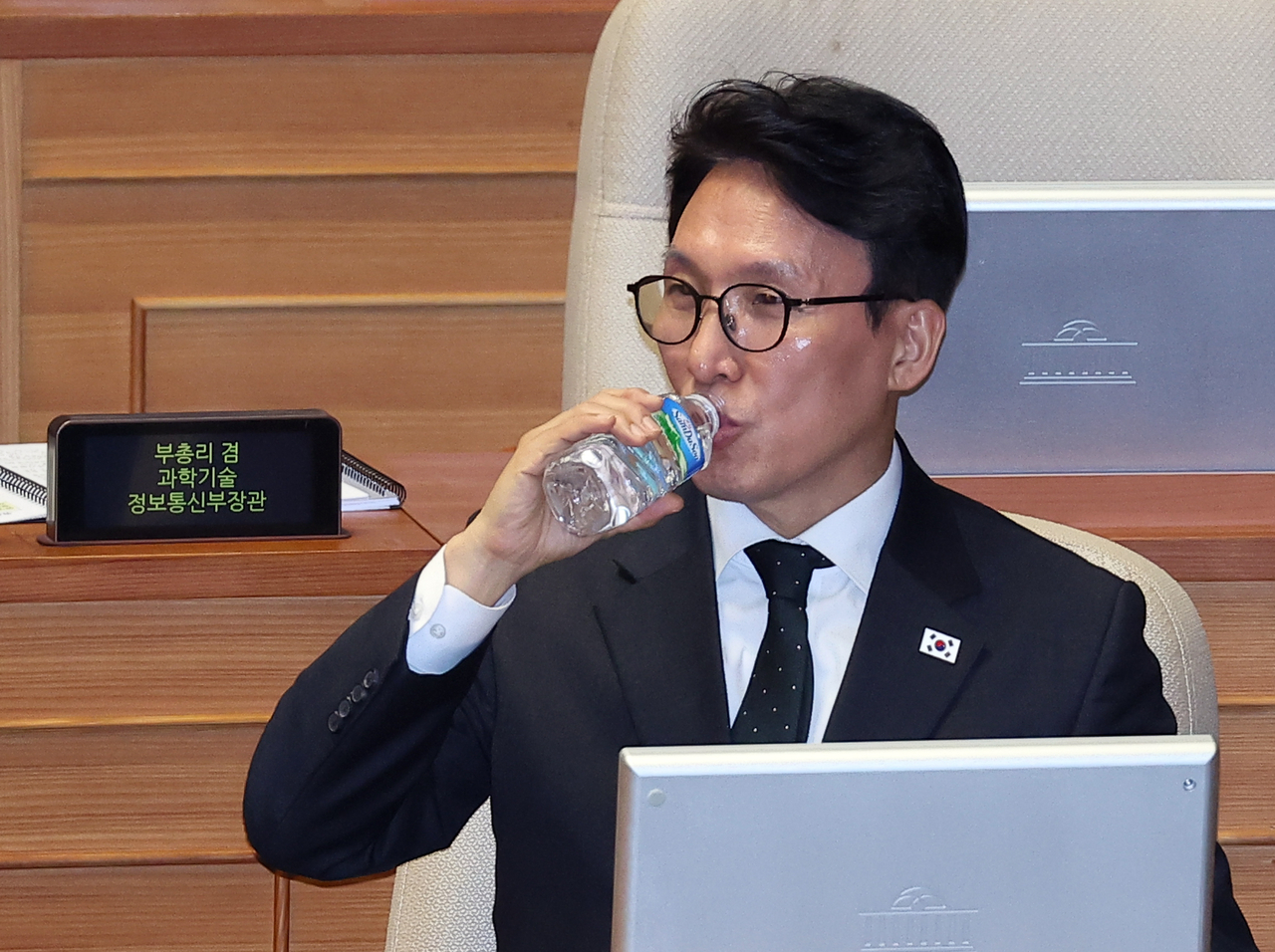
[Herald Economy = Jeong Ho-won] Prime Minister Kim Min-seok announced on February 10th regarding the second phase of public institution relocations, “In the first half of this year, we will establish principles and refine the details. Actual decisions will be made starting in the second half.”
During a parliamentary Q&A session, Prime Minister Kim responded to Democratic Party Rep. Jang Cheol-min’s inquiry about prioritizing integrated metropolitan areas for public institution relocations. “We will prioritize integrated regions,” Kim stated, adding, “While considering regional relevance, it would be more beneficial to enhance concentration rather than scatter the institutions.” He also projected that the Prime Minister’s Office would play a significant role in the relocation process.
Kim expressed both deep concern and optimism about the ongoing discussions on administrative integration in the Chungcheong region. Addressing Rep. Jang’s concerns about Daejeon and Chungnam potentially being excluded from the integration, Kim cautioned, “It would be disappointing if Daejeon and Chungnam, where these discussions originated, were left out. If Daegu-Gyeongbuk and Gwangju-Jeonnam opt for integration while Daejeon and Chungnam do not, the consequences four years from now will be evident.”
The Prime Minister dismissed claims of potential discrimination resulting from integration. He argued, “Assertions that undermine government support may arise from conflicts between public interest and private gain,” emphasizing that “Such attitudes could prove detrimental to residents in the long term.” Kim also expressed support for establishing the ‘Chungcheong Region Industrial Investment Corporation’, stating it “merits thorough consideration.”
Regarding the ‘New Land Disclosure Concept’ laws proposed by Justice and Innovation Party Rep. Cha Kyu-geun, Kim adopted a cautious stance. He remarked, “The land disclosure concept could be viewed as a viable approach on one hand, but might also be perceived as a policy already deemed unconstitutional.” Kim added, “Provided there’s no ruling of unconstitutionality or constitutional incompatibility, we should focus on presenting practical policies and legal frameworks that benefit the public, and engage in constructive policy debates.”












Most Commented