
Remembering Jerry K: The Legacy of a Korean Hip-Hop Pioneer Who Fought Brain Cancer
Daniel Kim Views
Translation result.
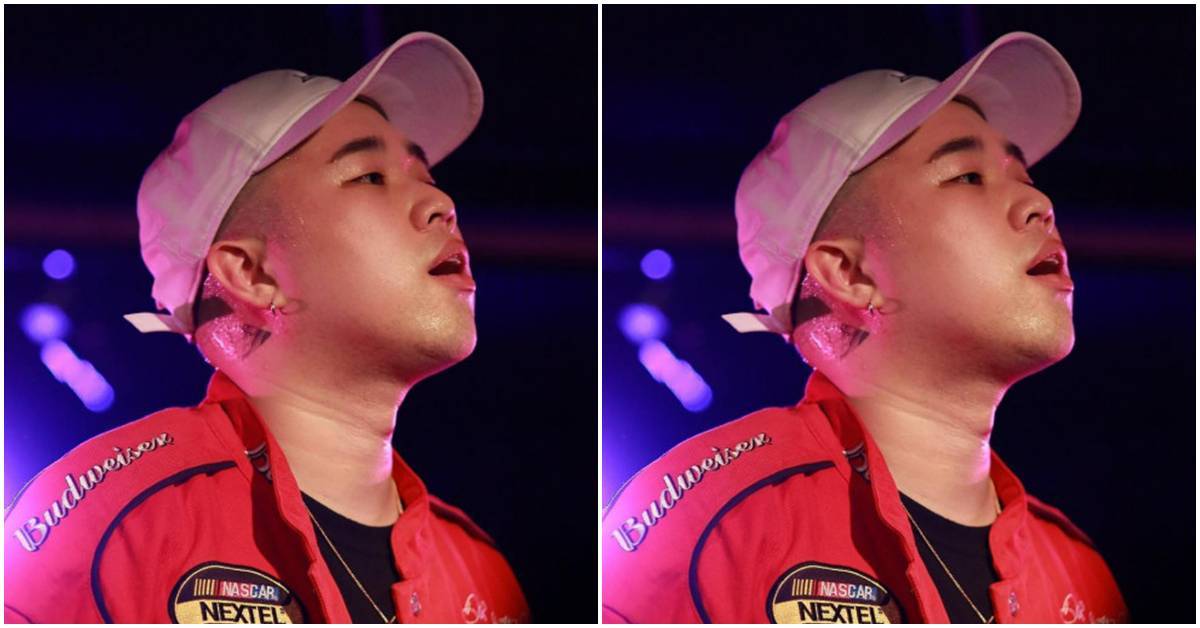
Rapper Jerry.K, born Kim Jin-il, died at 42 after a battle with a malignant brain tumor.
A funeral service is scheduled for 9:20 a.m. on the 29th at Yonsei University’s Sinchon Funeral Hall in Seodaemun-gu, Seoul. He will be laid to rest at Gonggam Arboretum. He passed away on the 27th after a fight with a brain tumor.
In May 2024, Jerry.K disclosed his diagnosis on social media. “I was suddenly diagnosed with a brain tumor, I had surgery, and I’m recovering,” he wrote. “I don’t yet know what all this means, but I hope I can get even a little better.” That post became his final public message.
Despite treatment, he ultimately died, and news of his passing prompted an outpouring of tributes from musicians and fans. Music critic Kang Il-kwon wrote on social media, “I knew he had been battling a brain tumor, but the suddenness of this still hits hard. I feel strange. May he rest in peace.”
Justice Party leader Kwon Young-guk also paid tribute, calling Jerry.K “a musician who always sang about the world with sharp, exceptional sensibility” and describing him as “a comrade who spoke about labor, equality and justice.” “His music will remain for a long time as a compass pointing toward justice and equality,” Kwon said, honoring the artist’s work and message.
Online users expressed condolences as well, posting comments such as “May he rest in peace,” “Rest comfortably,” and “May you find peace there.”
Born in 1984, Jerry.K was a graduate of Seoul National University’s Department of Communication and Information. He began his music career in 2001 when he recorded the track “Seongyeok” under the name Jerry.K for a Milrim.com hip-hop compilation, and he officially debuted in 2004 as part of the two-man hip-hop group Loquence.
He balanced work with Loquence and a solo career, leaving a distinct mark on Korea’s hip-hop scene. Critics noted his sharp lyrics that addressed problems in the music industry and broader social realities. His 2008 studio album Ma-wang made a significant impact with its polished sound and blunt social critique, and it is still considered one of Korean hip-hop’s landmark records.
After Ma-wang, he briefly left the music world to work at Hyundai Card, but he returned to music in 2011. He later founded the independent label Days Are Alive and continued creating, maintaining a critical eye on social issues and a steady focus on labor and inequality.
His third studio album, Reality, Enemy, was nominated for Best Rap/Hip-Hop Album at the 12th Korean Music Awards, and the title track “Call Center (feat. Woohyo)” from his fourth album was nominated for Best Rap/Hip-Hop Song at the 14th Korean Music Awards. In 2020, he released his fifth studio album, HOME, which reflected themes of recovery and everyday calm.
Known for his razor-sharp lyrics, Jerry.K chronicled his era. Though he has died, his music and message will remain a lasting presence in Korea’s hip-hop scene for years to come.










Most Commented