
Translation result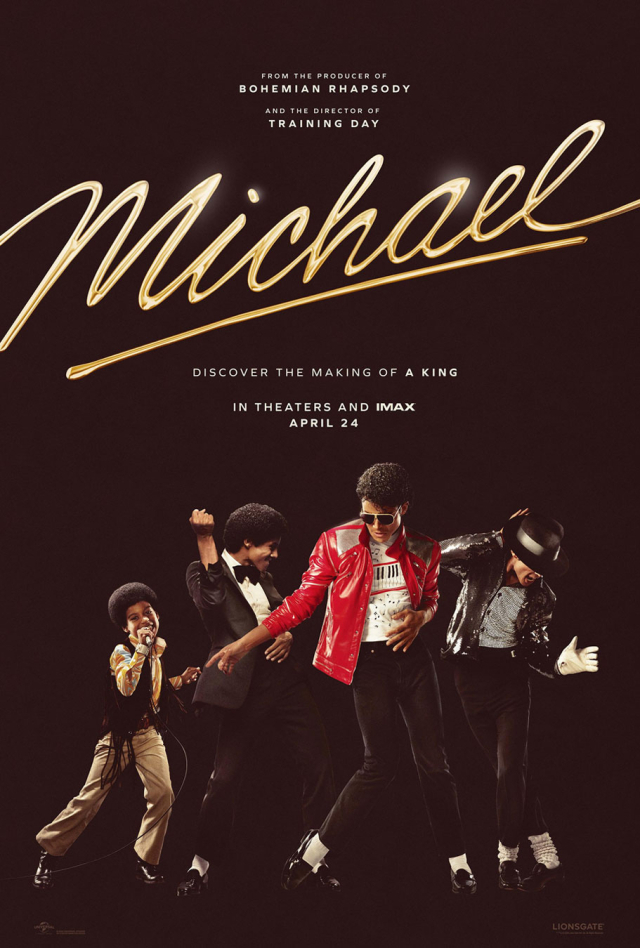
The Hollywood biopic Michael, chronicling the life of Michael Jackson (1958–2009) — one of the most iconic figures in popular music since the global consolidation of culture in the 20th century — opens May 13.
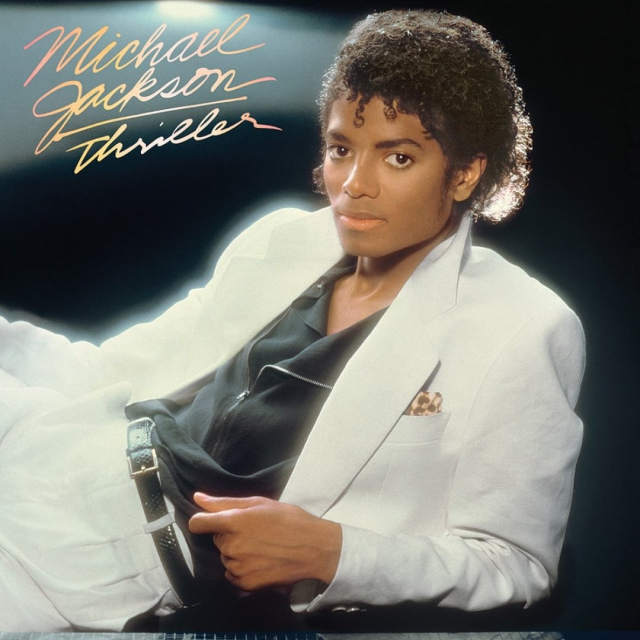
But the film’s poster borrows the cover design from Jackson’s sixth album, Thriller (1982). The black background and gleaming gold lettering evoke the moment he transcended the dismissals he faced as a Black artist and rose to become pop’s king and a cultural revolutionary.
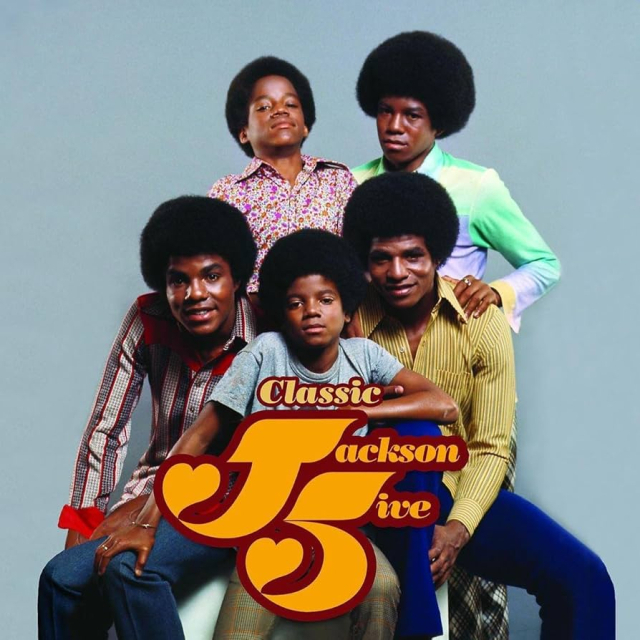
Michael Jackson first drew notice as the standout singer and dancer in the family group the Jackson Five (later the Jacksons). Capitalizing on that star power, he launched a solo career as a teenager, releasing four albums before teaming up as an adult with producer Quincy Jones to make his fifth album, Off the Wall (1979). Off the Wall was a commercial success and is still regarded as one of the finest disco records. Yet despite the album’s title — suggesting a breaking of barriers — Jackson and Jones had not yet fully realized their ambition to reshape pop music.
◆ Breaking musical boundaries and ushering in the age of dance
After three years of painstaking work, they released Thriller, and the song “Beat It” finally delivered the Off the Wall vision. It was Jackson’s first major fusion of rock with his sound, highlighted by a blistering guitar solo from Eddie Van Halen — a moment often cited as a milestone in crossovers between Black and white musical traditions. The lyrics pushed back against racial prejudice and violence, and the music video staged a Los Angeles story in which rival gang members appear and Jackson mediates through dance and performance.
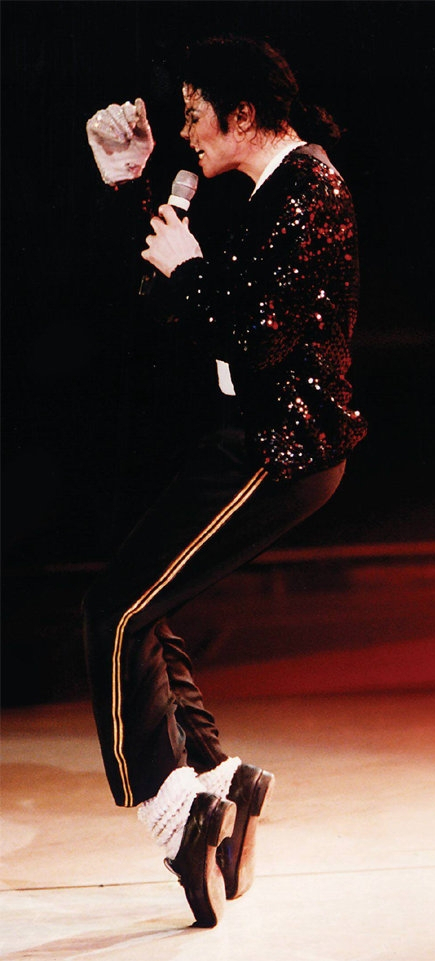
“Billie Jean” helped usher in a new era in pop dance. With the moonwalk — the move that became his signature — Jackson elevated dance from accompaniment to a central performance element equal to the music itself. As MTV turned music into a visual medium, Jackson helped define a new format for popular music.
That influence also laid groundwork for K-pop, where elaborate choreography is essential. While the Beatles were the first global pop idols, Jackson systematized many of the details of the idol business and exported that model worldwide. Jackson wrote and composed “Billie Jean”; in many ways the song is quintessentially him.
◆ The best-selling album in history
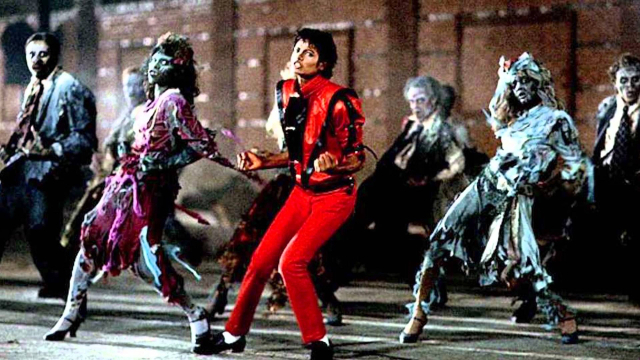
The title track “Thriller” helped elevate the music video into a new art form. Although it was the album’s title song, promotion didn’t ramp up until nearly a year later, when marketers proposed a cinematic, short-film–length video to capture attention. CBS balked at the production cost, so MTV and other video industry players stepped in to fund the project.
Jackson played a werewolf and led a zombie dance in the 13-minute video, which MTV premiered on Dec. 3, 1983. The clip was a phenomenon, and it pushed Thriller back to the top of the charts a year after the album’s release. In the decades since, music videos have become essential to pop music and are often considered as influential as the songs themselves.
Even looking at just these three tracks shows how singular Jackson’s influence and visionary instincts were — all concentrated on a single album. Estimated sales for Thriller range from about 70 million to more than 100 million copies, making it the best-selling album in history — a record few expect will ever be broken.
After witnessing how Thriller marked a clear turning point in popular music, Time summarized Jackson’s influence in 1984: “A star of records, radio and music videos. The man who rescued the music business. A songwriter who set the rhythm for the next decade. The dancer with the flashiest footwork on the street. A singer who breaks down every boundary — taste, style, even race. Michael Jackson, 25.”














Most Commented