
How a 13-Year-Old Composer is Revolutionizing Classical Music: The Story of Appassiona Trio
Daniel Kim Views
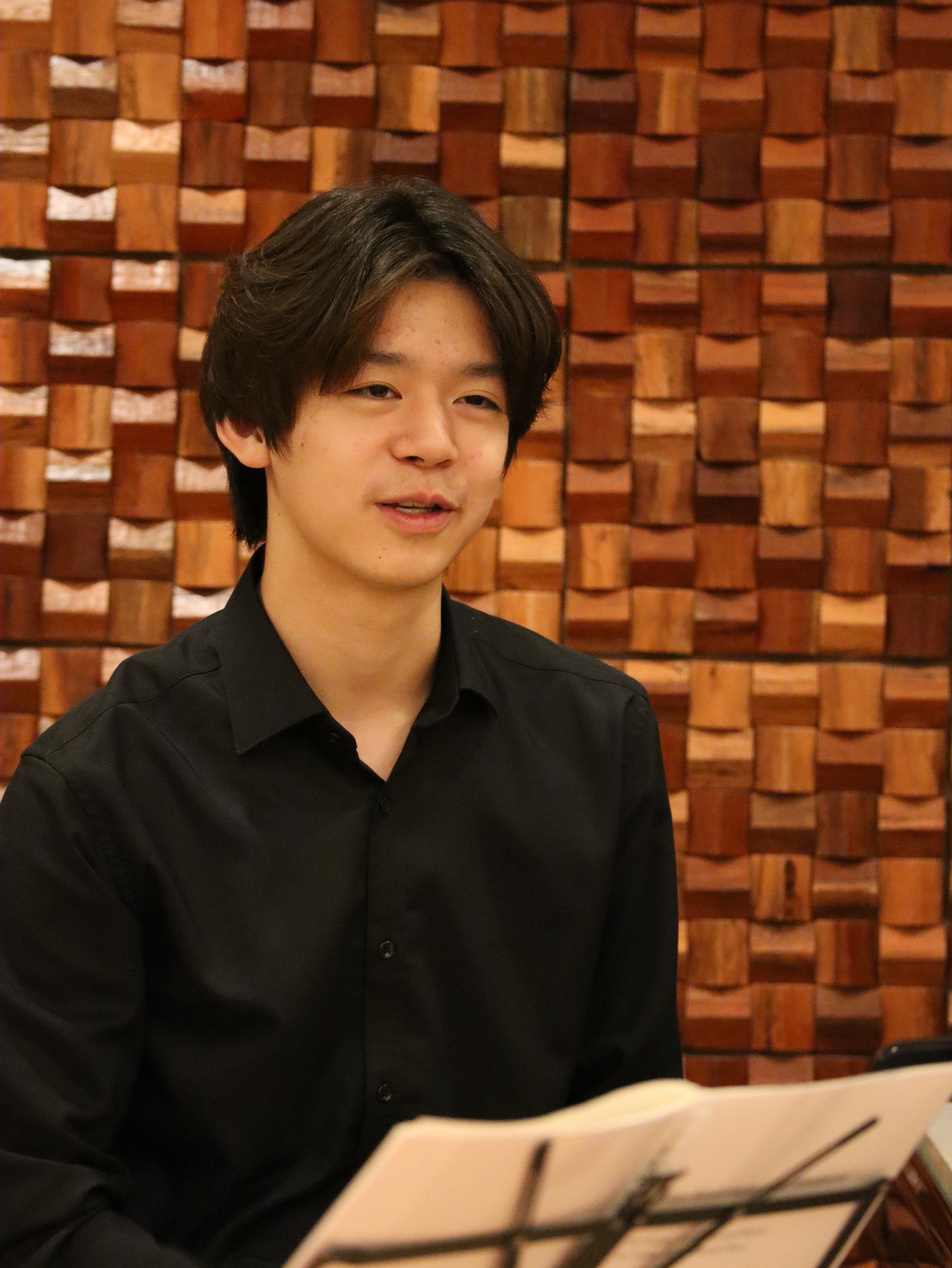
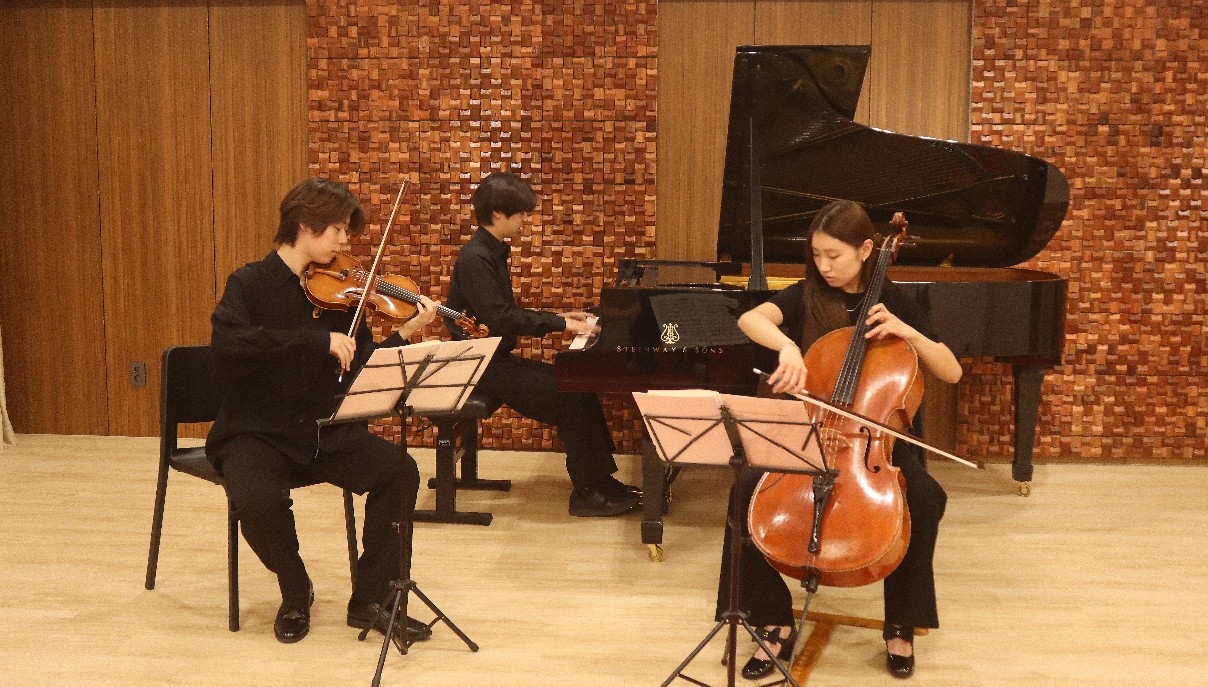
Translation result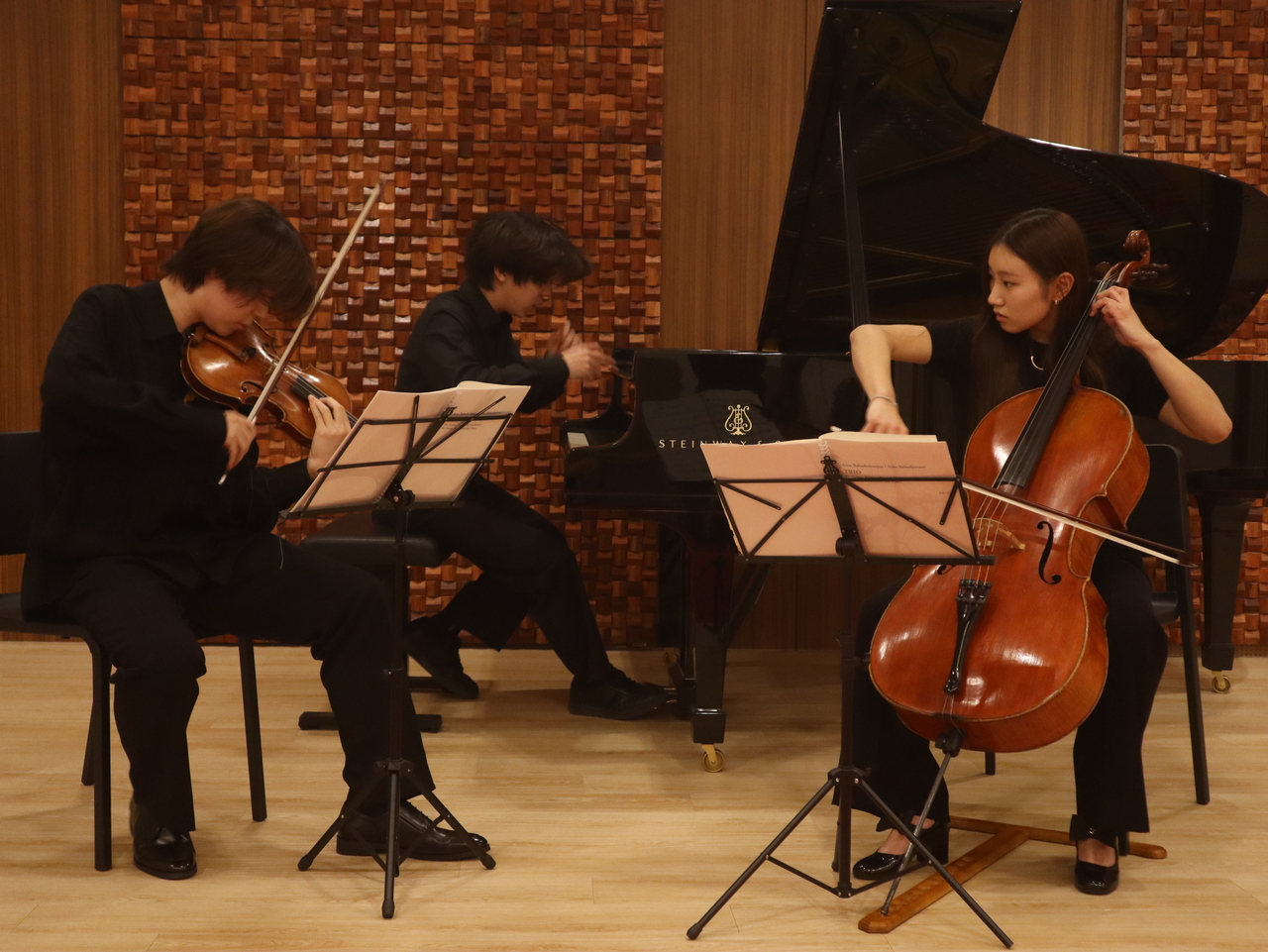 [Herald Business=Reporter Seung-hee Ko] Small hands tap the broad shoulder of a cello. Fingertips shape sound before the bow finds its line. A violin glides over a low piano pulse. The music swells and crashes like hair caught in a sudden gust. Though their faces are still youthful, the teenagers’ playing is daring—like a covert team slipping into an adult world. With Piazzolla’s irregular rhythms casting a shadow and jazz and tango fueling their fire, the three musicians are forging a performance identity distinct from earlier “prodigies.”
The “Tango-style Improvisation” uploaded to the YouTube channel Let’s KLAY shot to 140,000 views after Kim Ju-ho’s piece—written at 13 while he was a first grader at Yewon School—was posted in 2024. It quickly joined the channel’s top three most-viewed videos. Viewers left comments like, “Did a 13-year-old really write this?” and “An astonishing trio.” The Appassiona Trio is made up of Kim Ju-ho (born 2010; composer, piano), Jeong Hyun-jun (violin) and Jeon Seo-u (cello).
They are a new kind of teenage ensemble. Now in their fourth year as a group, they’ve just set another milestone: Appassiona Trio is the youngest ensemble ever invited to the Seoul Spring Chamber Music Festival (SSF), now in its 21st year. While soloists such as Cho Seong-jin and Sunwoo Yekwon have appeared on the SSF stage at a young age, this is the first time a teenage ensemble has been spotlighted.
When I met them in a practice room in Seocho-dong, Seoul, the three laughed and said, “We formed in 2023 as first-year middle school students, so technically we’re a four-year group now, but we had a two-year break in between.” In that light, this SSF appearance is a comeback.
Middle school opened a different world. Kim Ju-ho set the trio in motion. In spring 2023, during an improvement recital for first-year students at Yewon, he was looking for partners to play his composition. The Friday concerts in the new auditorium have been a school tradition since 1972, and within that tradition Kim sought collaborators to bring his music alive.
He remembered, “The improvement recital was an opportunity to hear other students and get a sense of the national level.”
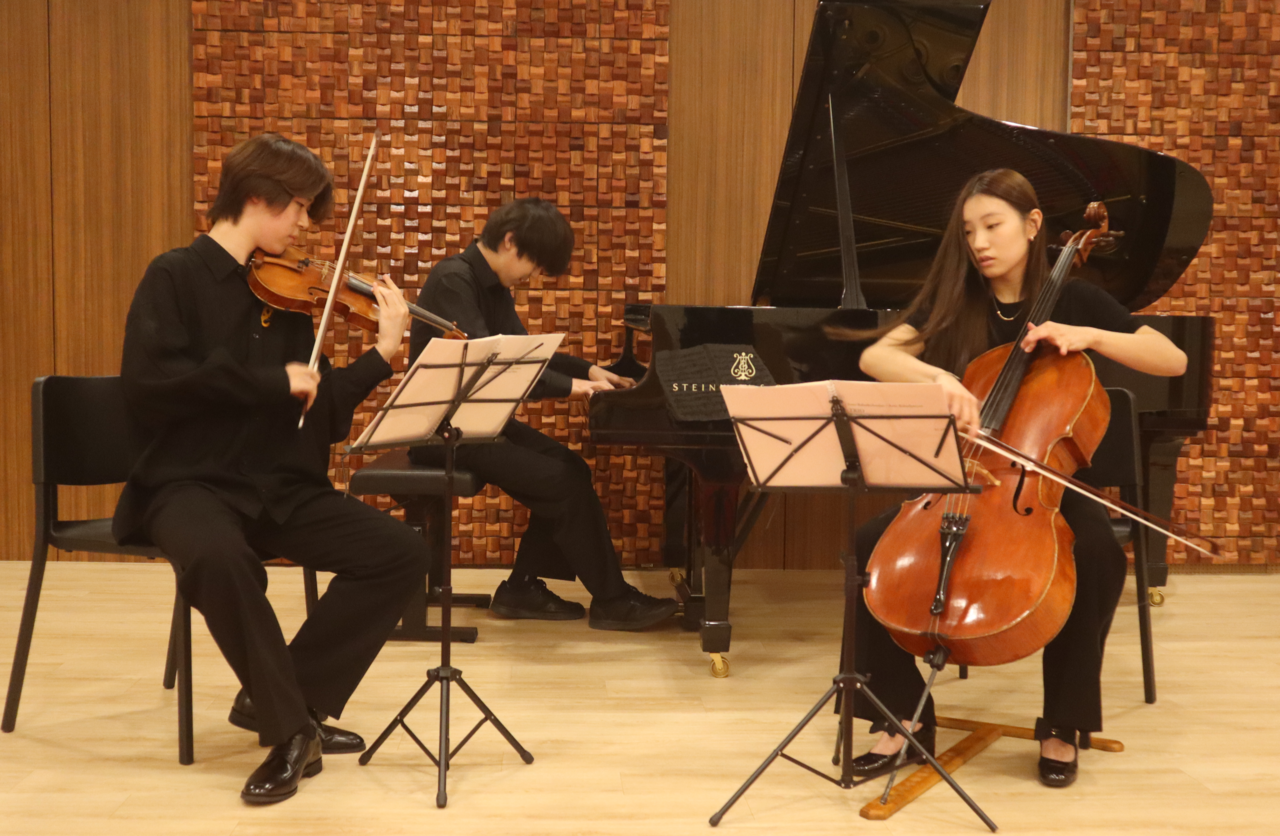 The first recruit was violinist Jeong Hyun-jun. Kim recalled, “I was struck by a short Stravinsky piece Hyun-jun played—the lonely feeling stuck with me. He played with his hair flying and was really impressive.” Hyun-jun combined sensitivity and technique. Then Jeon Seo-u—“a lively player who could hold his own between two boys,” and someone “known around school for being very skilled”—joined, and the trio took shape.
Both players welcomed the idea because they wanted to make chamber music together. Stepping into middle school expanded their social and musical worlds, giving them a chance to collaborate rather than work alone. “We both wanted to try chamber music,” Jeong and Jeon said. Jeon, who lived in Canada until fourth grade and played chamber music there, said he wanted to pick that up again after returning to Korea. Jeong recalled, “I think I was the one who first said I wanted to do it,” and he embraced Kim’s proposal. At the time, Kim—then attending the Korea Arts Education Center for Gifted Students—was already known among first graders as “a talented young composer.”
The piece that bound them—and that they’ll perform at SSF—is that very “Tango-style Improvisation.” At 3 minutes and 36 seconds, the work matches the trio’s name with its bold energy.
Kim said, “I was hungry for positive feedback from friends. Composers don’t get many chances to present work, so I wanted it to leave a mark. I wrote the tango because I wanted to—Piazzolla left an impression on me, and I’m interested in modern pieces that stem from jazz, like Kapustin.” The trio even experiments with treating the cello percussively over jazz-inflected rhythms. Kim laughed, “Honestly, I was a little carried away back then.” The piece came together intuitively: a single note would feel right, and without a formal plan, subconscious musical instincts shaped the structure.
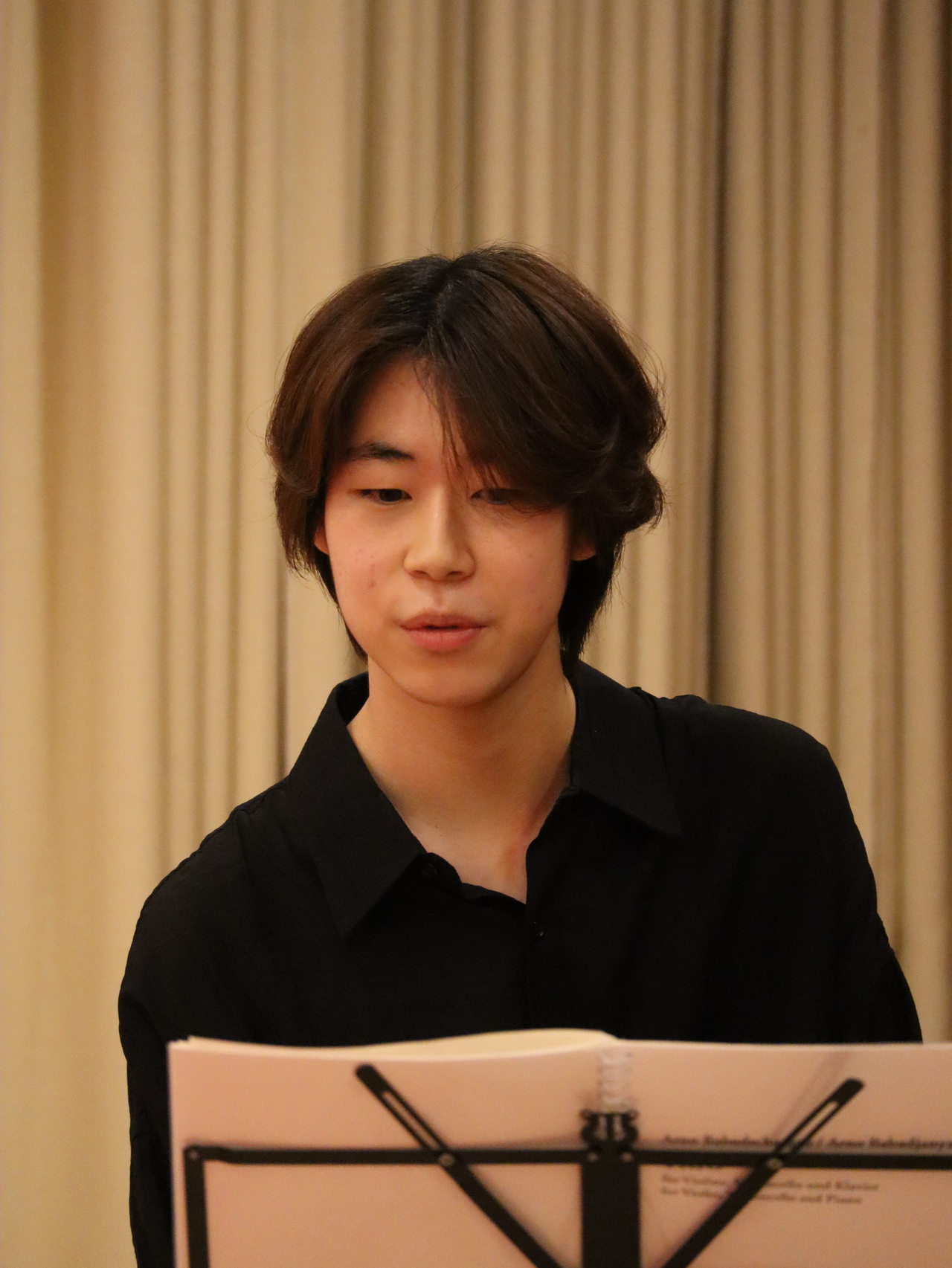 What makes this trio particularly engaging is that the composer is part of the ensemble. Having a living composer at rehearsal is a rare and valuable experience for the two instrumentalists.
Jeong said, “Interpreting works by dead composers can be tricky, but working with Ju-ho felt easier. Rather than feeling pressure, his presence offered interpretation coaching.” Jeon agreed: “Because Ju-ho is alive, we can ask what he wants and suggest ideas. It makes the process more relaxed.” Kim admitted, “I was young then and didn’t direct much.”
“Back then I only knew piano, so I didn’t understand other instruments well. Looking back, my notation was messy. Preparing for this concert, I basically had to redo and clean it up.” (Kim Ju-ho)
Appassiona’s identity is growth: the composer and performers growing together. Their music has matured with them. The piece they pulled out again after two years has effectively become version 2.0. The members notice one another’s development. Jeong said, “Ju-ho’s music is maturing. Each piece has a distinct color; his musical world feels clearer over time.”
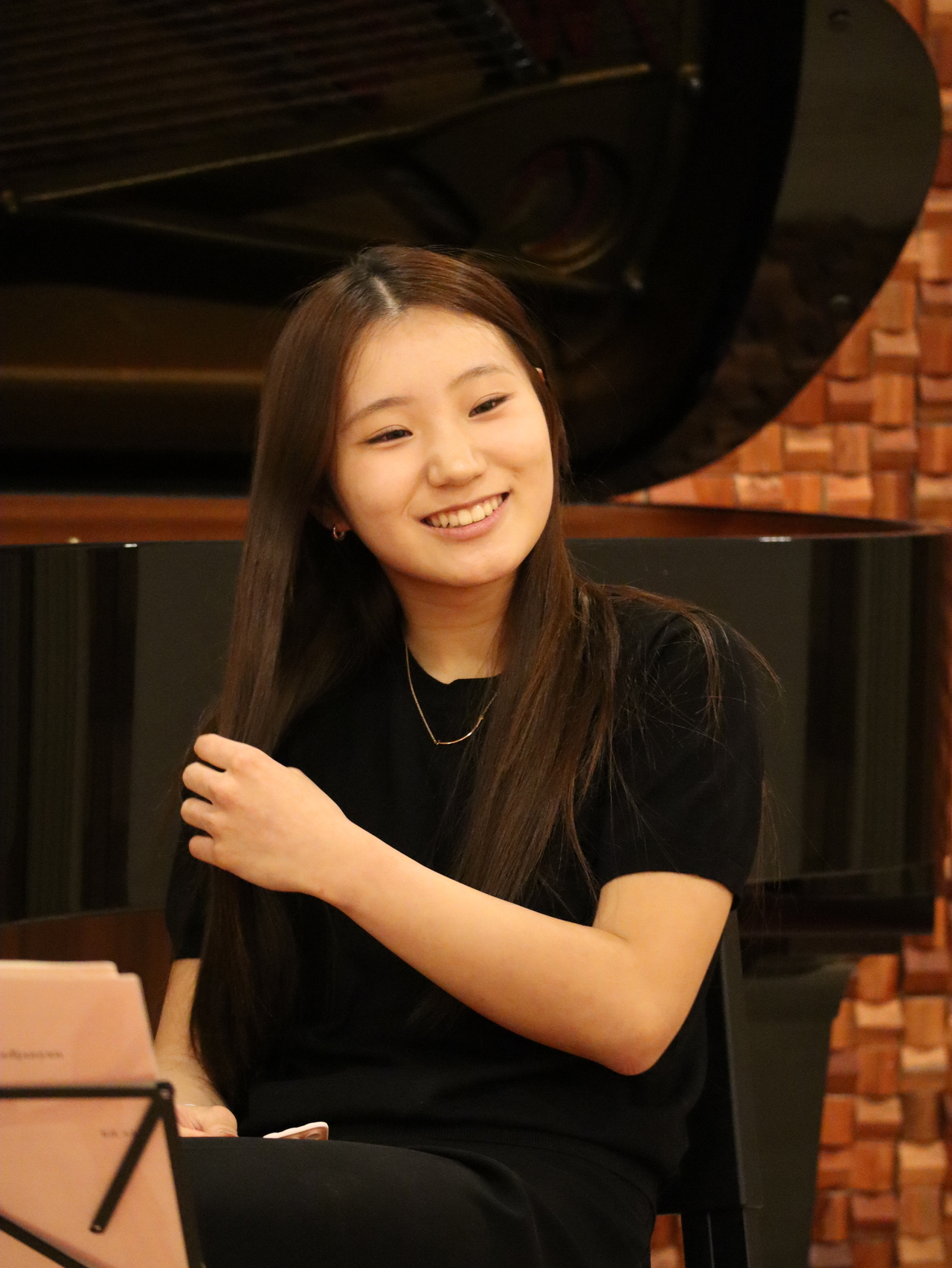 Jeon added, “I think I have a lot more to say now than before.” Kim immediately teased, “That just means he says things that are hard to understand,” and they laughed. Jeong often plays mediator, translating Kim’s ideas for Jeon and keeping the team centered. They tease each other like typical sixteen-year-olds—bickering one moment, making up the next—but when the conversation turns to music, they snap back into focus.
Sparks fly in their creative process. With no single leader, they freely exchange ideas and build the music together. “When we hear a performance and think, ‘Why do we sound so bad?’ that’s when the real conversation starts,” Kim said. They insist they don’t have deep, destructive fights, but disagreements are frequent. “We always argue,” Jeon laughed. Jeong added, “That’s how good music comes out.” They share a core belief: chamber music is ultimately the process of making a single, unified piece.
Their SSF program mirrors the trio’s character.
Arno Babadzhanyan’s Piano Trio in F-sharp minor, third movement, has been on their wish list since they formed. The Armenian composer’s work is considered a peak of Soviet-era chamber music. Its intense emotions and folk-inflected colors demand high-level ensemble skills from all three instruments. “Now is the time to take on this challenge,” Jeong suggested, and the others agreed.
 Kim’s “Tango-style Improvisation” appears in the middle of the program. Beginning with percussive cello gestures and unfolding over irregular tango rhythms in which the three instruments converse, the piece is a laboratory for the intuitive instincts of a teenage composer shaped by Piazzolla. They’ll close with the first movement of Paul Schoenfield’s Piano Trio “Café Music,” a modern chamber gem that fuses classical jazz and klezmer traditions.
Kim explained, “We didn’t plan the program from a grand perspective; each of us proposed a piece and the program came together naturally.” Though the works span different eras, regions and styles, they share one thing: none are strictly traditional classical repertoire. “The big, dramatic gestures in these pieces should help us leave our own imprint,” Kim said.
Appassiona represents a new generation in classical music—the classical analogue to the “young-creator crews” that have become common in K-pop. These teenagers compose and perform, and they built early visibility through YouTube. Their path diverges from the traditional gifted-music pipeline: YouTube came before competitions. Their individual circumstances reflect shifts in Korea’s classical scene. Two members are homeschooled; Jeon attends an international school. Kim and Jeong are preparing for early admission to the Korea National University of Arts.
Jeong said, “You can gain a lot from school, but I realized that staying in school left me little time for practice. Homeschooling offered real benefits, so I left and have never regretted it.” He studies with Kim Young-wook, a member of the Novus Quartet and a professor at the Korea National University of Arts.
 Kim also chose homeschooling with clear intent. “From the moment I entered middle school, I felt the three years of high school would be a waste for me,” he said. He acknowledged Yewon’s value—meeting many fellow musicians—but argued that learning from peers often outweighs formal schooling. Watching many Yewon graduates move on to Seoul Arts High School, Kim felt repeating the same three years would be redundant. “As you advance, you rely less on instruction and more on listening as the best way to study music,” he said.
Leaving traditional school hasn’t narrowed their horizons. Rooted in classical tradition, they now cross boundaries freely and expand their musical vocabularies. They treat classical music not as a museum piece to be preserved but as a living language to be mixed and extended. Appassiona has written only the first page of that language.
The three aren’t even old enough for national ID cards yet, and they resist the label “teen prodigies.” “Once we’re on stage, age doesn’t matter—we’re performers,” Jeong said. Kim said they’d rather hear “That was a great performance” than “Good for teenagers.” Above all, Jeon said, “More than being great, we want to make music that’s fun for us.” Free from outside expectations, they’re declaring the intention to make music that belongs to them alone.










Most Commented