
Translation result
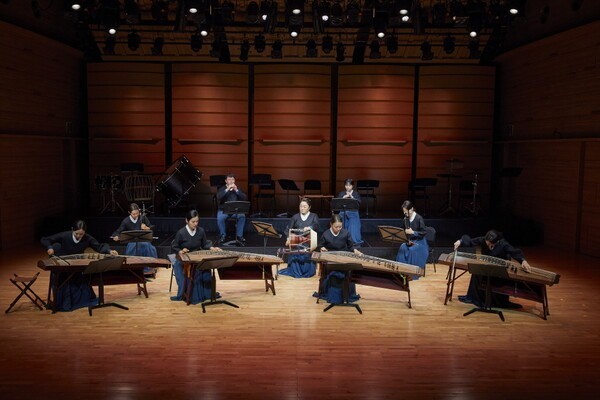
By Sangwan Lee, News Culture. The names of traditional pieces have a way of lasting. At the National Gugak Center’s Creative Orchestra, those names are being revived and recast as new sounds. The program presents seven world‑premiere chamber works derived from the titles and alternate names of traditional repertoire. Each premiere offers a fresh interpretation of a long‑standing name, as young composers excavate the emotions and textures embedded in those titles and translate them into contemporary musical language.
The Creative Orchestra’s curated concert, Sujak II, begins with the titles themselves. In the history of gugak, a title often pointed to a piece’s character, mood and status. The ensemble returned to that clue and reread familiar names through a modern lens, moving the feelings, scenes and questions those names conceal into chamber‑music forms. Seven composers—Kim Sang‑uk, Kim Yang‑sang, Kim Jeong‑geun, Ra Ye‑song, Lee Ye‑jin, Lee Jae‑jun and Hwang Jae‑in—contributed pieces, each scored for different forces that expand the program’s sonic range.
The most striking choice is the instrumentation. The concert brings in court instruments and modified models from the National Gugak Center’s research institute that rarely appear on creative gugak stages. The intent is clear: don’t keep repeating familiar timbres. Tradition is treated as raw material, not as a form to be copied intact.
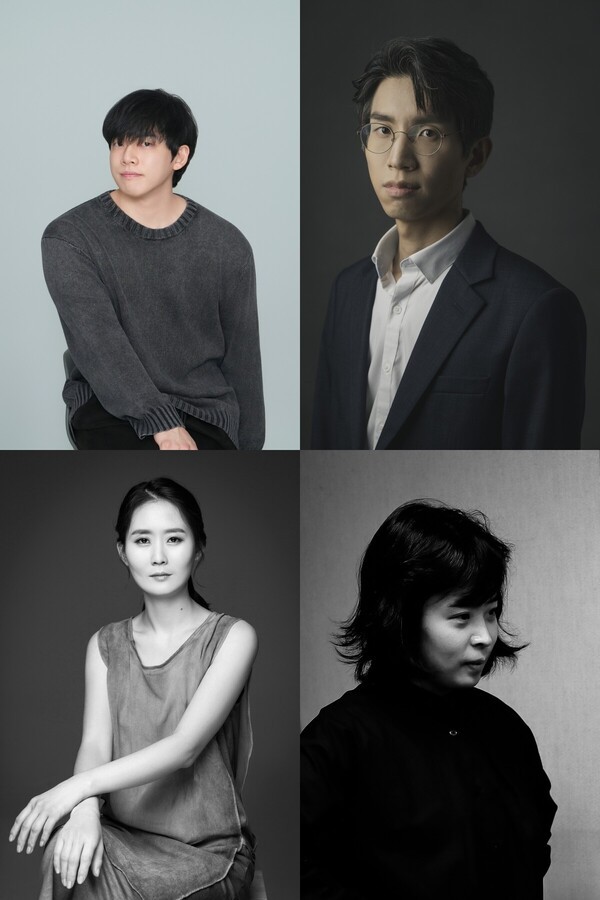
◇ Seven premieres rooted in titles
Kim Yang‑sang’s Blind Spot I: Agreed Stillness is a quartet for daegeum (large bamboo flute), piri (double‑reed pipe), haegeum (two‑stringed fiddle) and daeajaeng (large zither). He takes as his starting point Manpajeongsik (萬波停息), an alternate name for the procession piece chuita that literally means “all waves come to rest.” Though the phrase suggests calm, Kim probes what lies beneath: unspoken words, emotions that haven’t settled and subtle tremors that refuse to disappear. The term “blind spot” signals that stillness can conceal suppressed movement.
Kim Sang‑uk’s Cut Flower (Jeolhwa) is a duet for piri and 25‑string gayageum. He reimagines the alternate name for the marching court music Gilgunak within a contemporary emotional frame. The image of a cut flower evokes life at its peak, abruptly severed; Kim maps that onto arcs of climax and loss, parting and eventual acceptance. Rather than magnify sorrow, he attends to the quiet steps and serenity that follow farewell.
Lee Ye‑jin’s Many Leaves Chiyo (萬葉熾瑤) centers five percussionists. The alternate name Manyeopchiyo—linked to Yeominakman—evokes a carpet of lush plants. Lee translates it into a summer forest: wind, birdsong, sudden showers, sunlight and shifting air currents split across five scenes. She borrows cyclical patterns from traditional rhythms so the percussionists breathe as a single organism; the work foregrounds the ecological flow between sounds rather than isolated strikes.
Ra Ye‑song’s Dodeuri is scored for danso (end‑blown flute), sanjo gayageum, janggu (hourglass drum) and haegeum. The title will be familiar: dodeuri threads through the Yeongsan hoesang repertoire and salon music. Ra traces the formal beauty implied by “returning.” Melodies repeat and structures fold back on themselves, and the music follows how repetition subtly alters expression. It reads as an inward reexamination of the structural aesthetics of traditional music.
◇ A stage where old names meet contemporary sounds
Lee Jae‑jun’s provocatively titled Yeominak—Broken Dopamine Receptors is the most overtly contemporary piece. Seven performers handle 21 instruments in a forceful lineup. He takes the original Yeominak—whose name means “enjoying with the people”—and collides it with today’s stimulus‑hungry consumer culture. He borrows the opening Yeominak melody only to dismantle and twist it, creating friction with modern sensory habits. The piece satirizes an era accustomed to fast, intense sonic hits and instant gratification; on stage it reads as the program’s most pointed commentary.
Kim Jeong‑geun’s Spring Dream (Chunmong) is an octet for ajaeng (bowed zither) and haegeum. It draws on Taepyeongchunjigok (太平春之曲), an alternate name associated with Yeominakryeong. As the title suggests, Kim captures the impulse of spring and dreamlike time—not by painting airy, florid scenes, but by attending to a slow awakening inside stillness and the sudden surge of released energy. Layered sustained strings build dense textures; as the haegeum and ajaeng weave thicker sonic strata, spring arrives like life stirring from sleep.
Hwang Jae‑in’s Hwanghacheong: Toward Qing begins from Hwanghacheong, an alternate name for Boheosa. He refuses to reduce qing (淸) to simple clarity and instead fixes on the East Asian aesthetic of qingqi (淸奇)—a quality that is lucid yet strange, uncanny even. The piece unfolds as a journey toward a complex, multifaceted notion of “qing,” with a strand of unpredictable vitality running through it.
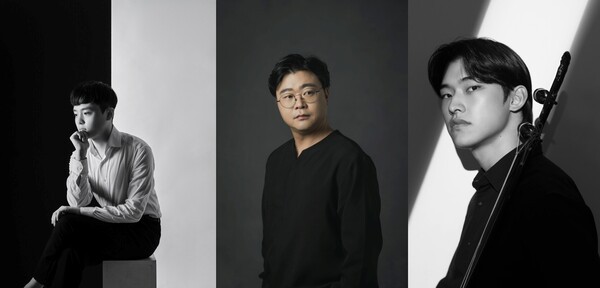
Each of the seven pieces opens a different door, but they share a common trunk: a refusal to taxidermy tradition. The concert asks what remains when you translate the dignity, resonance and distance carried by old titles into a contemporary compositional voice. This is not a program that simply repeats traditional forms; it’s an effort to turn the depth of traditional language into the sounds of today.
Park Seong‑beom, head of programming at the National Gugak Center, said, “The Creative Orchestra’s Sujak II brings the meanings embedded in our traditional music’s titles into contact with the modern sensibilities of young composers. We hope this creative gugak, rooted in tradition, connects more deeply with audiences.”
The Creative Orchestra’s curated concert Sujak II opens at 7:30 p.m. on the 23rd at Umyeondang, National Gugak Center.
News Culture reporter Sangwan Lee prizewan2@nc.press











Most Commented