

Treading the Royal Path
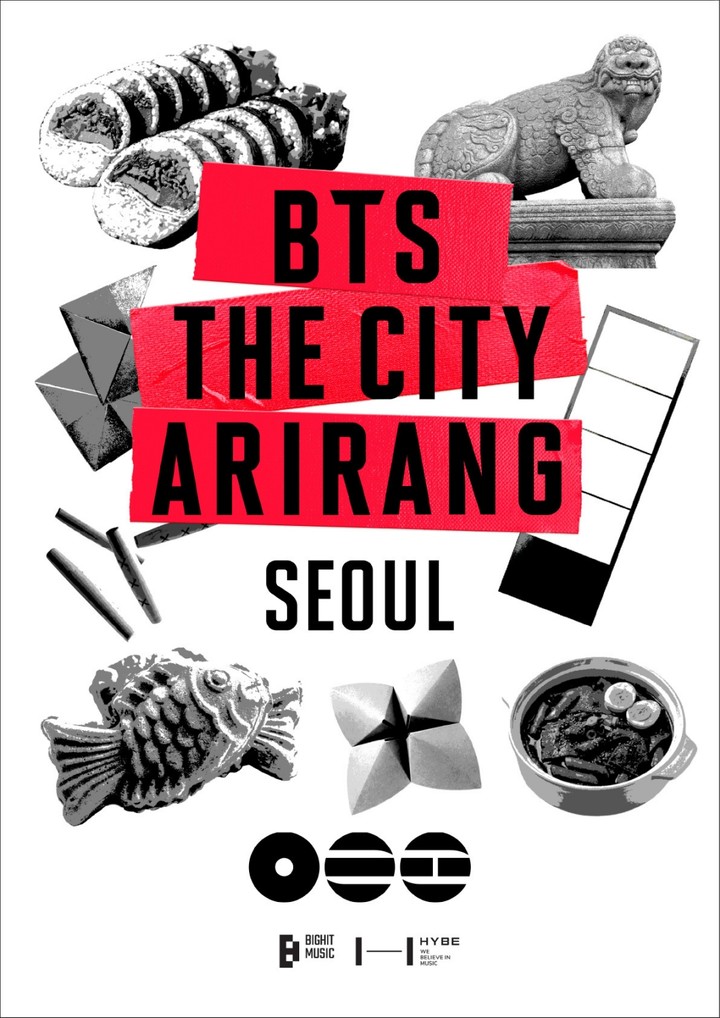
BTS is set to make a triumphant return, but this isn’t your typical comeback. The K-pop sensation is gearing up for a groundbreaking performance at Seoul’s iconic Gwanghwamun Square, with their new album aptly titled “Arirang.” Fresh from completing their mandatory military service, the group’s first full ensemble activity isn’t about going global or English lyrics – it’s a powerful homage to their Korean roots.
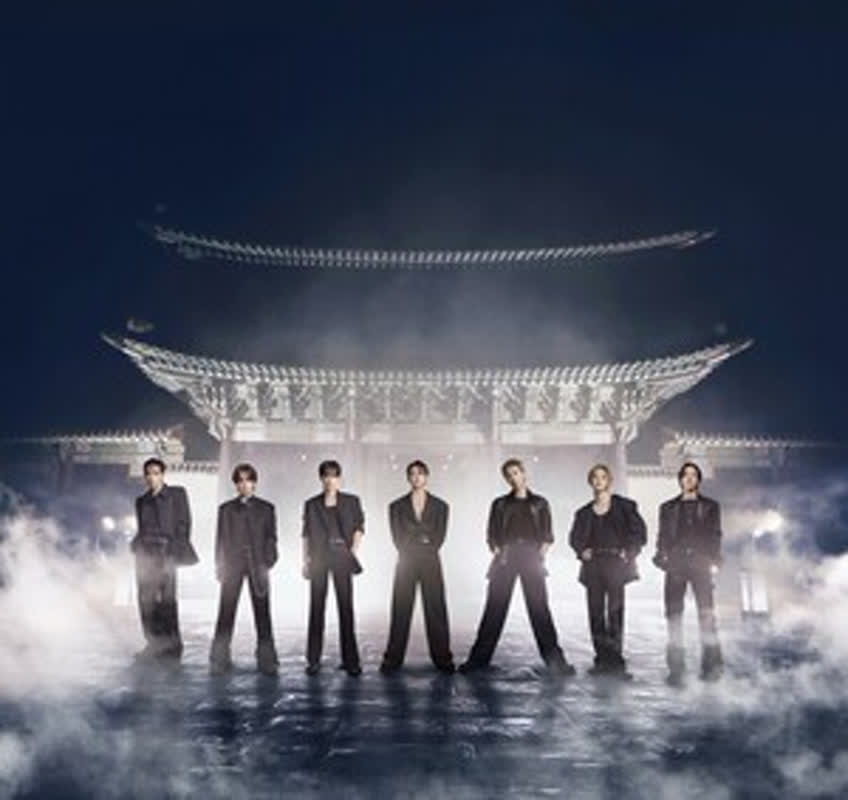
Mark your calendars for March 20th, when BTS drops their fifth studio album “Arirang.” The following day, March 21st, will see the septet take center stage at Gwanghwamun Square. Sources close to the event reveal that the group has secured permissions not just for the square, but also for the majestic Gyeongbokgung Palace gates and the Gwanghwamun platform. The performance’s centerpiece? The historic “King’s Path.” Imagine a 21st-century K-pop phenomenon retracing the steps once taken by Joseon Dynasty monarchs to address their subjects – a breathtaking fusion of past and present.
Gwanghwamun is no ordinary venue. It’s a crossroads of national ceremonies, power dynamics, public gatherings, and cultural evolution. The decision to host a K-pop comeback here is unprecedented, signaling that BTS views this return as a momentous occasion transcending mere music release.
The album title “Arirang” further underscores this sentiment. As a UNESCO-recognized Intangible Cultural Heritage, this beloved folk song embodies the Korean spirit. BTS leader RM recently shared that the choice reflects their collective identity as Koreans and their desire to encapsulate something quintessentially Korean. He noted that Arirang’s themes of longing and emotional complexity resonated deeply with the group’s experiences during their military service.
This artistic direction marks a significant shift for BTS. Having conquered global charts with English hits like “Dynamite,” “Butter,” and “Permission to Dance,” their post-military debut album takes a surprising turn. Instead of chasing international trends, they’re doubling down on traditional Korean elements – language, location, and shared cultural experiences. It’s as if the group, after taking K-pop worldwide, is now bringing the world back to Korea.
Industry insiders see this strategy as a reflection of BTS’s evolving status. No longer just ambassadors introducing Korean culture abroad, they’ve become living symbols of that culture. By choosing Gwanghwamun as their stage and “Arirang” as their banner, BTS is redefining themselves not just as cultural icons, but as a national brand in their own right.
Fan reactions have been swift and enthusiastic. Korean ARMY members are thrilled about the group’s return to full activities and the historical significance of the Gwanghwamun venue. International fans are equally excited, expressing keen interest in the fusion of K-pop with traditional Korean elements. They’re eagerly anticipating news about live streaming options and how this uniquely Korean comeback will resonate globally.
As BTS emerges from their military hiatus, all eyes are on how their choice of Gwanghwamun and “Arirang” will shape this new chapter in their illustrious career. The music world waits with bated breath to see how these Korean cultural touchstones will influence their sound and message going forward.
Photo credit: Big Hit Music














Most Commented