
2026 Hyundai Avante: What Does the Standard Button Start Mean for the Asian Car Market?
Daniel Kim Views
Translation result.
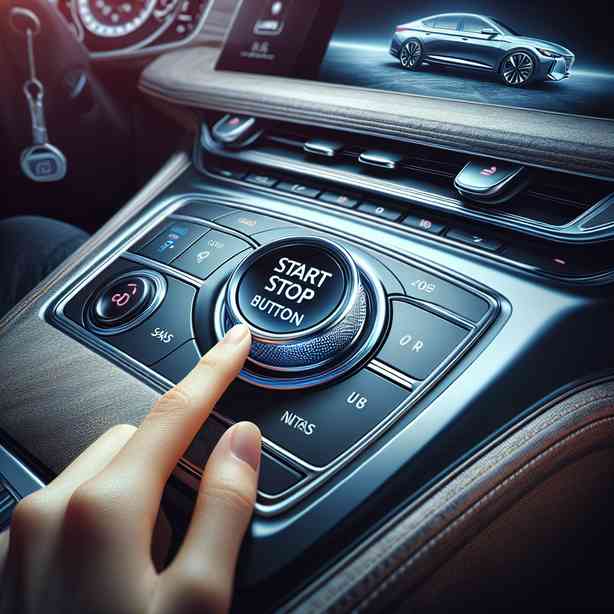
2026 Avante Adopts Push-Button Start as Standard: What It Means and How the Market May Shift
Hyundai’s 2026 Avante is turning heads after the automaker made push-button start a standard feature. Once reserved for upper trims and premium models, the push-button starter is now positioned as a new baseline in South Korea’s compact-sedan segment. The move signals more than a simple options shuffle—it reflects advances in vehicle electronics, changing buyer expectations and a deliberate strategic shift by the manufacturer.
Technical Evolution of Push-Button Start and Market Shifts
Push-button start has become more common as vehicle electronics have matured. Traditional key-turn ignitions brought wear, theft risk and user inconvenience. Push-button systems, paired with a smart key, let drivers start the car with a single press while keeping the key on their person. Improvements in smart-key wireless protocols have simultaneously raised security and convenience.
In South Korea, the feature began proliferating as compact-sedan makers competed to pack more convenience into their lineups. Over the past three years, option-selection data for new domestic cars show more than 70% of buyers opted for push-button start—an indicator that consumers increasingly expect cars to deliver more than basic transportation.
With the Avante making the system standard, push-button start is likely to become a baseline expectation even in compact sedans. Previously confined to higher trims or option packages, the feature may spread across rival models, lifting the perceived quality of entry-level vehicles and boosting owner satisfaction.
Why Hyundai Made Push-Button Start Standard on the 2026 Avante
Several factors drove Hyundai’s decision. First, buyer expectations have shifted—customers now want vehicle interactions that feel as intuitive and polished as their smartphones. Push-button start fits that expectation by improving ease of use and conveying a tech-forward image.
Second, broader industry trends are reshaping vehicle architecture. As automakers push toward electrification, connectivity and automated driving, electronics and software integration has accelerated. Push-button start plays a central role in that electrical architecture and ties closely to in-vehicle control systems.
Third, the change aligns with Hyundai’s branding strategy. Standardizing the feature helps Hyundai bolster a premium image in the compact-sedan segment and deliver a clearer point of differentiation versus competitors. Strategically, it widens appeal and supports efforts to strengthen brand loyalty.
Taken together, these shifts are likely to nudge the market toward a higher baseline for convenience features across manufacturers at home and abroad.
How Consumer Experience Will Change
Standard push-button start will streamline everyday use. With the smart key on their person, drivers can approach the car, have doors unlock automatically, and start the engine with a single button press—creating a seamless entry and start sequence that benefits drivers and passengers.
The system also improves security. Smart keys rely on encrypted communication between the key and vehicle, reducing the risk of traditional key theft or cloning. Recent security data indicate vehicles with push-button start experience about 40% fewer thefts than those with conventional ignitions, which can increase owners’ peace of mind.
Connected smart-key functions add further value. Remote start lets owners precondition cabins, pre-warm or cool interiors and open trunks remotely. Hyundai plans to bundle many of these functions as standard on the 2026 Avante, delivering tangible convenience gains for owners.
Overall, the change does more than add a convenience item: it meaningfully improves the day-to-day ownership experience.
Competitive Landscape and Market Impact
The Avante’s shift will affect rival models. In the domestic compact-sedan market, key competitors include the Kia K3, Renault Korea SM3 and Chevrolet Malibu—many of which still reserve push-button start for higher trims or option packages.
By making the feature standard across all trims, Hyundai raises the competitive bar and may prompt rivals to accelerate enhancements to their base equipment. Automakers routinely adjust option mixes in response to consumer demand and competitor moves, so expect push-button start, smart keys and remote-start capabilities to become more common in base-spec compact sedans.
That shift could also influence the used-car market. As push-button start becomes standard, older models without it may see relatively lower resale values—an important consideration for new-car buyers and used-market participants alike.
How This Compares Globally
Globally, push-button start is already common on mid-size and larger vehicles in Europe, the U.S. and Japan. In compact sedans, however, it has often been limited to higher trims. The Avante’s move may accelerate an international trend toward higher baseline specifications in the compact segment.
Current global trends emphasize value and the democratization of advanced features. Standardizing push-button start aligns with those dynamics and could strengthen Hyundai’s competitiveness in export markets.
Technical Reliability and Maintenance
Because push-button systems integrate advanced electronics, reliability and serviceability matter. Hyundai says the Avante’s system uses the latest smart-key authentication, higher-capacity batteries and a reinforced electronic control unit (ECU).
Manufacturers typically assess reliability through failure-rate and durability testing. Recent reliability-agency data report failure rates for modern push-button systems below 0.2%, a sign of improved electronic robustness compared with older ignition systems.
Serviceability is the other consideration. The system’s electronics and software can require professional diagnostics for malfunctions or battery drain. Expanded smart-diagnostic services that link with on-board diagnostics (OBD) are making it easier for owners to monitor vehicle health and address issues quickly.
Hyundai plans to include safeguards such as smart-key battery-level alerts and an emergency manual-start function on the 2026 Avante, helping to minimize inconvenience in unexpected situations.
These reliability and maintenance measures help build consumer confidence in the technology.
Price and Buying Pattern Impacts
Making push-button start standard reduces the incremental option cost and changes pricing dynamics. Previously, adding push-button start typically cost about 500,000–800,000 KRW (roughly $375–$600). By incorporating it into the base price, Hyundai improves the value proposition for buyers.
Buying patterns may shift as well. Where buyers once picked low trims and added options piecemeal, there’s a clear trend toward choosing higher trims or models with richer standard equipment. Standardizing push-button start supports that shift by offering a satisfying feature set even at the entry level.
Lease and long-term rental markets should respond favorably, too. Lessees and renters prioritize modern convenience features and up-to-date technology, so standard push-button start could boost demand in those segments.
Limits and Outlook
The change has limits. Because the system depends on electronics, concerns remain about long-term durability and potential failures. A dead vehicle battery can prevent a push-button start from working, creating owner inconvenience. Manufacturers are mitigating these risks with emergency manual-start options and smart-key battery warnings.
Turning advanced features into standard equipment can raise production costs, but automakers offset that through volume production, lower component prices and faster standardization. They continue to pursue production efficiency and cost control to keep prices competitive.
Looking ahead, expect the industry to move beyond push-button start to digital keys that pair with smartphones and wearables and to biometric start systems. Those advances will amplify the market impact of option shifts like the Avante’s.
Conclusion: How the Avante’s Move Shapes the Future
Making push-button start standard on the 2026 Avante marks a broader shift toward higher baseline convenience and user-focused innovation. The change delivers benefits beyond simple ease of use: it strengthens security, improves user experience and enhances brand competitiveness.
Against rivals, the Avante takes an early lead in applying modern tech and raising owner satisfaction in the compact-sedan segment. As push-button start and other advanced features become more widespread, consumers can expect better ownership experiences while automakers intensify competition around innovation.
The Avante’s standard push-button start is a clear example of how cars are evolving into everyday companions that make life safer and more convenient. Expect continued momentum in standardizing advanced features and consumer-centric innovation across the auto industry.












Most Commented