
Mazda CX-6e: How the 26-Inch Display Revolutionizes Your Driving Experience in 2026
Daniel Kim Views
Translation result
Large display replaces buttons
Mazda makes a major shift in interior design philosophy
Driver-focused design vs. digital experience clash
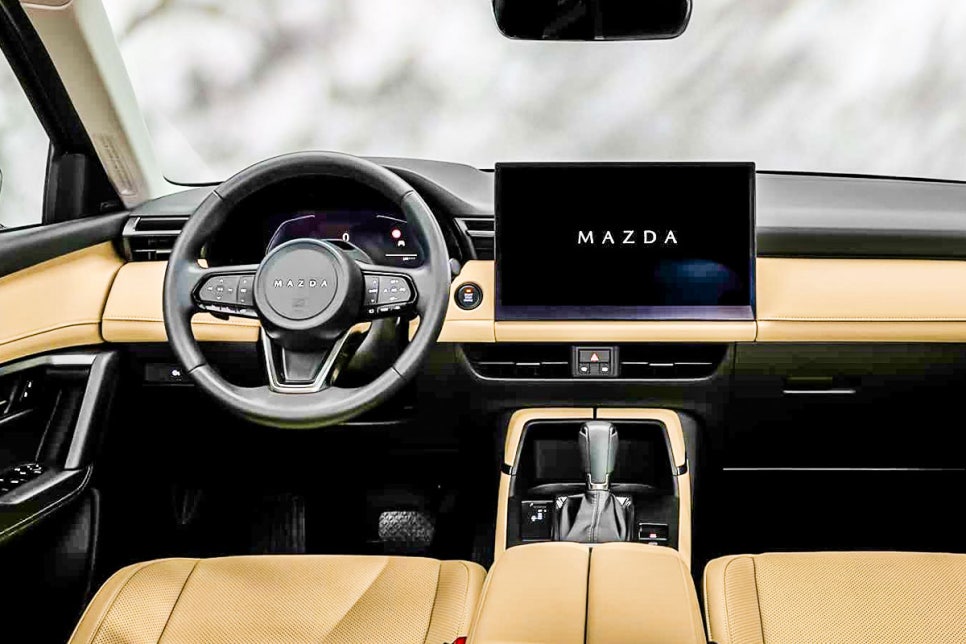
CX5 – Source: Mazda
Mazda, long known for preserving physical controls and a driver-centric cabin, has overhauled its interior design approach.
In its latest models, Mazda places large screens front and center, shifting the cabin from an analog sensibility toward a screen-first digital experience.
Industry observers say the move mirrors a broader trend across the auto sector as more buyers gravitate toward interfaces centered on displays.
26-inch giant display…
Provides clearer information
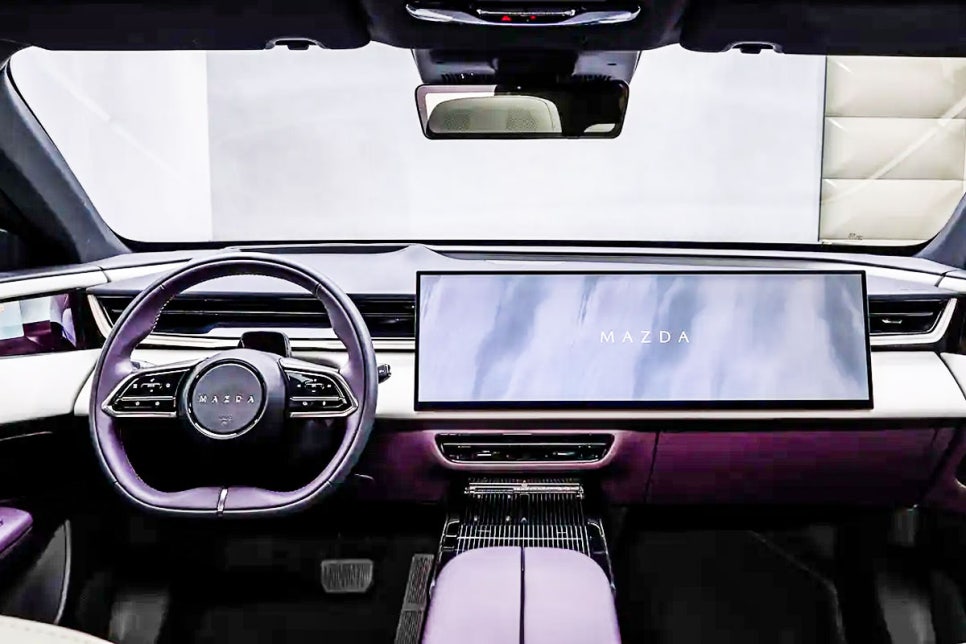
CX-6e – Source: Mazda
The most notable change is the 26-inch touchscreen in the CX-6e.
“The large screen is not about showing more information; it’s about communicating information more clearly,” Mazda’s head of European design said, emphasizing that the goal is to enhance the user experience rather than simply increase screen size.
Mazda also stretches the display toward the passenger side so occupants beyond the driver can participate in the vehicle experience.
HUD instead of instrument cluster…
Keeps drivers focused on the road
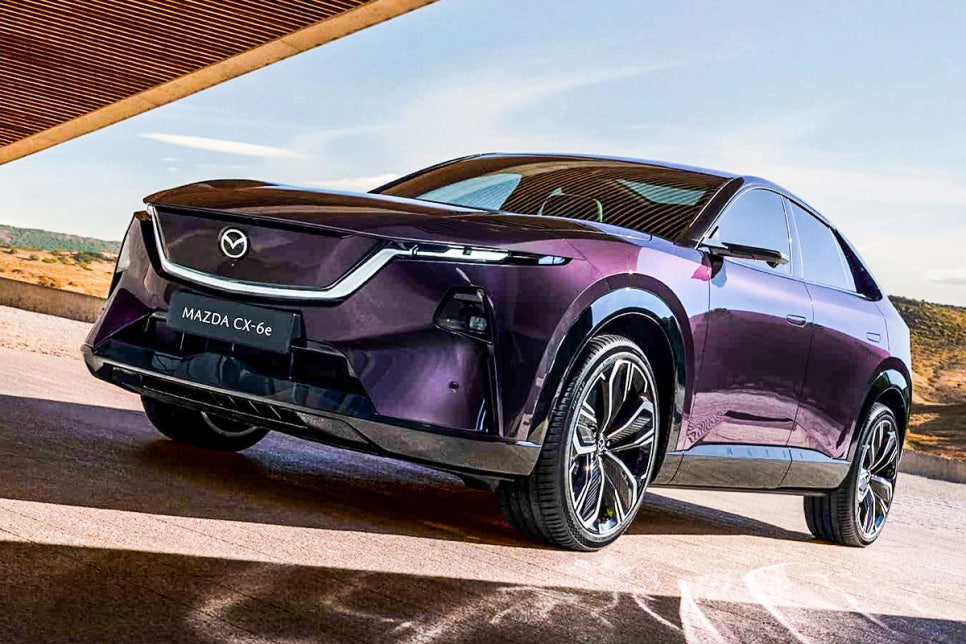
CX-6e – Source: Mazda
To mitigate driver distraction from larger center screens, Mazda has elevated the head-up display (HUD) to a primary role.
By presenting speed and driving data via the HUD rather than a conventional instrument cluster, Mazda aims to keep drivers’ eyes on the road.
That approach departs from the screen-dominated Tesla-style layout; it’s less about pure digitization and more about preserving driver attention.
Fewer physical buttons…
Market-driven choice
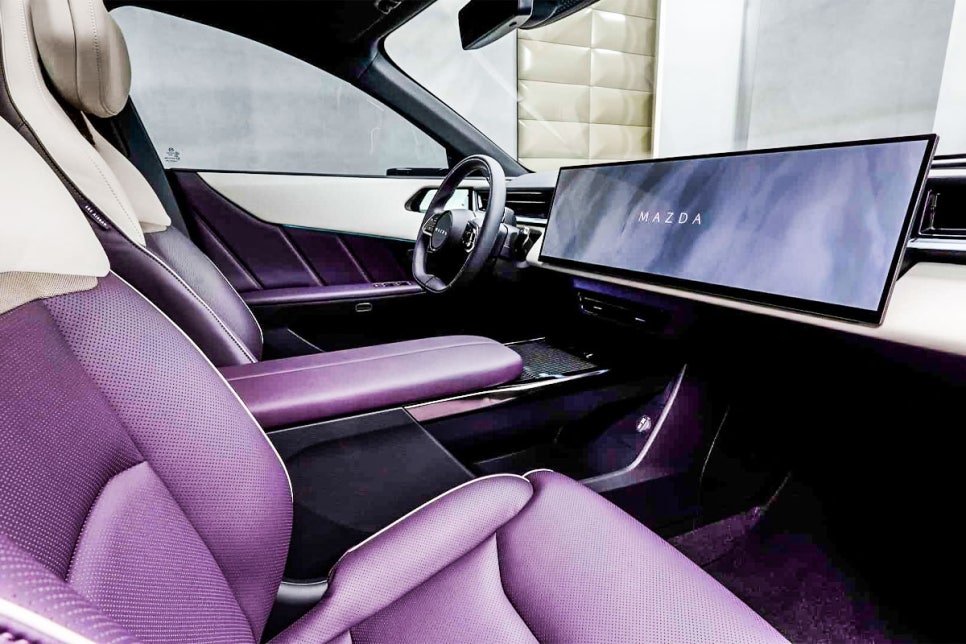
CX-6e – Source: Mazda
The changes extend across Mazda’s lineup, including the CX-5.
Mazda has expanded the center display to 15.6 inches, removed many rotary dials and hard buttons, and shifted to a touch-first interface.
The company says this is not merely a cost-cutting measure but a response to customer demand aimed at improving the user experience.
Analysts say the shift underlines how car interiors are evolving from driver-focused cockpits into connected digital platforms.
Still, some industry engineers caution that losing tactile controls could hurt usability and safety, leaving balanced human‑machine interface design as a critical challenge going forward.














Most Commented