
Translation result

BYD, the Chinese automaker that surged to the top of global electric‑vehicle sales, is now at the center of a quality controversy.
Promising to outpace Tesla, BYD deployed a next‑generation advanced driver‑assist system (ADAS) that it pitched as a major leap — but a series of critical malfunctions has been reported.
Industry observers say BYD’s rapid push to dominate the software ecosystem under the banner of “value‑priced autonomy” is colliding with reliability problems.
Top‑tier SUV priced around 200 million KRW (approximately 150,000 USD) veered into the oncoming lane
Overseas reports say complaints in China have spiked over malfunctions in BYD’s newest driver‑assist package, marketed as “God’s Eye.”
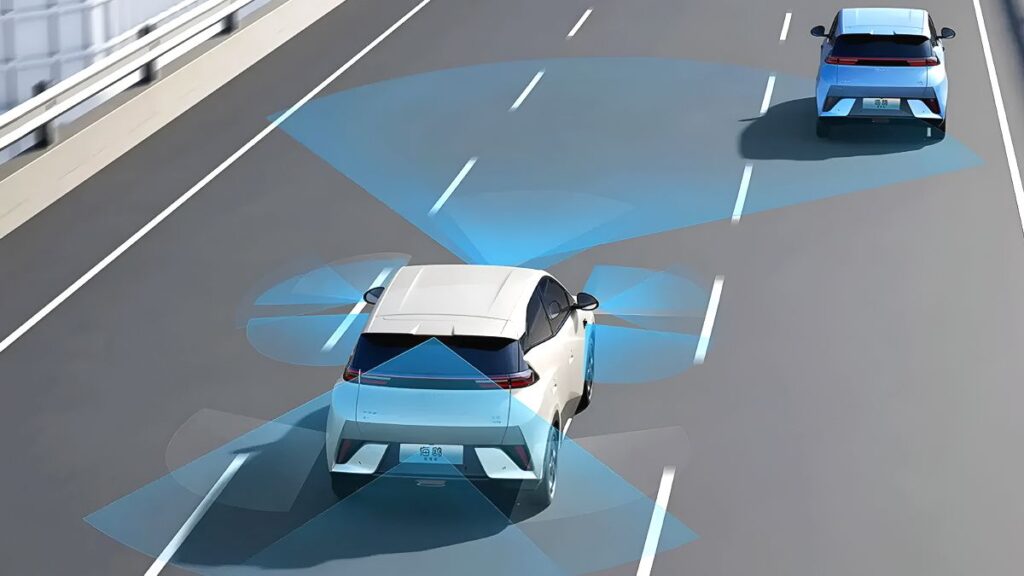
The system is fitted widely across BYD’s lineup — from entry‑level models to top trims — and is active on millions of vehicles in China.
One alarming incident involved an owner of the Yangwang U8, BYD’s luxury sub‑brand SUV, listed at roughly 210 million KRW (approximately 157,500 USD). The owner told Bloomberg the vehicle behaved dangerously while the assist system was engaged.
According to the account, the car suddenly accelerated toward the highway limit and drifted toward the center divider while the system was active.
On a separate trip, the steering abruptly turned, nearly causing a head‑on collision with oncoming traffic.
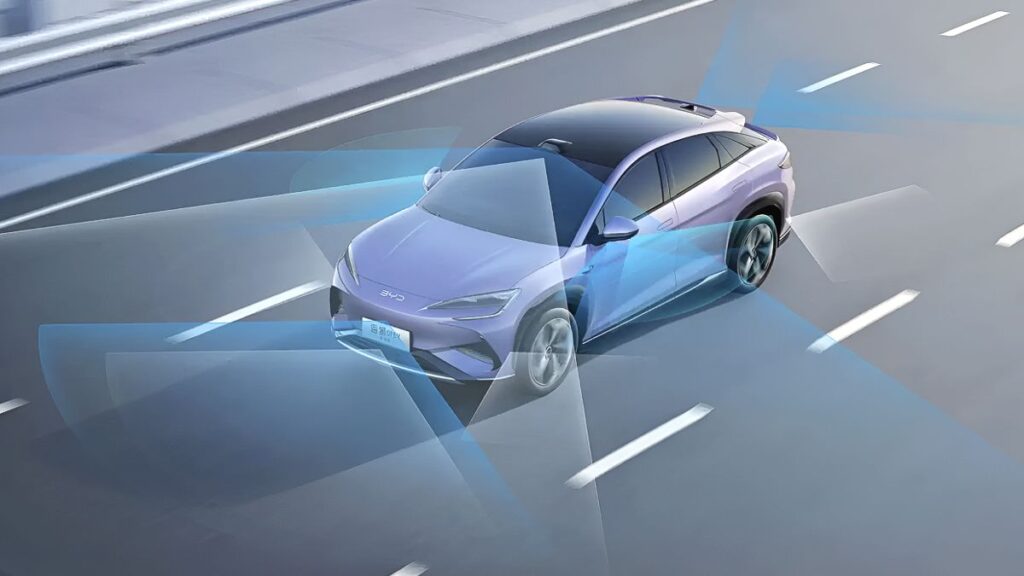
On Chinese social platforms, owners have also complained that “God’s Eye” misses highway exits and struggles with lane keeping, amplifying concerns about the system’s steering performance.
The limits of a speed‑first rollout: software quality under scrutiny
Experts argue the troubles stem from prioritizing rapid deployment over software refinement across BYD’s fleet.
Western OEMs such as Tesla, Ford and General Motors have typically limited advanced assist features to specific trims or offered them as options so they can collect data and iterate before wider release.
BYD took a different route: it pushed a single software stack across millions of cars with varying hardware — from camera‑only setups to LiDAR‑equipped models — effectively forcing a one‑size‑fits‑all solution.
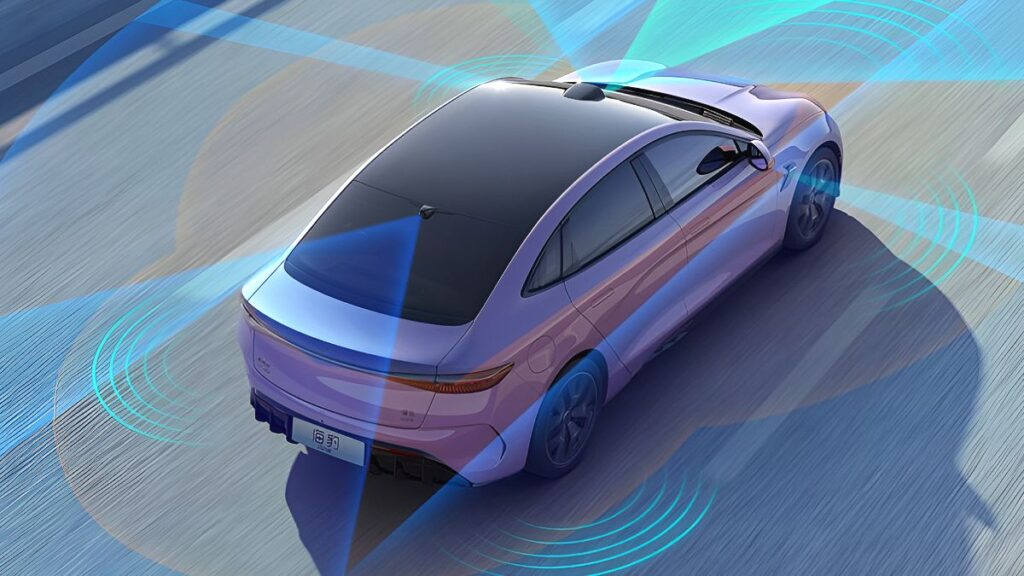
Analysts say trying to address every scenario with a single integrated software layer across different sensor configurations has led to major optimization and defect‑tracking failures.
“Safety over speed” — Hyundai’s cautious approach gets a reappraisal
BYD’s aggressive rollout contrasts sharply with Hyundai Motor Company’s development philosophy.
Some critics previously said Hyundai lagged China on Level‑3 autonomy and the shift to software‑defined vehicles (SDVs).
But industry observers now view the BYD episode as validation for Hyundai’s conservative stance: prioritizing safety and rigorous validation to build lasting trust.
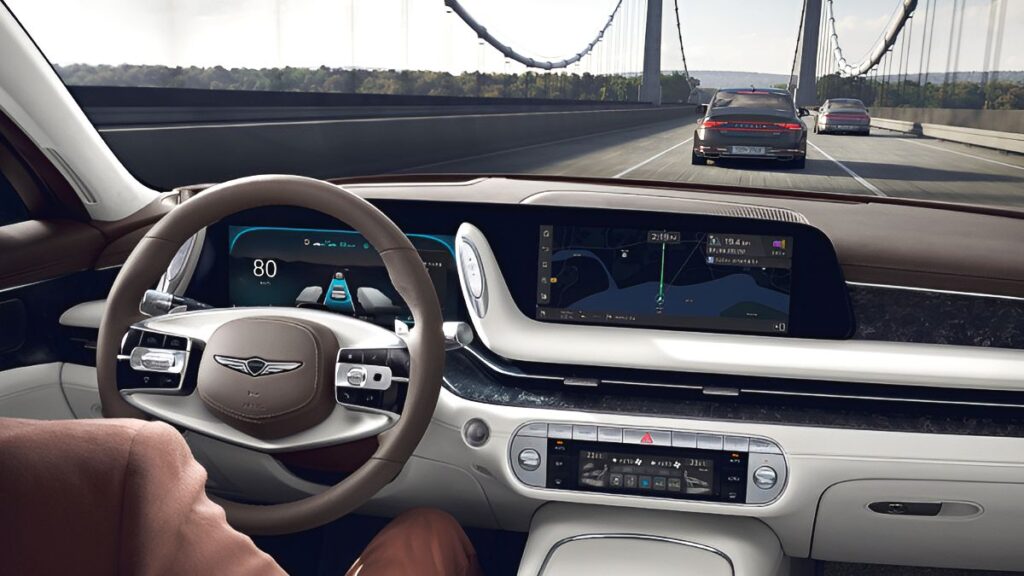
Hyundai says it is developing its Highway Driving Pilot (HDP) with extensive real‑world testing and careful scenario planning, favoring validated stability over hurried commercialization.
At its core, autonomous driving hinges on whether drivers can trust a system with their safety.
No matter how attractive the price or feature list, products that fail to guarantee basic driving safety will struggle to win consumers’ confidence.












Most Commented