
|
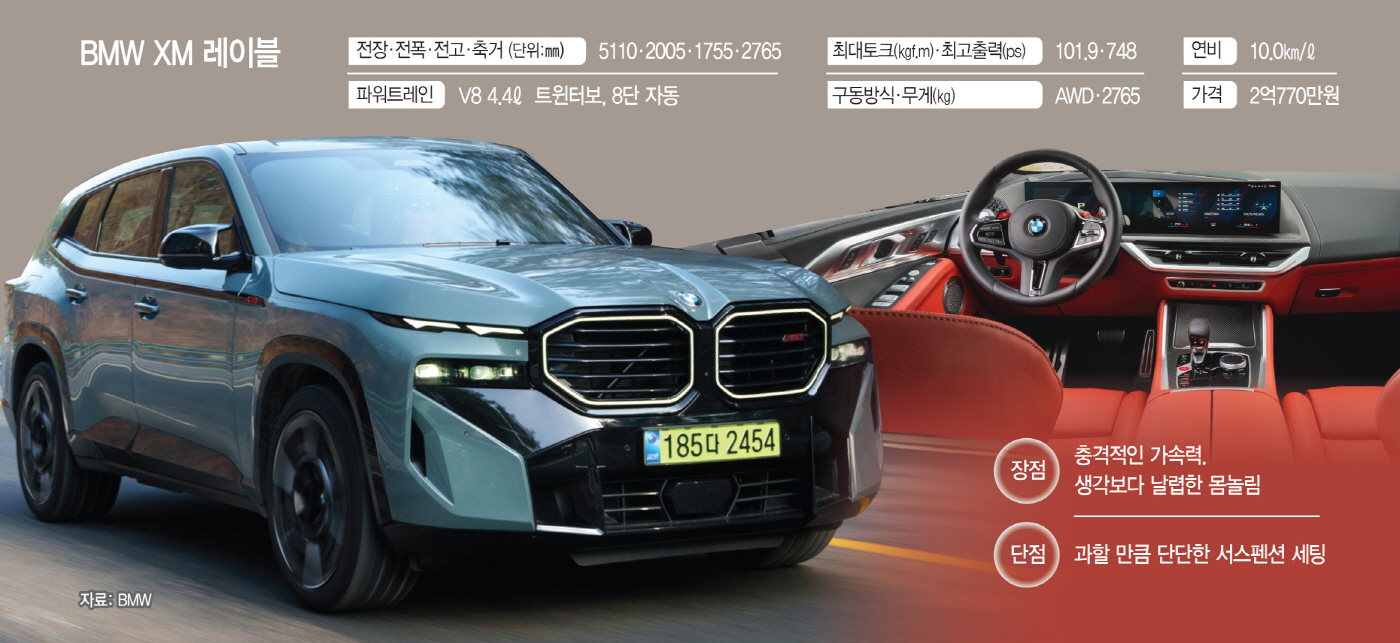
BMW’s high-performance M brand stands for “pure driving pleasure.” At first glance, the XM looked at odds with that ethos. BMW had bolted a heavy plug-in hybrid system onto a tall, heavyweight SUV — a clear departure from the traditional M formula.
After a test drive, my view changed: it still feels like an M. The XM proves BMW hasn’t ignored market shifts. It’s a BMW interpretation of the future of high-performance cars and a clear argument that electrification doesn’t have to mean compromise.
The XM is the first model dedicated to M since the M1, 45 years ago. BMW’s decision to make an SUV — not a sports car — its second dedicated M model is telling: the benchmark for high performance has shifted, and the market followed. Buyers now crave SUVs that deliver sports-car levels of performance.
The exterior reflects that shift. A massive kidney grille, a thick-set body and sharp, angular lines break with traditional BMW cues. The design reads aggressive more than refined, bold more than ornate. It draws attention wherever it goes.
Inside, the cabin is comparatively restrained. Sharing a platform with the X7, the XM offers generous space and premium materials. Plush seats, substantial leather and tight fit-and-finish meet flagship SUV expectations — it blends high performance with luxury.
The XM’s core is driving. It pairs a 4.4-liter V8 turbo with a plug-in hybrid system to produce a combined 748 hp and 102 kgf·m of torque (about 737.8 lb‑ft). BMW clocks 0–100 km/h (62.1 mph) in 3.8 seconds — figures that get the pulse up.
The electric motor launches quietly, but the character shifts the moment you bury the accelerator. The motor delivers instant thrust while the V8 layers in explosive power. The handoff between electric and combustion is seamless. The acceleration doesn’t just feel quick — it subdues the XM’s mass with authority, and even at high speed there’s ample reserve.
The XM isn’t just about peak output. BMW packed the latest chassis technologies to preserve driving engagement. All-wheel drive, active suspension, active roll control and rear-wheel steering work in concert, yielding dynamics far sharper than you’d expect from a vehicle this size.
On a twisty road, the XM doesn’t feel ponderous. Steering is immediate and tires maintain grip. Flick the wheel through a corner and you get genuine driving enjoyment — the cornering feels closer to a classic M car than to a typical performance SUV.
BMW has firmed up the suspension to counter the vehicle’s weight and high center of gravity. That approach keeps body control precise and keeps the driver connected, but it comes at the expense of ride comfort. On rough surfaces, harsh vibrations can transmit into the cabin.
That trade-off makes sense when you understand the XM’s mission: it prioritizes driving feel over comfort and sharp responses over plushness. This isn’t a run‑of‑the‑mill performance SUV — it’s BMW M’s answer to electrification.
Initial reactions to the XM’s reveal disappointed some who expected a traditional M sports car. A test drive quickly flips that view. The driving engagement, mechanical tension and performance-first mindset remain intact — the XM doesn’t abandon BMW M’s heritage.
The XM is not the product of compromise. It reads as a declaration that M’s lineage will retain its authenticity in the electrified era. The XM Label is priced at 227,700,000 KRW (about $170,775).














Most Commented