
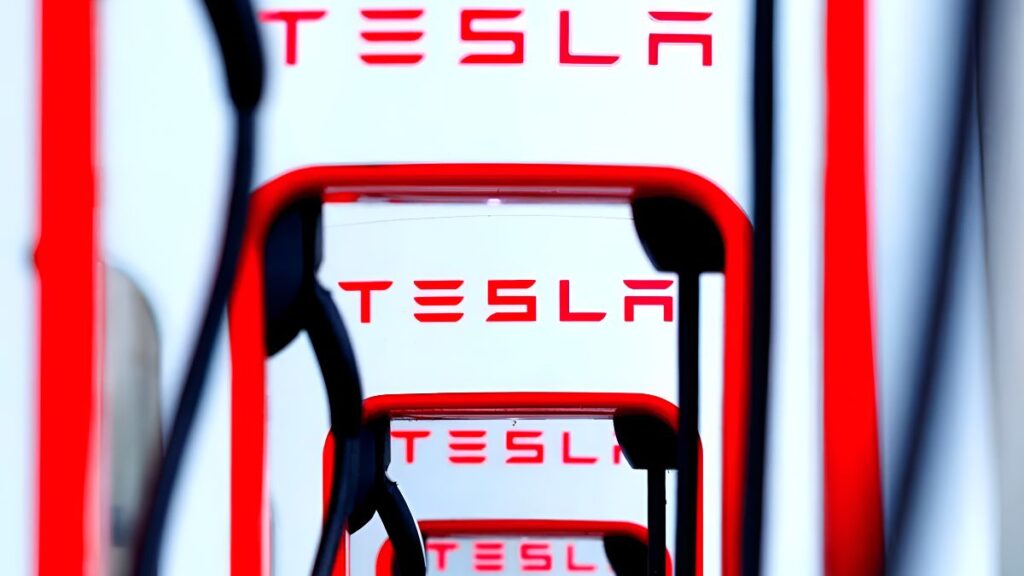
Charging infrastructure remains the biggest barrier to wider EV adoption. No matter how strong a vehicle’s range or how sharp its design, it’s of little use if drivers can’t reliably find a place to recharge.
The EV market has shifted from simply introducing attractive new models to a contest over who can build the densest, most convenient charging network.
More than 4,700 chargers contracted, underscoring strong momentum
Major international outlets report that IONA, the EV charging joint venture formed by eight global automakers, released results to mark its second anniversary.
In only two years since Hyundai, Kia, Mercedes‑Benz, BMW, General Motors and other leading automakers teamed up, IONA has opened more than 100 charging sites across North America.
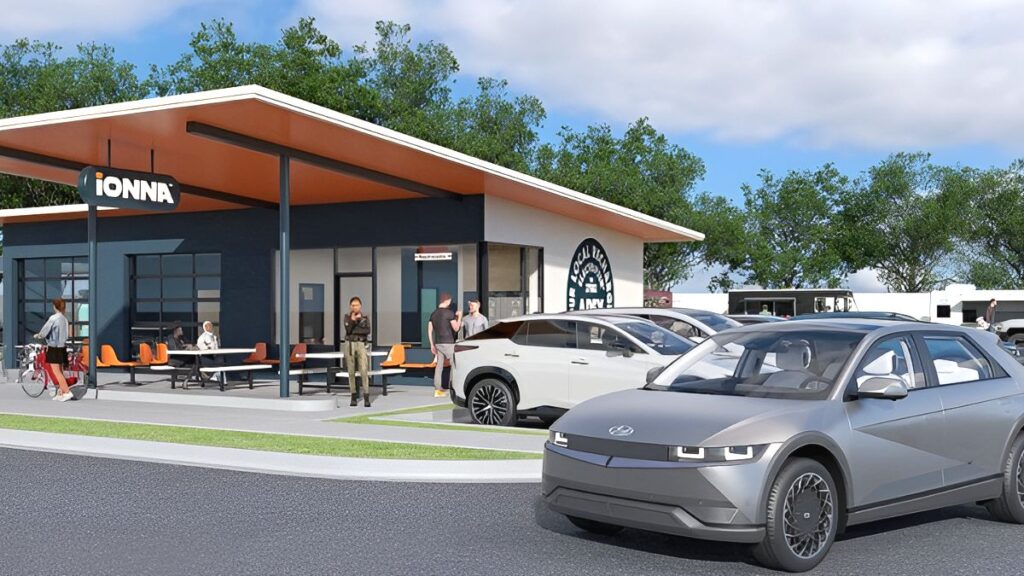
The group has signed contracts for more than 4,700 ultra‑fast chargers nationwide, and roughly 1,500 units are currently under construction.
Industry observers say this could signal the start of a major shift in North America’s charging market, long dominated by Tesla’s Supercharger network.
Astronomical infrastructure costs make cooperation a survival necessity
The reason these rival global brands have teamed up is straightforward: no single automaker can easily absorb the massive capital outlays and long timelines required to build high‑speed charging networks.
An industry source notes that building a single 350‑kilowatt ultra‑fast charging station—from site acquisition through completion—can cost tens of billions of KRW (roughly $7,500,000 to $67,500,000). Given that scale, sharing costs through an alliance is often the most practical survival strategy.
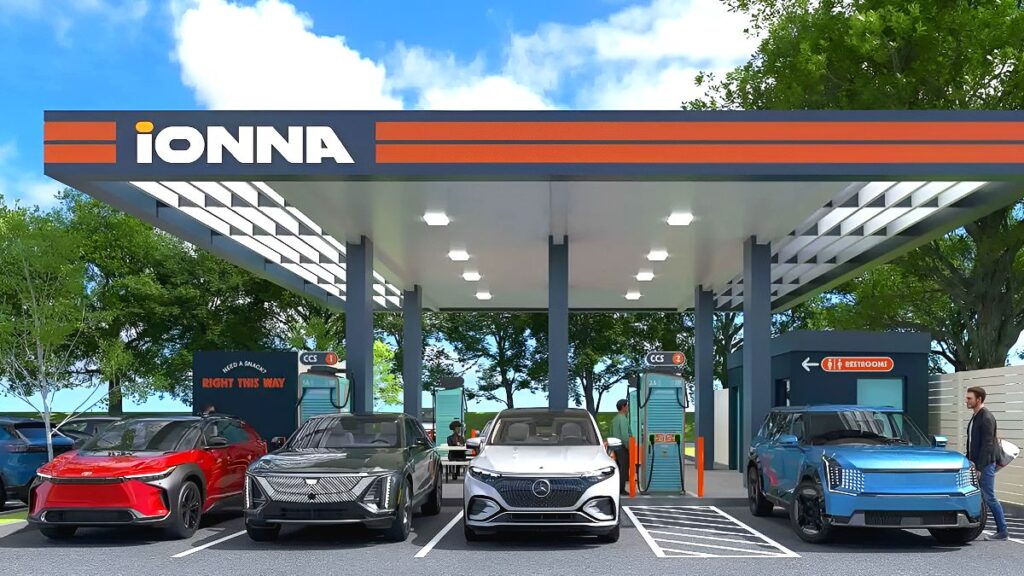
IONA is focused not just on increasing charger counts but on elevating the overall charging experience—pairing charging hubs with customer amenities such as restrooms and food and beverage options.
Tesla’s dominance tested? Consumers could be the winners
Tesla’s Supercharger network still commands a dominant position in North America, accounting for more than half of the U.S. high‑speed charging infrastructure.
But continued, aggressive investment by the automaker alliance—backed by deep pockets and a broad vehicle lineup—could gradually erode Tesla’s lead.
For consumers, the emergence of strong competitors that drive service and infrastructure improvements is preferable to a single company’s monopoly.
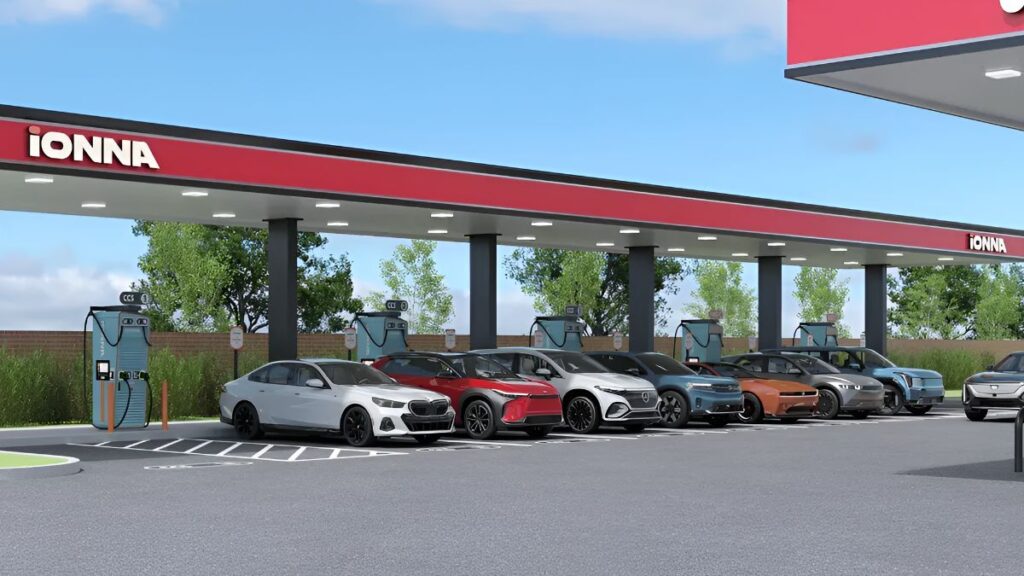
This race for charging‑network leadership should help ease range anxiety for potential buyers and accelerate EV adoption.
The market will be watching to see whether automakers’ fierce competition over infrastructure ultimately translates into greater convenience for consumers.











Most Commented