
Why Hybrid Cars Are the Smartest Buy in 2026: A Deep Dive into the Latest Market Trends
Daniel Kim Views
Translation result
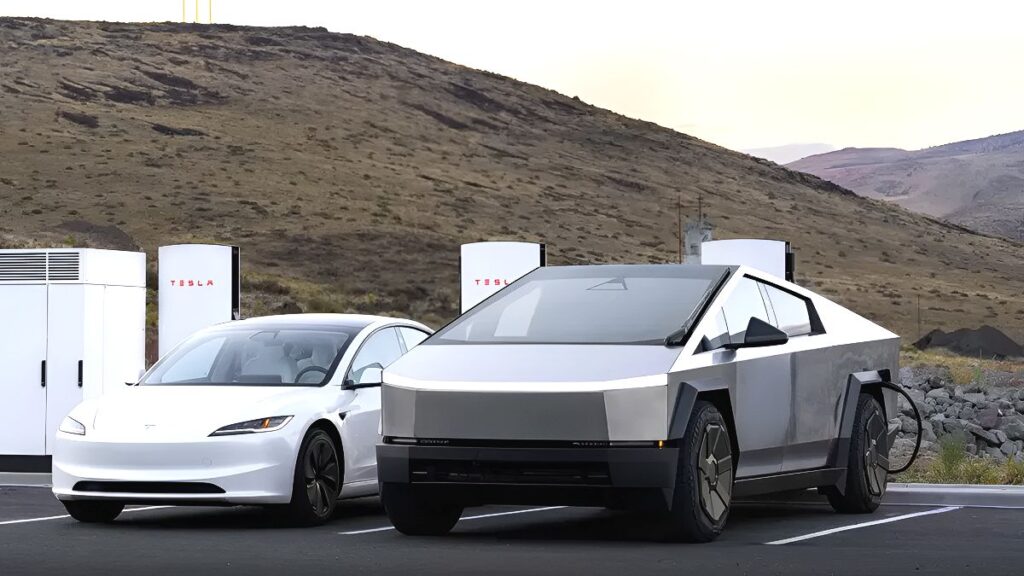
“The idea that buying an electric vehicle today would be a losing move is no longer just industry talk — it’s becoming reality.” Automakers’ once-confident push for an all‑EV future has backfired, producing massive writedowns and forcing a strategic rethink across the sector.
With charging networks underdeveloped and subsidies being rolled back, consumer demand for battery‑electric vehicles has slowed. Companies that bet heavily on EVs are now pulling back, restructuring operations and refocusing sales toward HYBE‑led models to stabilize margins.
93.3 trillion KRW (about 70 billion USD) wiped out — Honda hit with loss shock after 70 years
Recent international reports show that impairment charges tied to scaled‑back EV programs and canceled investments exceeded $70 billion over the past year — a number that translates to roughly 93.3 trillion KRW (about 70 billion USD). These writeoffs represent staggering sunk costs for the industry.
Japan’s Honda was among the hardest hit. The company abruptly canceled three battery‑electric models earmarked for North America, triggering restructuring charges of as much as $15.7 billion.
The charge leaves Honda facing the real prospect of its first annual net loss since it listed in the 1950s. Major European manufacturers have also posted hundreds of millions to billions in writeoffs, deepening skepticism about the pace of electrification across global markets.
Hyundai sounds the alarm — HYBE models seen as the fallback
The EV slowdown has put South Korea’s leading automakers — Hyundai and Kia — on notice. With battery‑electric demand flattening, both companies have shifted sales strategies to emphasize HYBE‑centered models to protect profitability.
Last year, Hyundai and Kia together sold about 247,000 eco‑friendly vehicles in the domestic market, with HYBE models the primary driver of that growth.
Pure battery‑electric sales, by contrast, have decelerated noticeably. Industry sources say automakers are urgently converting production lines to prioritize HYBE vehicles as EV inventories build and companies race to defend margins.
“What should I buy to regret less?” — buyers weigh practical options
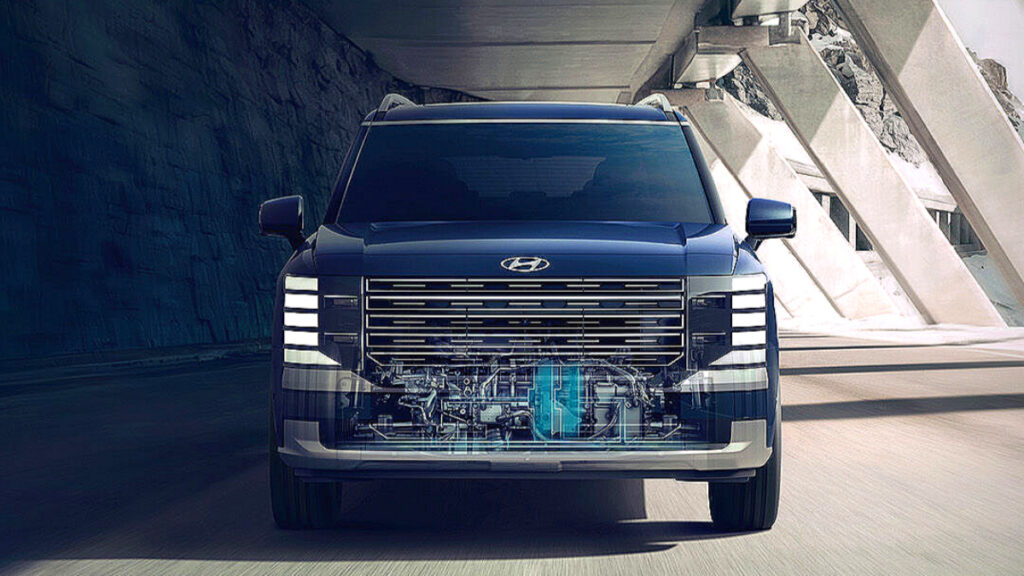
As manufacturers incur heavy penalties and writeoffs to unwind EV investments, shoppers considering a new car face a more complex decision.
Analysts say a HYBE model — offering a balance of economy and everyday practicality — is the safest choice for buyers seeking to minimize the risk of regret.
Battery‑electric cars still carry charging anxiety for many drivers and have shown sharper depreciation in the used‑car market, raising concerns about near‑term financial loss.
HYBE vehicles, by contrast, combine the convenience of internal combustion with markedly improved fuel efficiency, making them a pragmatic option during this market transition.
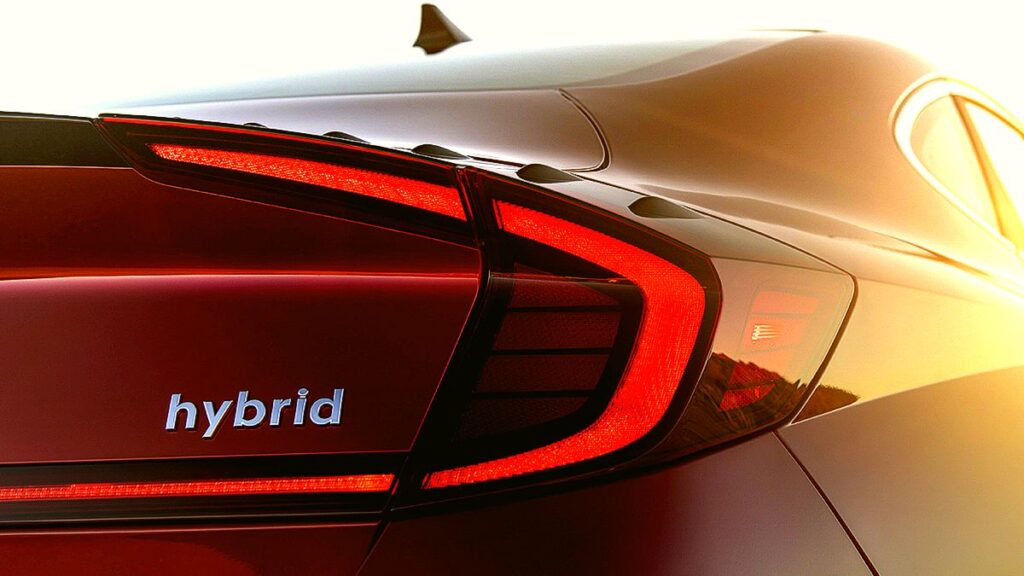
In short, the industry’s costly miscalculations — amounting to tens of trillions of KRW — have handed consumers a clear, practical guide: choose the vehicle that best fits today’s market realities.











Most Commented