
How Nvidia’s DRIVE Hyperion is Transforming China’s BYD and Nissan into Autonomous Driving Giants
Daniel Kim Views
Translation result
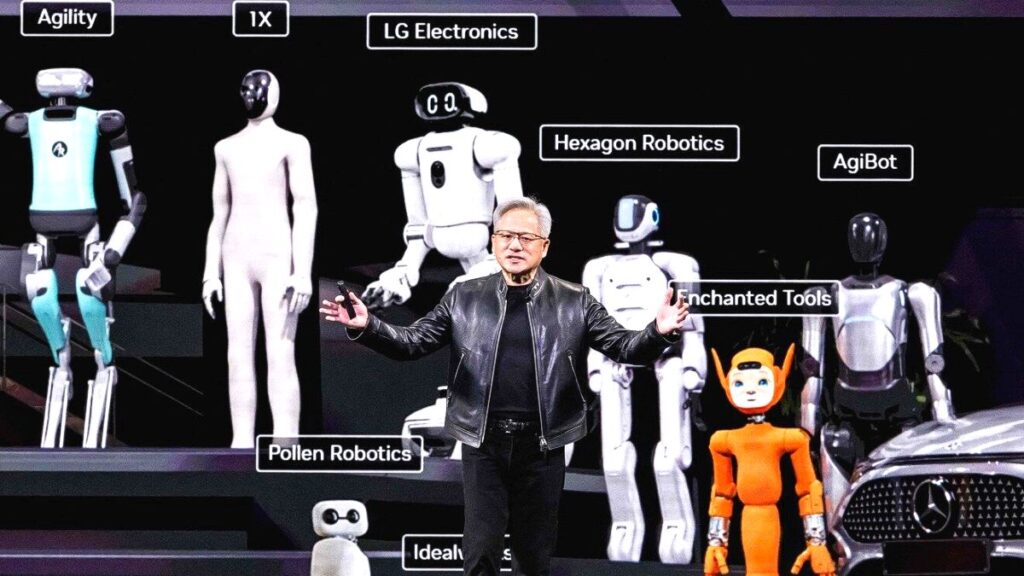
Power in the future mobility market is shifting away from companies that melt steel to build bodies and toward tech giants that forge AI “brains” from silicon.
We assumed automakers such as Tesla and BYD were locked in a fierce race for self-driving supremacy. When the dust settled, however, the real winner proved to be the quiet platform builder: Nvidia.
Chinese and Japanese cars implanted with Nvidia’s ‘brain’
Major international outlets and industry sources say Nvidia recently announced that global automakers—including BYD, Geely, Nissan and Isuzu—are developing next-generation Level 4 autonomous vehicles on its DRIVE Hyperion platform.
DRIVE Hyperion is not just a chip. It’s a turnkey autonomous-driving stack that bundles high-performance compute, sensors and software architecture into a single, integrated solution.
In the past, automakers had to spend staggering R&D sums—trillions of KRW (approximately 750 million USD per trillion KRW)—and invest decades to develop proprietary self-driving systems.
Today, by tapping Nvidia’s platform, a carmaker can accelerate the rollout of world-class Level 4 vehicles in a fraction of the time.
Analysts warn this could reduce automakers to little more than hardware assemblers—mere shells that ship Nvidia’s software.
It’s a replay of the smartphone era, when device makers became dependent on Google’s Android ecosystem.
Hyundai’s independent path raises alarm as the tech gap narrows
The expansion of Nvidia-led partnerships poses a costly and existential threat to South Korea’s Hyundai Motor Group.
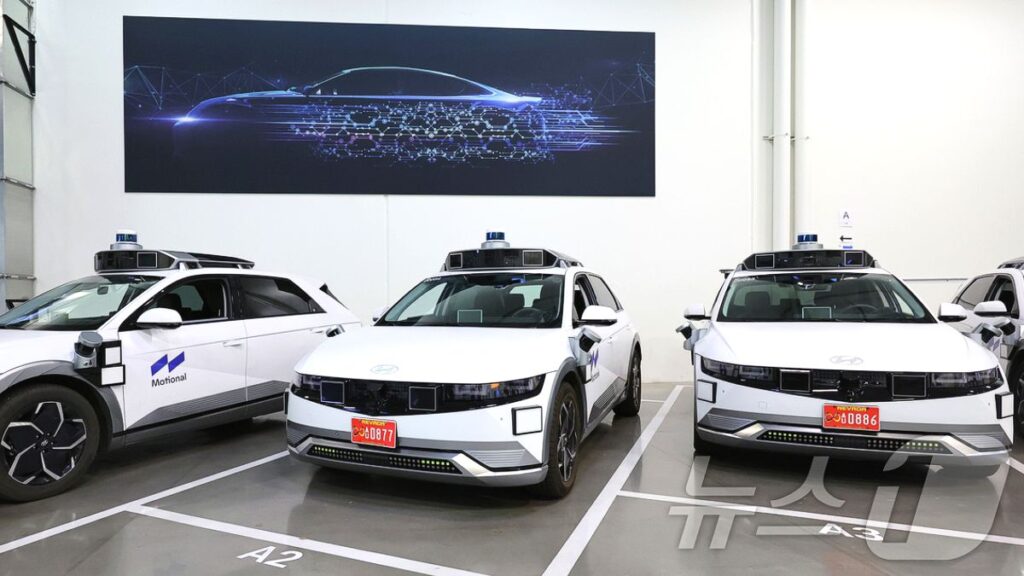
Hyundai has acquired 42dot and poured heavy capital into Motional, betting its future on building a self-reliant SDV (software-defined vehicle) and an in-house autonomous-driving ecosystem that spans hardware and software.
That urgency comes from a fear: rely on someone else’s “brain” and you risk becoming a subcontractor.
The hurdles, however, are speed and cost.
While Hyundai pours vast sums into achieving independence, fast-moving rivals like BYD and legacy competitors like Nissan are simply buying finished solutions from Nvidia and preparing to flood the market with Level 4 vehicles.
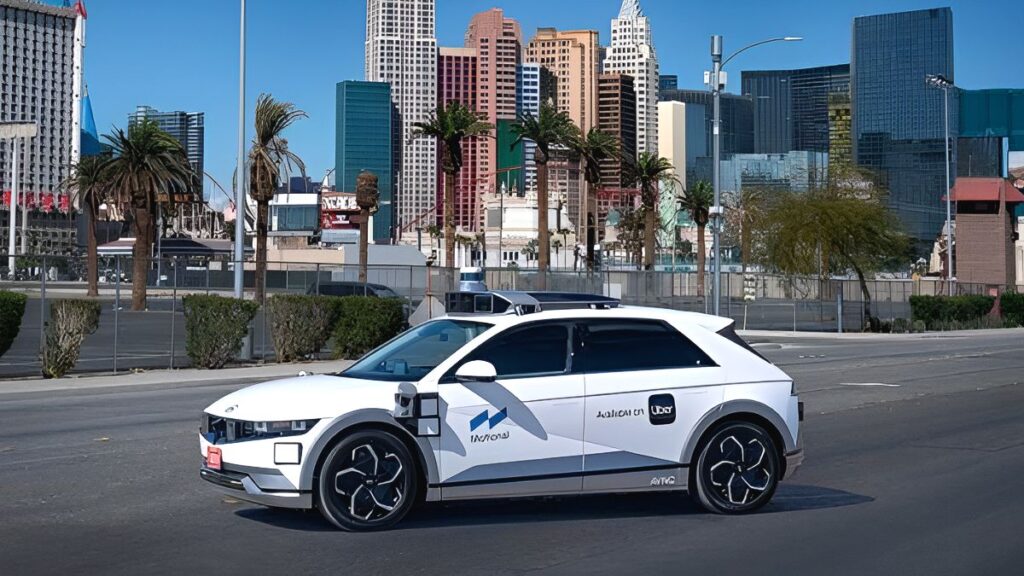
No matter how strong Hyundai’s in-house tech becomes, it faces a double challenge: proving technical superiority while also matching the price and scale of Nvidia’s universal ecosystem and massive compute power.
In the autonomous era the real threat isn’t a rival’s flashy new model—it’s the commoditization of technology, where top-tier self-driving systems become something any well-funded player can buy.
Having chosen the difficult road of independence, Hyundai now faces a grueling test: can it break out of the encirclement built by global big-tech platforms?












Most Commented