
Translation result.
The auto market’s long-held maxim — “electric cars save you money the more you drive because they don’t use gas” — is collapsing.
U.S. lawmakers are starting to bill owners of eco-friendly vehicles directly for road use to replace gasoline-tax revenue once generated by internal-combustion vehicles.
The true cost of ownership (TCO), long masked by sticker prices, is coming into view and sending shockwaves through the global auto market.
Electric cars: $250 a year (about 333,333 KRW) · hybrids: $100 (about 133,333 KRW) bill
Major outlets report the U.S. House Transportation Committee is advancing a bill to levy separate fees on electric and hybrid vehicle owners to bolster the Federal Highway Trust Fund.
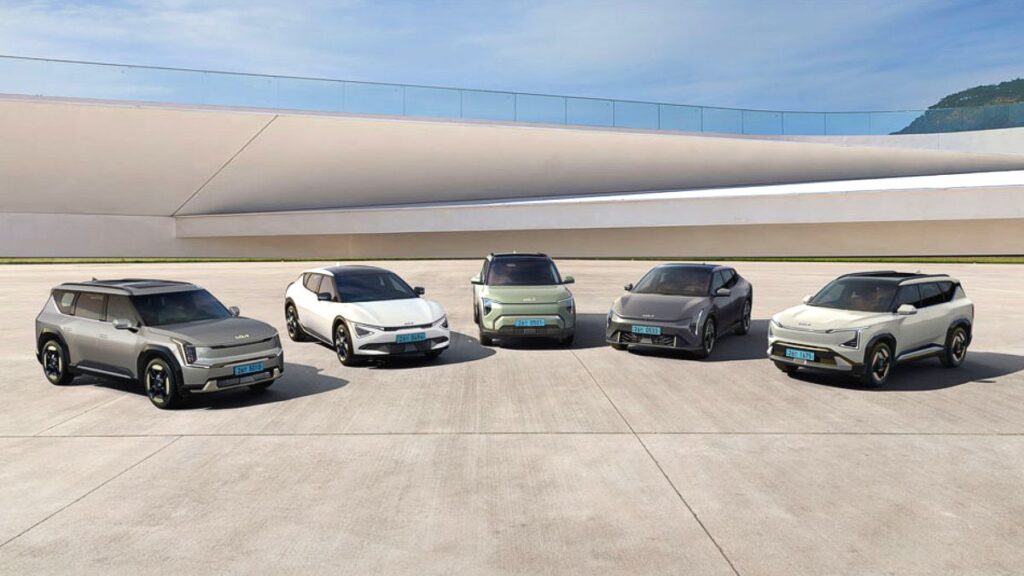
Lawmakers say the proposal aims to address a structural mismatch: as eco-friendly vehicles increase, gasoline-tax revenue dedicated to road repairs is shrinking.
Last year, Republican lawmakers floated guidelines that would charge electric vehicles $250 a year (about 333,333 KRW) and hybrid vehicles $100 a year (about 133,333 KRW).
Over five years, an EV owner would face roughly $1,250 (about 1,666,667 KRW) in added road-use fees — an unexpected $1,250 hit on top of vehicle costs (about 1,666,667 KRW).
TCO’s betrayal: The maintenance-cost illusion collapses
The policy shift creates a strong psychological barrier for consumers already hesitant about going electric.
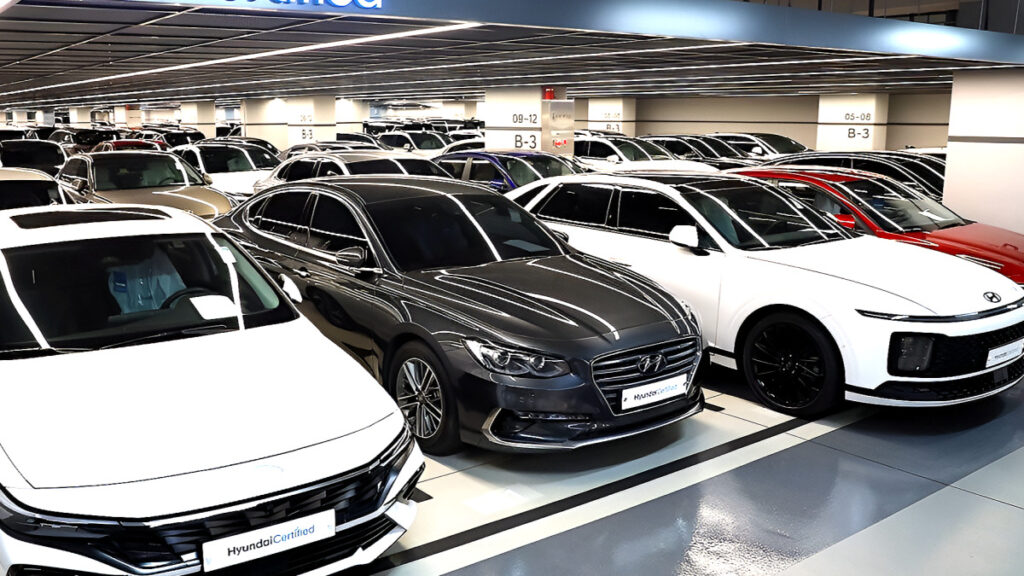
Analysts say EVs’ economics are deteriorating when viewed through the lens of total cost of ownership from purchase to resale.
Rising charging fees and heavier battery packs have already pushed EV insurance premiums to be, on average, more than 20% higher than for internal-combustion vehicles.
Add annual road charges of several hundred dollars, and the core EV sales pitch — a higher upfront price offset by lower running costs — starts to lose its force.
U.S.-focused Hyundai: Warning lights as eco-car push faces headwinds
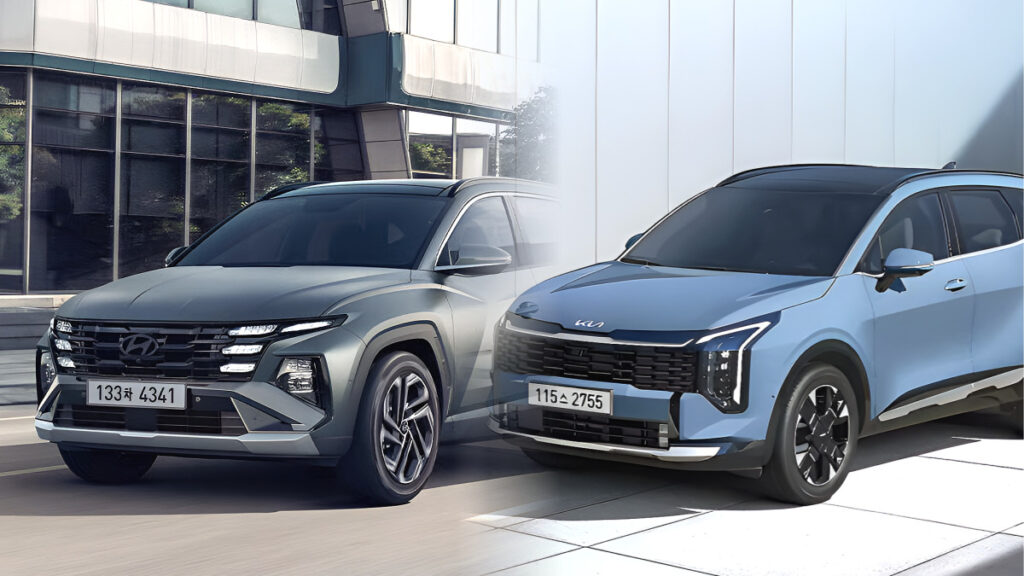
The push to introduce road-use fees in the U.S. is a painful development for Hyundai Motor Group, which has aggressively grown its U.S. share by selling electric and hybrid models.
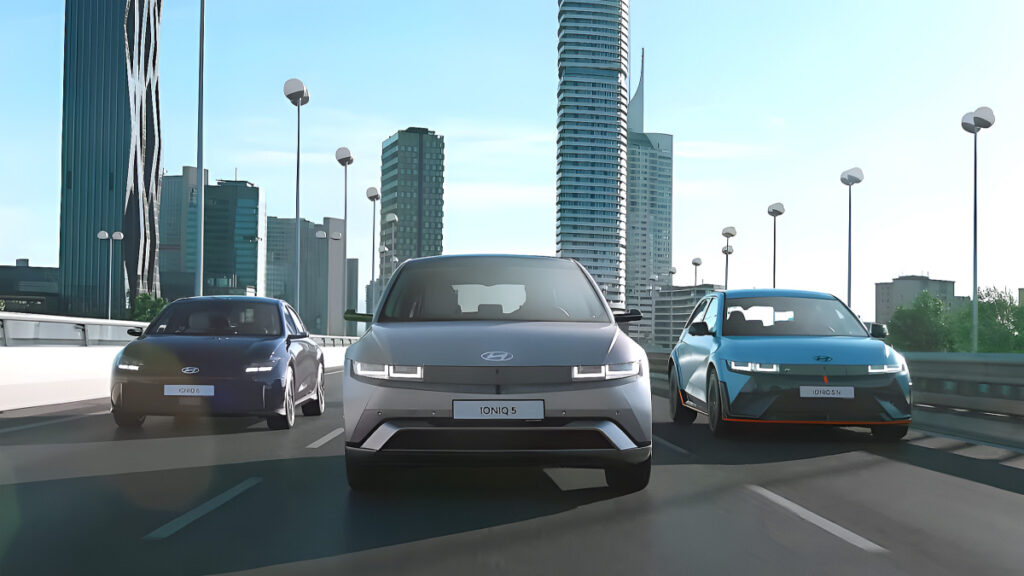
Hyundai and Kia have driven growth in the U.S. by promoting Ioniq models, the Tucson and Sportage, and hybrid variants — lifting their eco-friendly market share to record levels.
But if annual fixed fees of several hundred dollars become standard, value-focused buyers who chose Hyundai for its cost advantages could pull back.
Industry insiders say that as running-cost advantages shrink, some consumers may revert to cheaper internal-combustion cars or shift demand toward rentals and leases.
Ultimately, automakers face a steep hurdle: unless they substantially lower EV sticker prices or deliver dramatic improvements in efficiency, convincing buyers that TCO won’t rise will be difficult.
The global auto market at the EV turning point has moved beyond a pure technology race — manufacturers must now persuade consumers’ wallets as much as showcase tech.













Most Commented