
Toyota’s Bold Move: How Green Steel is Transforming EV and Hybrid Production by 2025
Daniel Kim Views
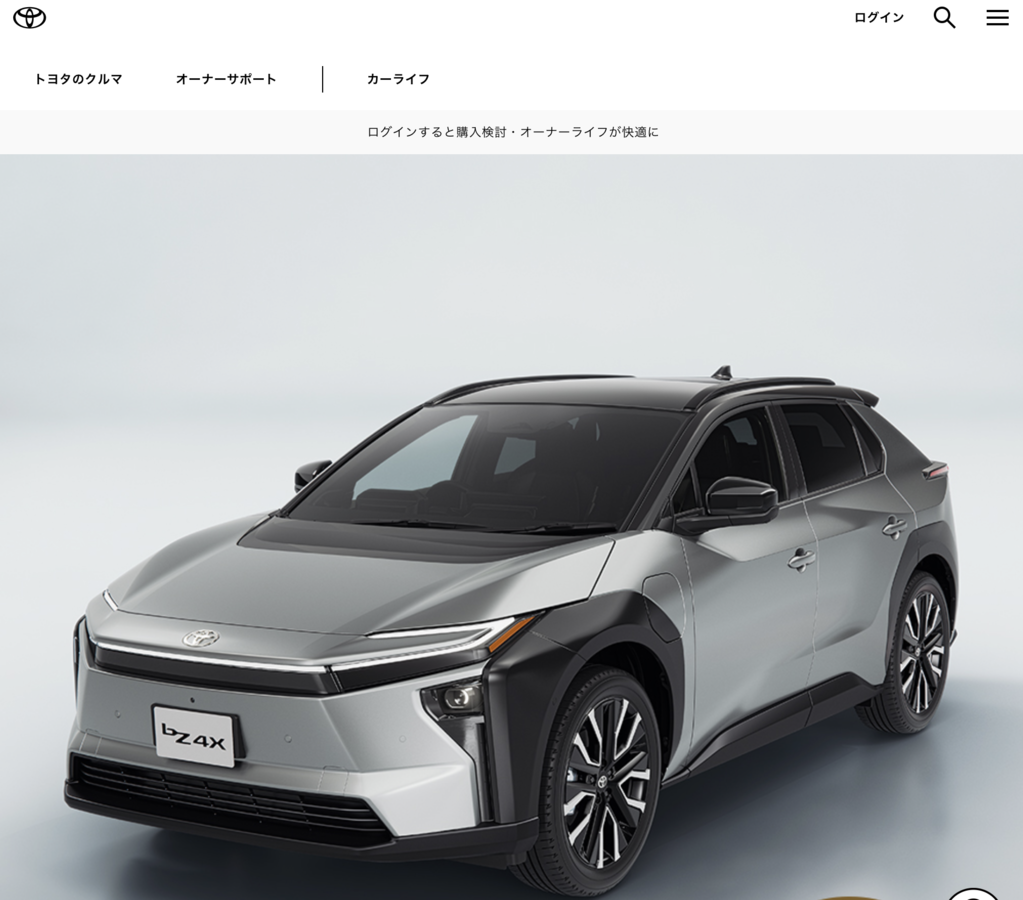
Toyota Motor Corporation has begun sourcing eco-friendly green steel from three major steel companies, including Nippon Steel (5401 JP), according to a recent report by the Nikkei newspaper.
Despite the green steel being approximately 40% more expensive than conventional products, Toyota believes it can offset consumer costs through government subsidies. This initiative is expected to drive environmental investment, considering that the steel industry accounts for 40% of Japan’s total industrial CO2 emissions.
Green steel is recognized as a low-carbon product due to its production process, which allocates actual CO2 reductions achieved through improved steelmaking methods. Notably, switching from coal-fired blast furnaces to electric arc furnaces can slash CO2 emissions by about 75%.
Toyota plans to start purchasing green steel from Nippon Steel, JFE Steel, and Kobe Steel (5406 JP) by the end of 2025. Companies that purchase this steel can obtain documentation certifying their CO2 reductions, which can be applied to their own emissions reduction targets.
The Japanese government has launched a program this year to support plug-in hybrid and electric vehicles using green steel, offering subsidies of up to 50,000 JPY (approximately 335 USD) per vehicle. Toyota aims to minimize consumer price burdens by incorporating green steel into components for these vehicles, leveraging the available subsidies.
Toyota’s adoption of green steel follows similar moves by Nissan (7201 JP) and Isuzu (7202 JP) in the automotive industry. As the world’s leading automaker by sales, Toyota’s decision is expected to have significant ripple effects across various industries.
Nissan became the first major Japanese automaker to introduce green steel into mass-production models in fiscal year 2022. In late January 2026, JFE Steel announced that Nissan’s new Leaf model would incorporate green steel. Nissan plans to increase its use of green steel fivefold by fiscal year 2025 compared to fiscal year 2023.
Isuzu also announced plans to adopt green steel for electric truck components starting this April. However, the exact amount of green steel sourced by Toyota from the three suppliers has not been disclosed.
Traditionally, automotive steel production has relied on the blast furnace method, which extracts high-purity iron by removing oxygen from iron ore. This process consumes vast amounts of coal as fuel and reducing agents, resulting in significant CO2 emissions. To achieve a low-carbon society, a fundamental change in the steelmaking process is necessary.
Steel companies are expanding investments in electric arc furnaces as an alternative to blast furnaces. Nippon Steel has operated an electric furnace with an annual production capacity of 700,000 tons at its Setouchi Steelworks since 2022. JFE Steel plans to introduce electric furnaces in the Chiba area of its East Japan Steelworks this year.
While there has been a perception that steel scrap contains impurities, making it difficult to produce high-quality steel, recent advancements in electric furnace technology have led to significant improvements. Nippon Steel has achieved quality equivalent to that of conventional blast furnace products in high-end steels used in electric vehicle motors.
Nippon Steel plans to invest 868.7 billion JPY (approximately 5.82 billion USD) to establish new electric furnaces at three locations in Japan, with a total annual production capacity of 3 million tons, set to begin operations in fiscal years 2028-2029. JFE Steel also plans to invest 329.4 billion JPY (approximately 2.21 billion USD) to convert its blast furnace at the West Japan Steelworks into a large electric arc furnace with an annual capacity of 2 million tons, expected to start operations in fiscal year 2028.
The automotive industry accounts for about 50% of the total general steel consumption in Japan’s manufacturing sector. The adoption of green steel by Toyota, the largest consumer, is expected to trigger broader acceptance of green steel across various industries, including construction, according to Nikkei.










Most Commented