
Harnessing Solar Power While Parked
Solar EVs: A Practical Reality?
Boosting Range by Up to 23 km Daily
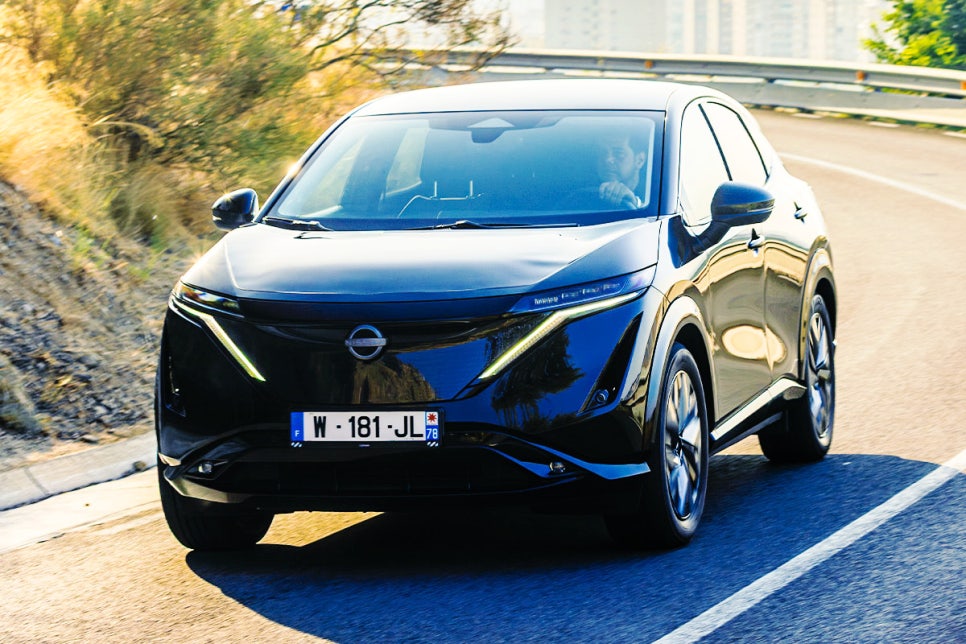
Nissan Ariya – Source: Nissan
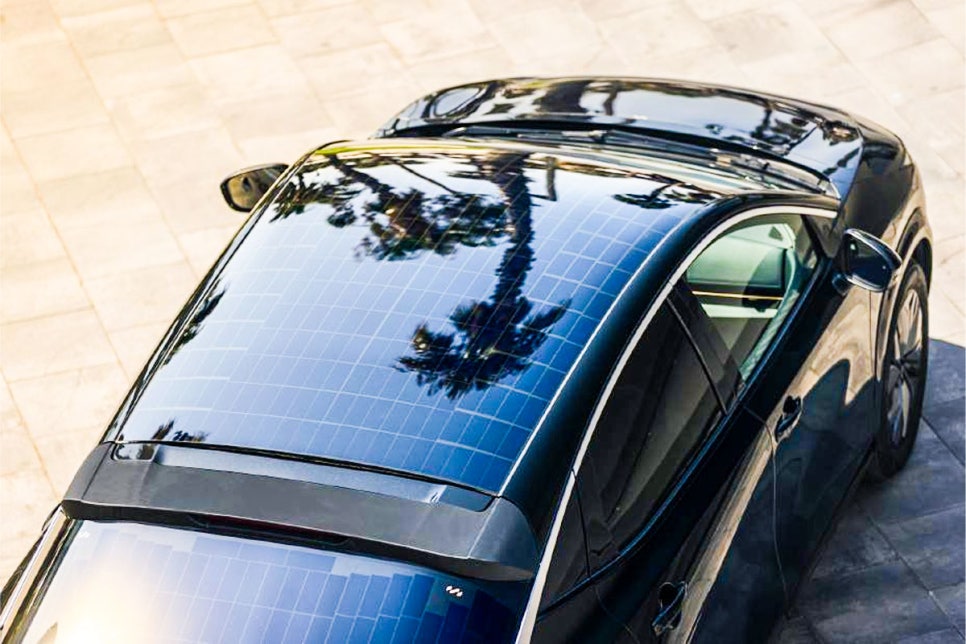
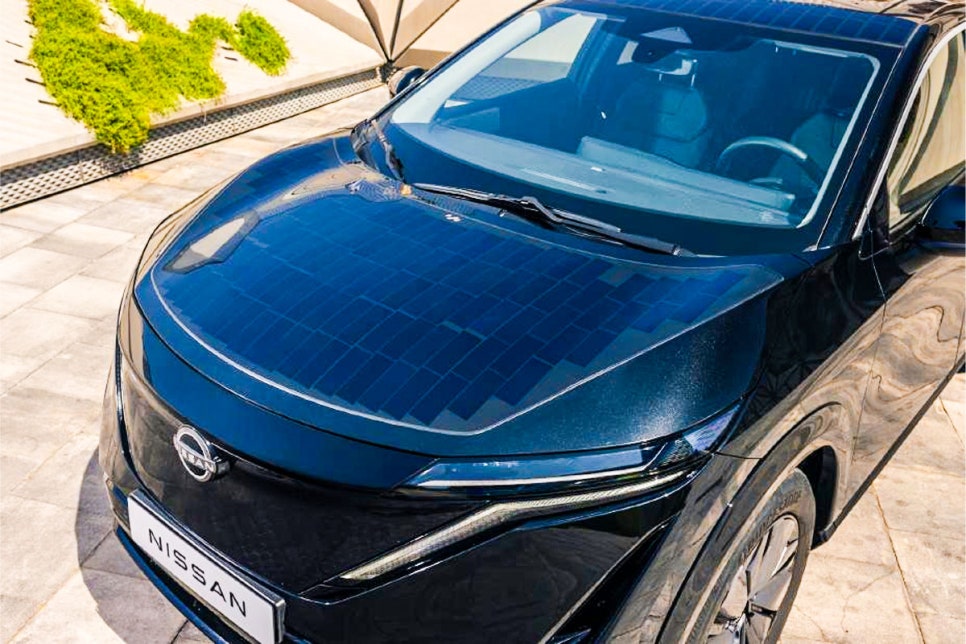
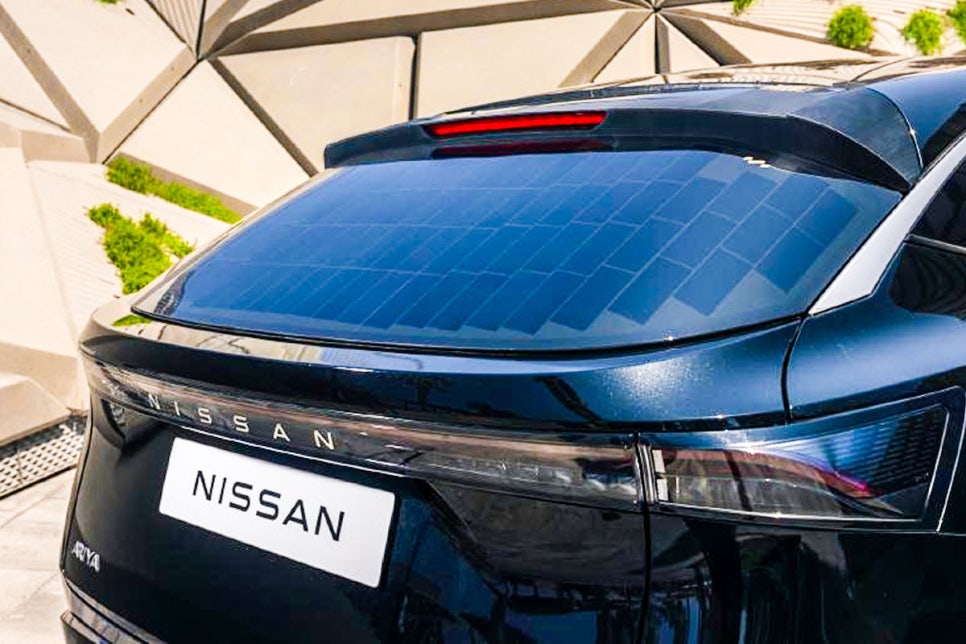
Nissan has unveiled an innovative concept version of its all-electric SUV, the Ariya, featuring integrated solar panels. This cutting-edge vehicle boasts solar technology on its hood, roof, and tailgate, enabling it to charge its battery without relying on external power sources.
Under ideal sunlight conditions, the solar-equipped Ariya could theoretically add up to 23 km (14.3 miles) of driving range per day. In real-world scenarios, Nissan estimates it could provide about 21 km in sun-drenched Dubai and roughly 10 km in cloudier climates like London.
Small Gains, Big Implications
The Promise of ‘Free’ Electricity
Nissan Ariya – Source: Nissan
Nissan’s tests revealed that after a two-hour, 80 km drive on a clear day, the solar panels generated about 0.5 kWh of electricity. While this translates to only about 3 km of additional range, the significance lies in its ability to harness energy without plugging in.
The automaker projects that drivers could reduce their charging frequency by 35% to 65% annually, depending on driving habits and parking situations. Those with shorter commutes and frequent outdoor parking would see the most benefit from this technology.
Teaming Up with Lightyear
Reviving a ‘Failed’ Technology
Nissan Ariya – Source: Nissan
This project is the result of a collaboration with solar EV startup Lightyear. Despite Lightyear’s setbacks in mass-producing its own solar-powered vehicle, the company’s solar efficiency technology is widely regarded as industry-leading.
The Ariya concept incorporates about 3.8 square meters of solar panels. The electricity generated is stored directly in the battery as DC power. Nissan emphasizes that this demonstrates the potential for vehicles to become self-sustaining energy producers.
Not Ready for Production
But Charting a Clear Path Forward
Nissan Ariya – Source: Nissan
While Nissan has no immediate plans to launch a production EV with integrated solar panels, the company is exploring related technologies.
In Japan, Nissan is considering an accessory called the ‘Ao-Solar Extender’ for its compact Sakura EV. This roof-mounted solar panel could potentially add up to 3,000 km of driving range annually through solar power alone.
Although solar EVs haven’t gained widespread traction due to cost and efficiency concerns, the Ariya concept suggests that this technology is evolving from “impossible” to “inevitable.” Nissan views this not as a mere experiment, but as a crucial step in its broader vision for the future of electric mobility.
















Most Commented