
Here is the translated content with numerical and financial data converted:
● Decreased from the previous month but up 37.6% year-over-year… The real story behind January’s imported car market
● Internal combustion sedans climb bestseller lists amid EV surge
● ‘Base models’ emerge as the sweet spot in premium sedan market
Greetings, auto enthusiasts.
This is Uniji from Yukapost, your go-to automotive influencer.
What’s driving consumer choices in the imported car market – cutting-edge tech or time-tested reliability? January 2026 saw new registrations for imported passenger vehicles dip month-over-month, but rebound significantly year-over-year. Notably, the Mercedes-Benz E200 clinched the top spot in sales, even as EV brands gained ground. This trend begs the question: Are we witnessing a temporary blip or a fundamental shift in import market preferences?
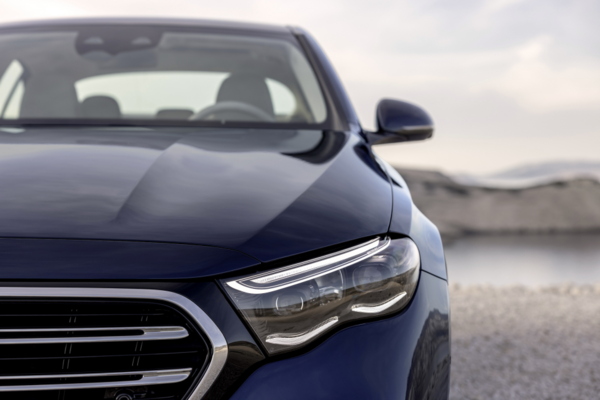
January import market: Numbers down, but trends shifting
The Korea Automobile Importers & Distributors Association reports 20,960 new imported passenger car registrations for January 2026. While this marks a 26.7% decrease from December, it represents a robust 37.6% increase year-over-year. Industry analysts attribute this uptick to a perfect storm of pent-up demand for subsidies, price cuts, and aggressive promotions heating up the import scene.
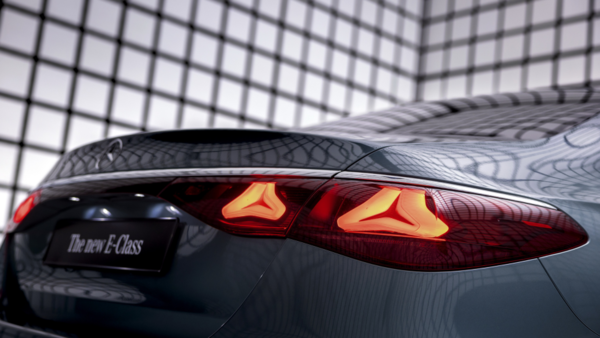
BMW led the pack with 6,270 units, followed closely by Mercedes-Benz at 5,121. Tesla moved 1,966 vehicles, while Lexus registered 1,464, underscoring the continued appetite for electrification and hybrid options.
Chinese EV maker BYD made waves, securing the fifth spot with 1,347 registrations. This newcomer’s rapid ascent signals an increasingly complex competitive landscape in the import market.
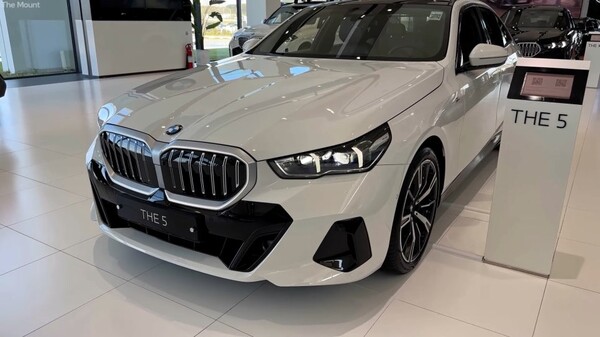
Unpacking the Mercedes-Benz E200’s bestseller status
The Mercedes-Benz E200 claimed the top spot with 1,207 units sold, edging out the BMW 520 (1,162) and Tesla Model Y (1,134). This triumph is particularly noteworthy given the EV boom and emerging brand competition. It suggests that traditional mid-size sedans still resonate strongly with buyers. The E200, positioned as the accessible entry point to the E-Class range, has earned praise for prioritizing core competencies over flashy extras.
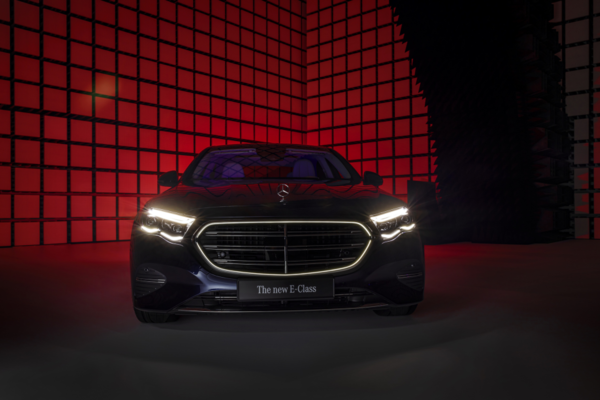
Now in its 11th generation, the E-Class has long set the standard in the premium sedan segment. It’s been a perennial contender, often trading the top sales spot with BMW’s 5 Series in the Korean import market.
Launched in early 2025, the E200 Avantgarde starts at 76,920,000 KRW (approximately 57,690 USD). While not exactly budget-friendly, it’s competitively priced among its imported peers.
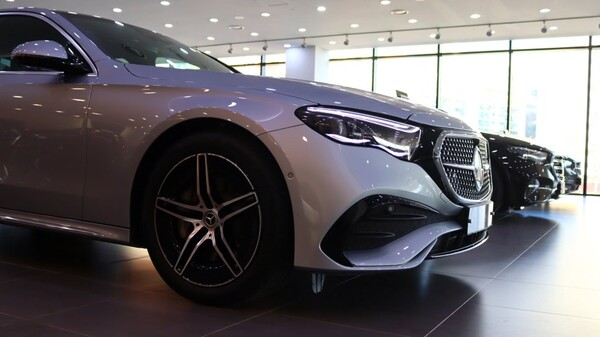
Powertrain: Feel trumps figures… Efficiency and size hit the sedan sweet spot
The E200 packs a 2.0-liter four-cylinder gas engine with a 48V mild hybrid system. It delivers 204 horsepower and 320 Nm of torque. The hybrid setup assists with starts and can provide up to 23 horsepower of extra boost when needed.
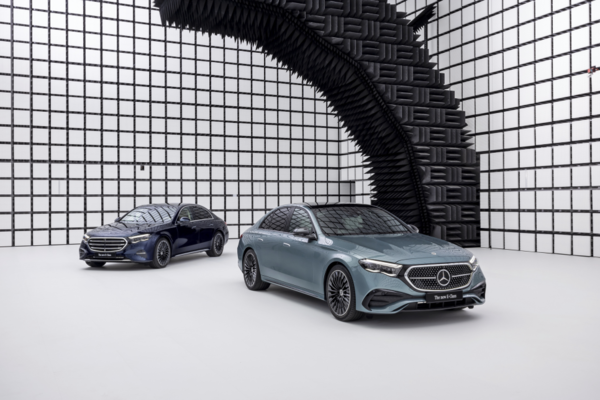
While 0-100 km/h in 7.5 seconds and a 240 km/h top speed might not set pulses racing, the E200 feels plenty capable in real-world driving. For E-Class buyers prioritizing comfort over outright performance, this powertrain hits the mark.
Fuel economy is solid at 12.3 km/L combined (10.6 km/L city / 15.3 km/L highway) – respectable figures for a mid-size luxury sedan. Dimensions are quintessential E-Class: 4,955 mm long, 1,880 mm wide, and 1,475 mm tall, riding on a 2,960 mm wheelbase.
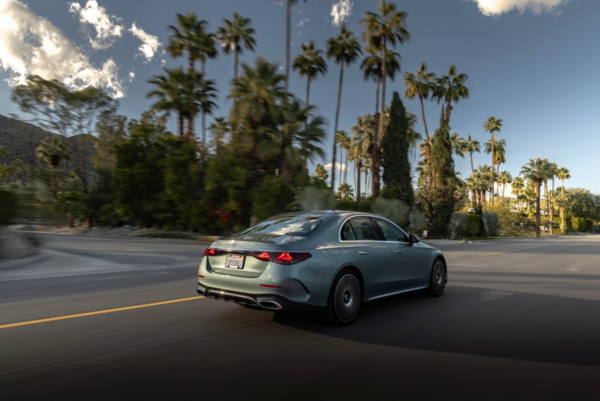
The stretched wheelbase (+20 mm) translates to noticeable gains in passenger space. Rear legroom grows by up to 17 mm, while the back seat is now 1,159 mm wide. Trunk space is class-competitive at 540 liters. It’s a layout that deftly balances daily practicality with long-distance comfort – hallmarks of a well-executed sedan.
Safety and tech: ‘Base model’ punches above its weight… Interior favors refined luxury over flash
Don’t let the ‘entry-level’ tag fool you – the E200 comes loaded with Mercedes’ latest Driving Assistance Package Plus as standard. This suite includes emergency stop assist, brake assist, and lane departure warning. You’ll also find augmented reality navigation, a panoramic sunroof, heated/ventilated front seats, heated rear seats, a power trunk, and auto-park capability – all included. USB-C ports abound front and rear, with wireless phone charging in the center console.
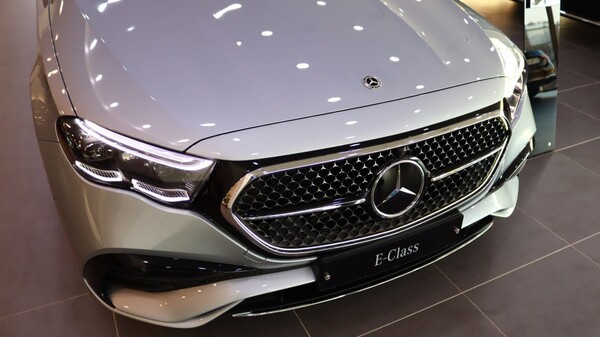
The cabin emphasizes understated elegance over ostentatious displays. A 12.3-inch digital instrument cluster presents speed, RPM, and efficiency data with crisp clarity. It also integrates navigation prompts, helping offset the lack of a head-up display.
A 14.4-inch central touchscreen handles navigation and MBUX infotainment duties. While it lacks the flagship models’ sprawling Hyperscreen setup, the display size and interface are more than adequate. A row of physical shortcut buttons below aids in eyes-on-the-road usability.
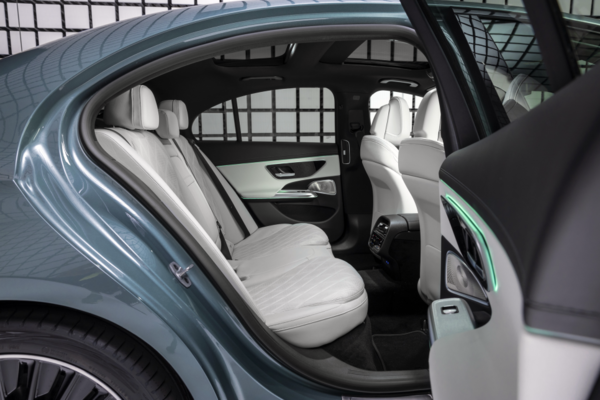
For comparison, the BMW 520 leans into sportier dynamics and more engaging handling. The E200, meanwhile, prioritizes ride quality, refinement, and classic sedan virtues. EVs like the Tesla Model Y excel in tech and efficiency but still face debates over charging infrastructure and driving feel. Against this backdrop, the E200 emerges as a ‘safe bet’ – a choice that won’t turn heads but won’t disappoint, either.
Editor’s Take
Even as electrification and cutting-edge tech dominate headlines, many buyers still gravitate toward the familiar and the proven. The E200’s bestseller status isn’t just a sales triumph – it’s a snapshot of what the import market truly values. Will this trend hold, or is another shift on the horizon? We’d love to hear your thoughts in the comments. Here’s to another great day in the world of cars!













Most Commented