
Hyundai and Kia’s 5-Year Legal Battle Over Theta II Engine Recall: What You Need to Know
Daniel Kim Views
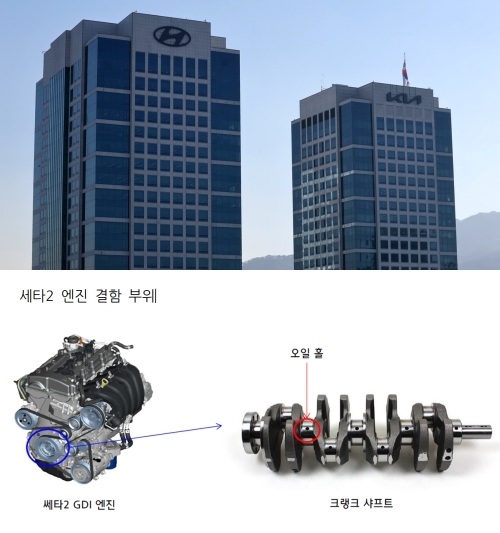
Hyundai Motor Company and Kia’s legal battle over the delayed recall of their ‘Theta II engine’ is set to resume next month. This comes after a five-year hiatus caused by the automakers’ request for a constitutional review, citing ambiguities in recall-related laws. Industry observers anticipate the first-instance verdict to be delivered by early next year at the latest.
According to automotive and legal sources on October 10, the trial concerning the Theta II engine recall is scheduled for the 25th of next month. The defendants include Hyundai and Kia corporations, former Vice Chairman Shin Jong-woon, former Quality Division Chief Bang Chang-seop, and former Head of Quality Strategy Lee Seung-won, all facing charges of violating the Automobile Management Act.
This marks the resumption of the trial after a five-year suspension, which began in 2021 when Hyundai and Kia filed for a constitutional review.
Trial resumes after five years: Risk mitigation vs. reputational damage
The Theta II engine controversy first erupted in 2015 when Hyundai Motor Group recalled vehicles equipped with the engine in the U.S. due to issues such as unexpected engine stalling. The scandal gained significant traction given that the problematic engine was developed in-house by Hyundai.
The engine issues soon spread to the domestic market. In April 2017, Hyundai and Kia recalled over 170,000 vehicles in South Korea fitted with the Theta II engine, citing the risk of sudden engine shutdowns while driving.
However, allegations surfaced that Hyundai and Kia had delayed the recall despite being aware of the Theta II engine defect. Later that year, the Ministry of Land, Infrastructure and Transport referred the case to prosecutors for investigation.
In 2019, prosecutors indicted former Vice Chairman Shin Jong-woon and others for violating the Automobile Management Act, alleging they delayed the recall despite knowing about the Theta II engine defect.
The Automobile Management Act mandates that if a vehicle fails to meet safety standards or has defects that could compromise safety due to design, manufacturing, or performance issues, the manufacturer must promptly disclose this information and take corrective actions upon learning of the defect.
Violating this law by concealing, downplaying, or falsely disclosing defects, or failing to promptly correct known defects, can result in up to 10 years in prison or fines of up to 100 million KRW (approximately $75,000).
Hyundai and Kia argued that the recall requirements in the legal provisions, which mandate penalties for failing to comply with recall obligations, were unclear and thus violated the principle of clarity. This led to their request for a constitutional review, which halted the trial.
However, the Constitutional Court ruled the provisions constitutional late last year, paving the way for the trial to resume. A legal expert noted, “In complex cases involving corporations, the first-instance ruling could take about a year. If the trial begins next month, we expect the verdict by early next year.”
An acquittal could help restore the companies’ image and mitigate risks. Conversely, a guilty verdict could be interpreted as concealing a delayed recall, potentially damaging consumer trust and opening the door for additional compensation claims.
When asked about the trial’s resumption, a Hyundai spokesperson stated, “As this is an ongoing legal matter, we are unable to provide any further comment.”












Most Commented