[DaliGO] is a segment created by reporter Kim Yoon-gyeom, driven by enthusiasm and passion. I’ll share vivid experiences after test-driving new vehicles and provide firsthand insights from construction sites. True to the segment’s name, I’ll work diligently to deliver high-quality information.
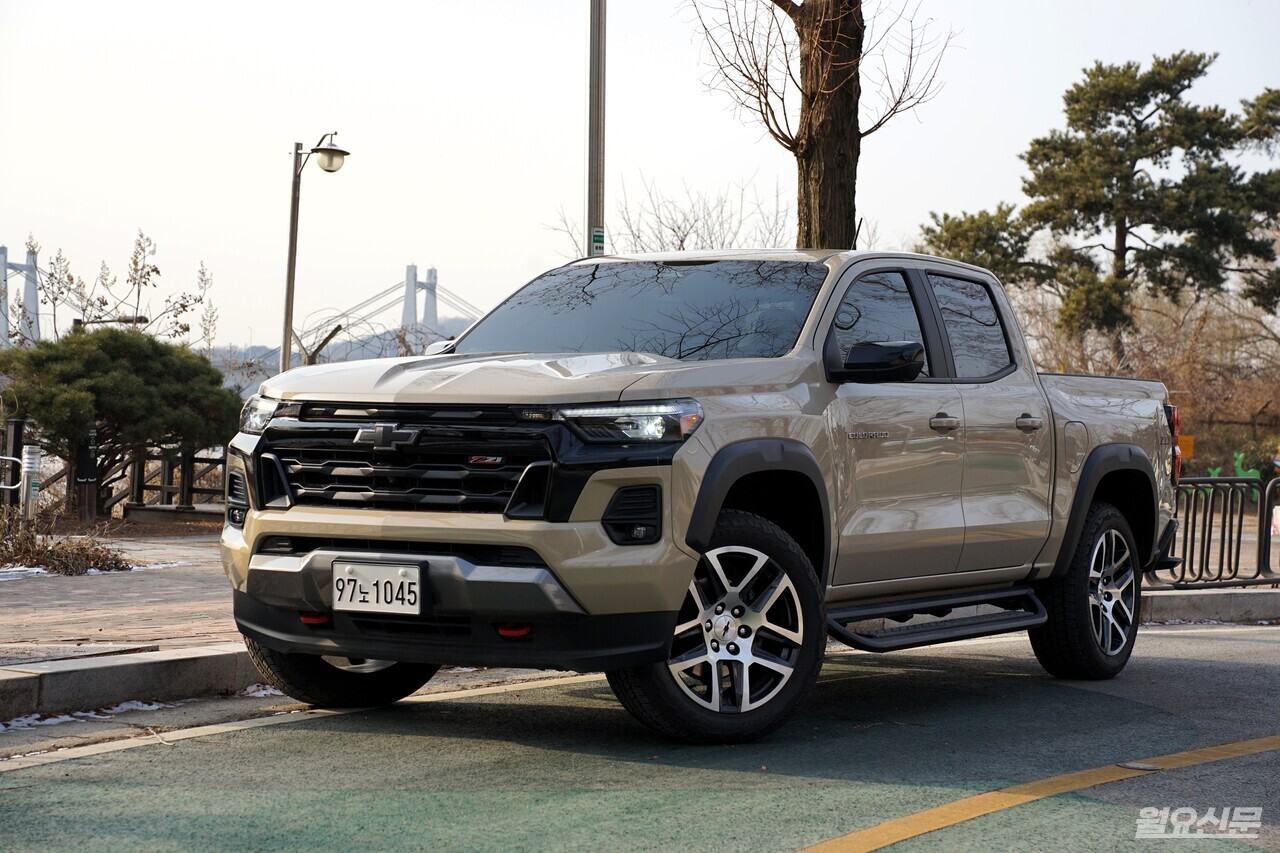
The all-new Colorado, which has revamped its powertrain and vehicle character within the midsize pickup framework, clearly targets both urban daily use and recreational/work applications. Photo: Kim Yoon-gyeom
The Chevrolet Colorado is classified as a midsize pickup in the U.S. market. It offers a more manageable size compared to full-size trucks while catering to both leisure and work needs. Although pickup trucks remain relatively unfamiliar in Korea, the Colorado has consistently offered a balance between everyday drivability and practicality. I took the fully redesigned all-new Colorado for a spin to experience its changes firsthand.
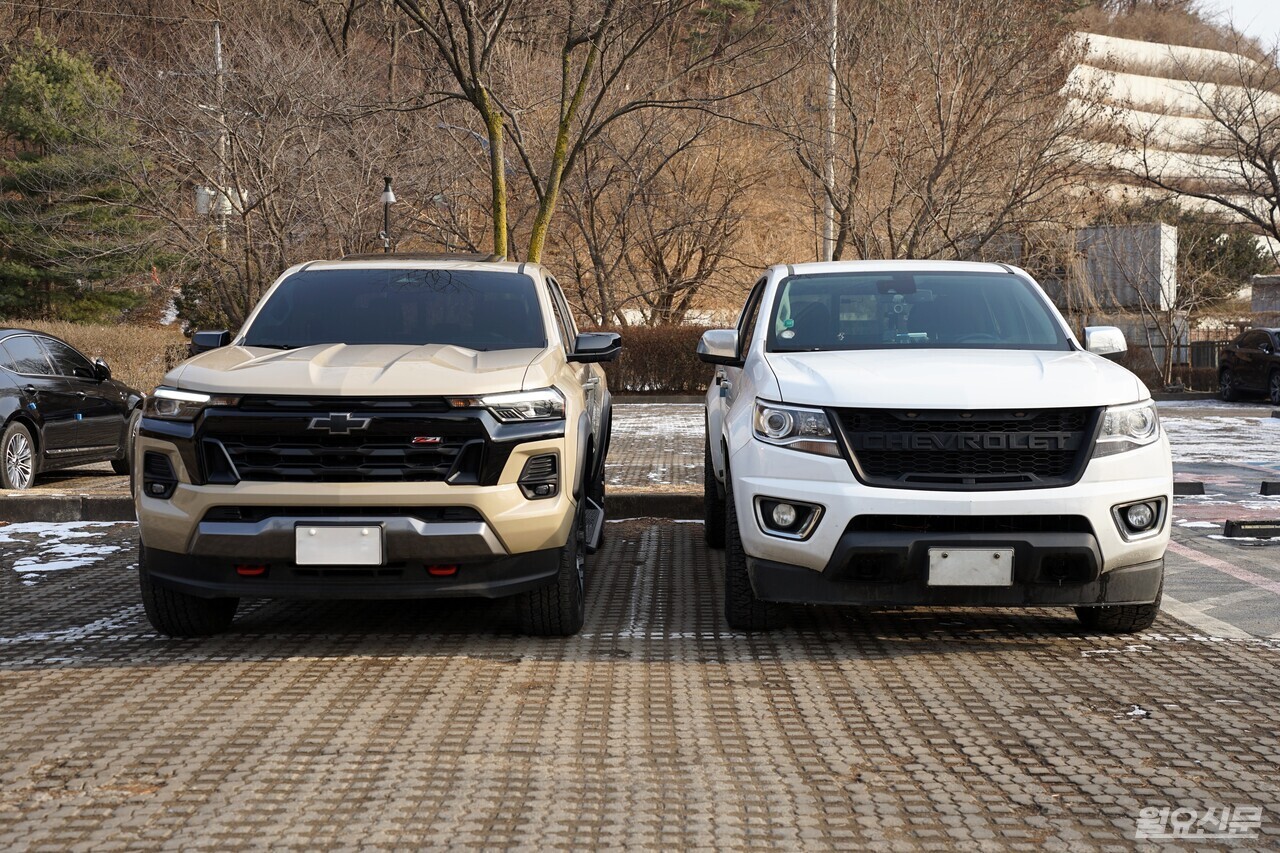
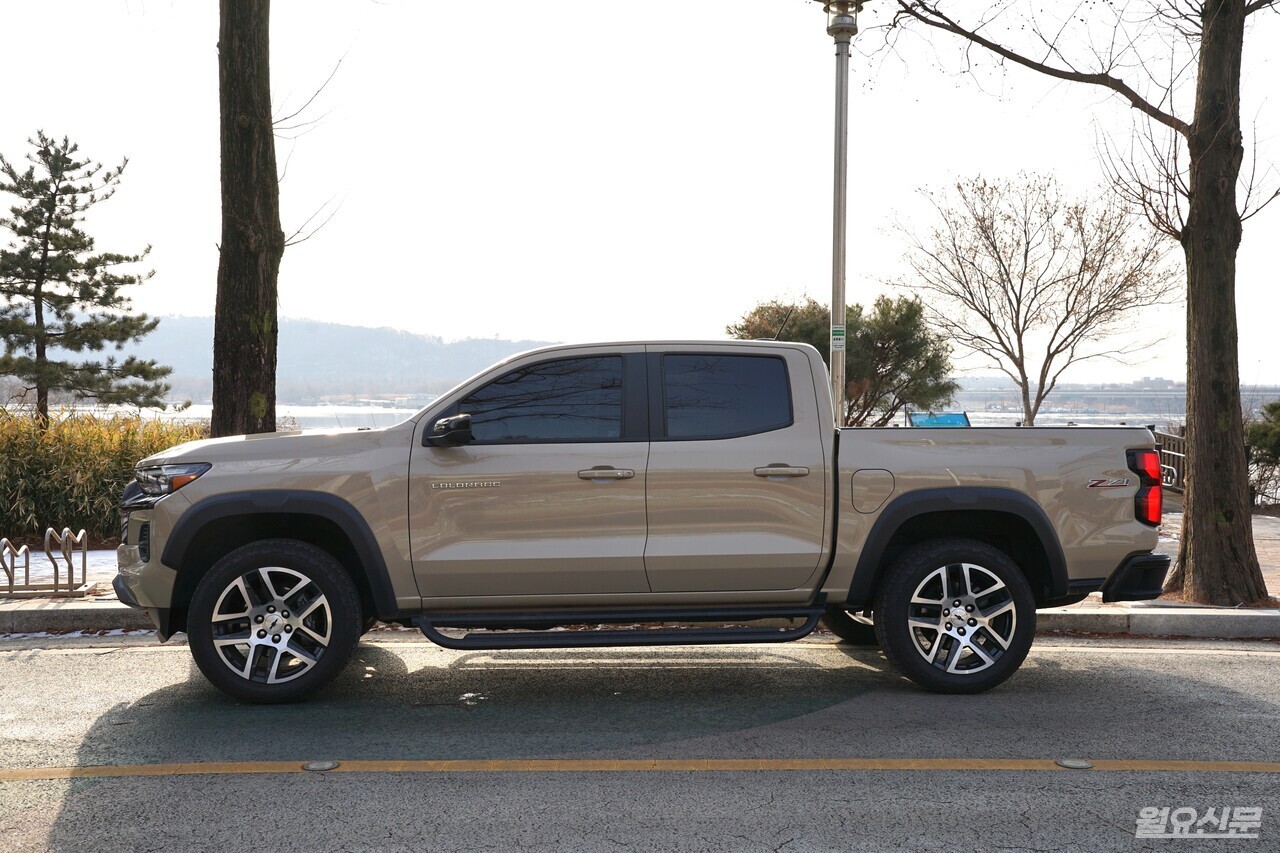
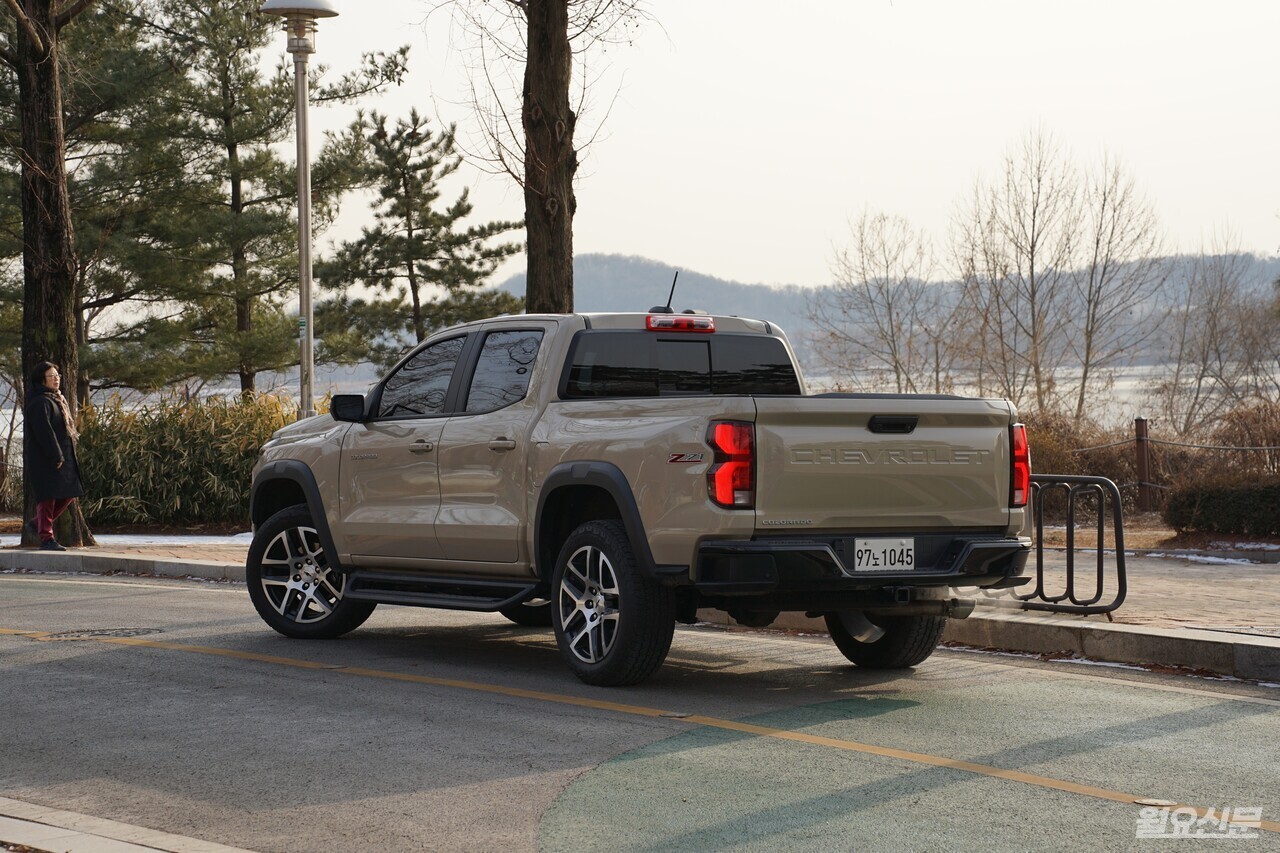
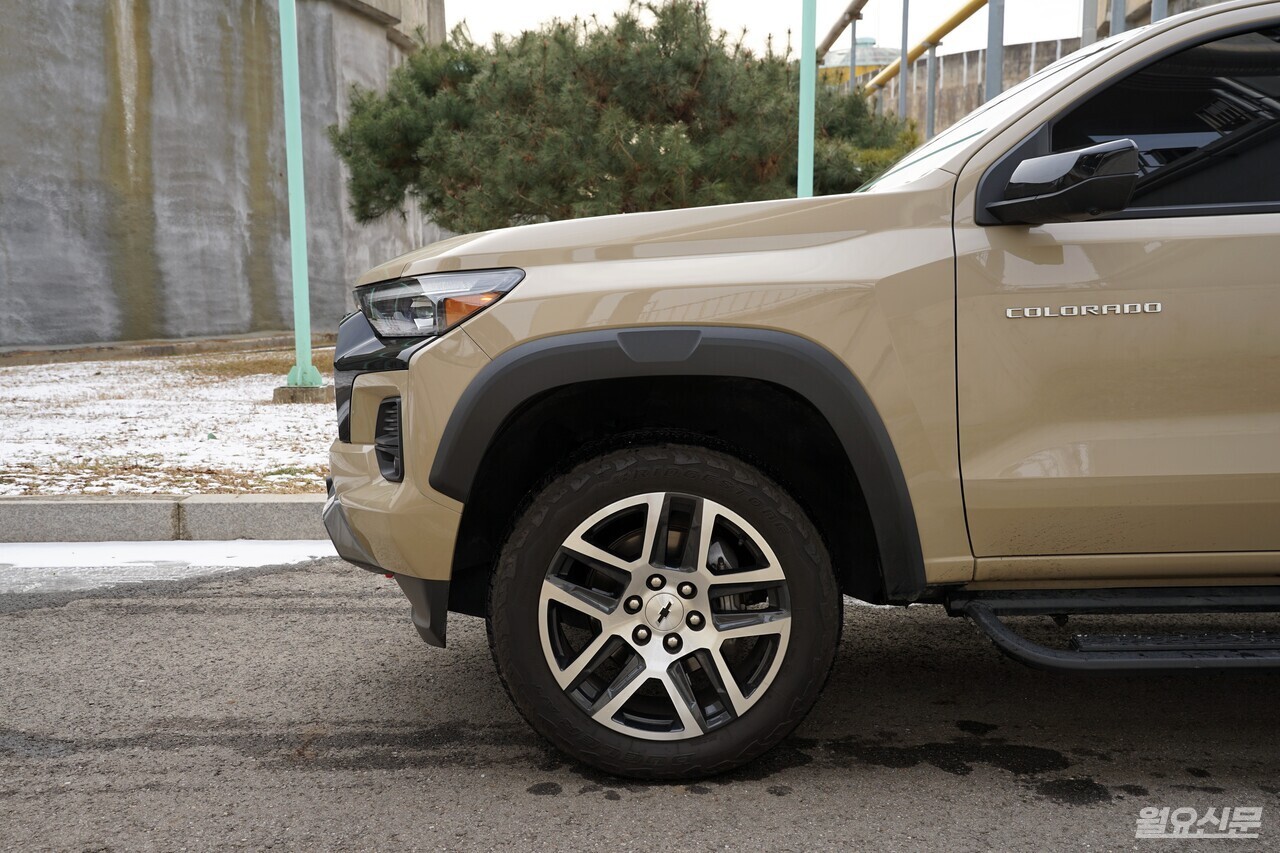
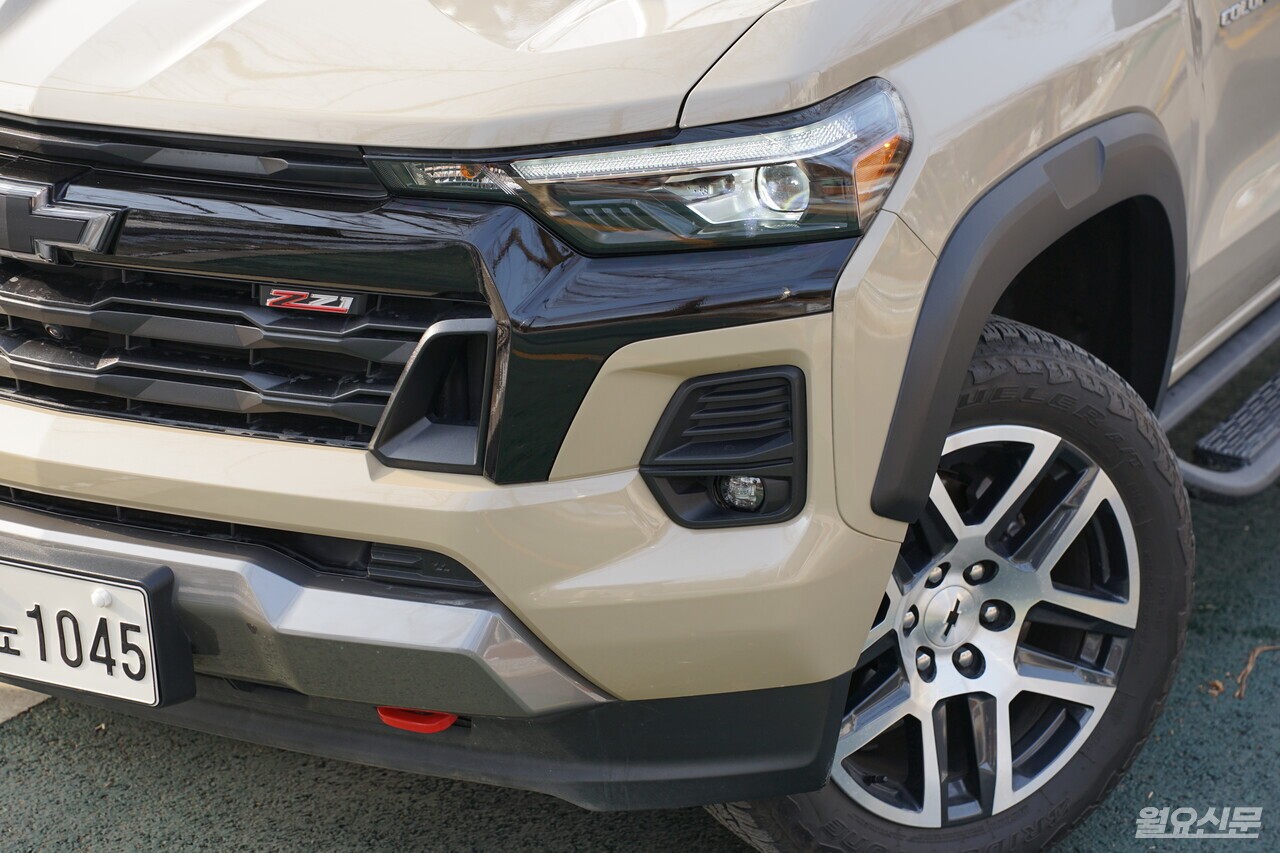
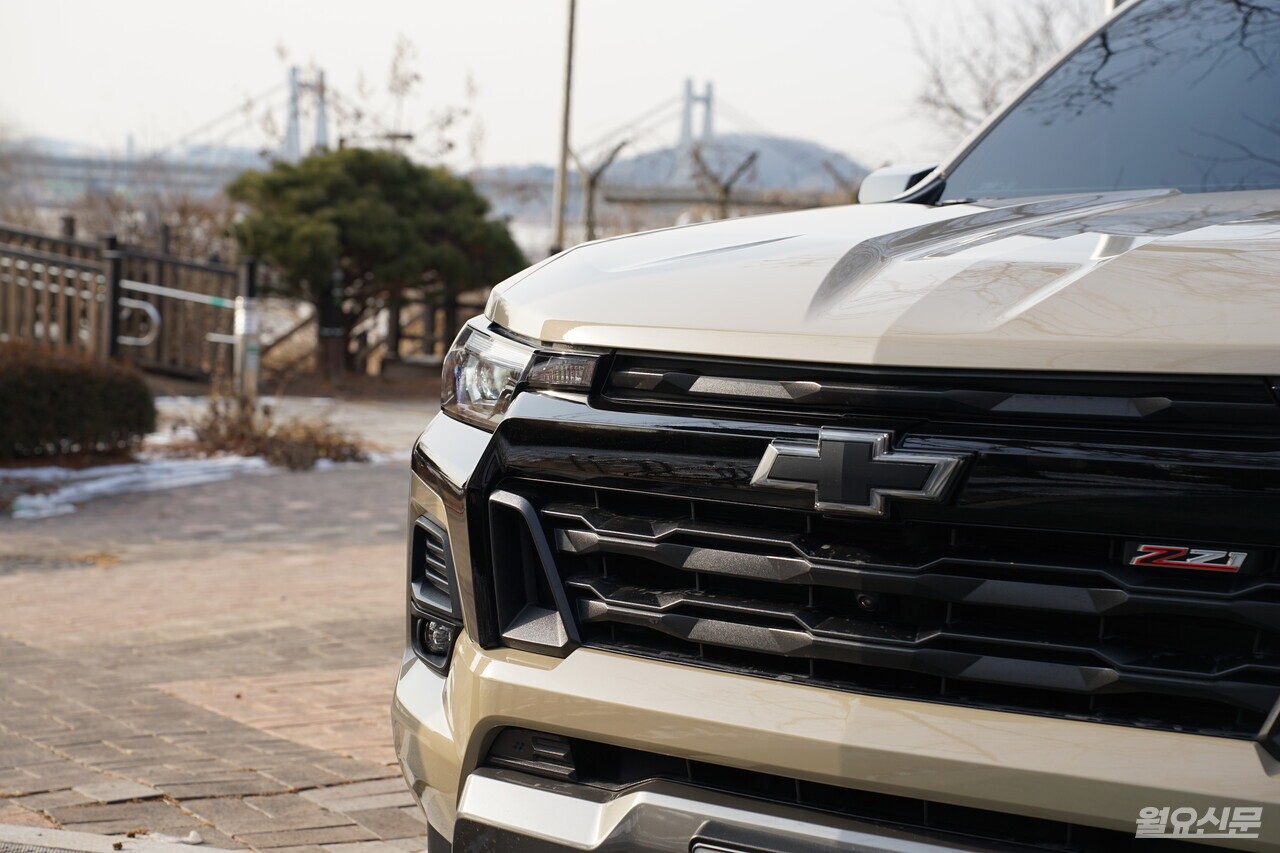
Placing the old and new Colorado side by side reveals immediate differences. The new model emphasizes straight lines over curves, resulting in a sharper profile. The distinct separation between the hood, fenders, and cargo bed creates an illusion of increased size. Even when stationary, it exudes a more substantial presence than its predecessor, with angular surfaces and defined outlines lending a refined air – as if the muscular pickup is wearing a tailored suit.
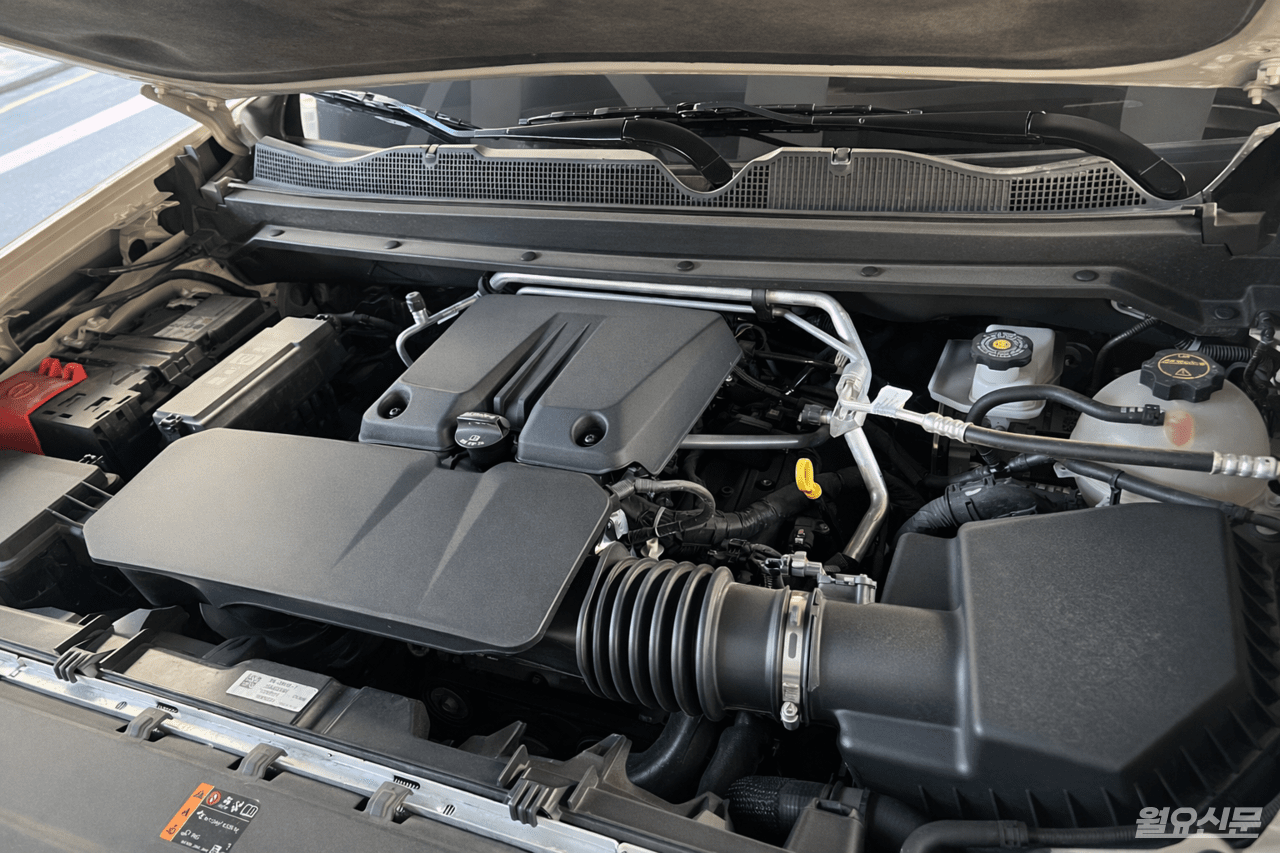
The all-new Colorado has switched from a 3.6L V6 naturally aspirated engine to a 2.7L inline-four turbo, focusing on low-end torque for ample power during starts and acceleration. Photo: Kim Yoon-gyeom The all-new Colorado’s most significant changes lie in its powertrain. While the previous model relied on a high-revving 3.6L V6, the new version opts for a 2.7L inline-four turbo. Its longer-stroke design prioritizes low-end torque, delivering a peak 54.0 kgf·m at relatively low RPMs. This translates to noticeable thrust during starts and acceleration, making the truck feel less imposing in urban and mid-speed driving scenarios.
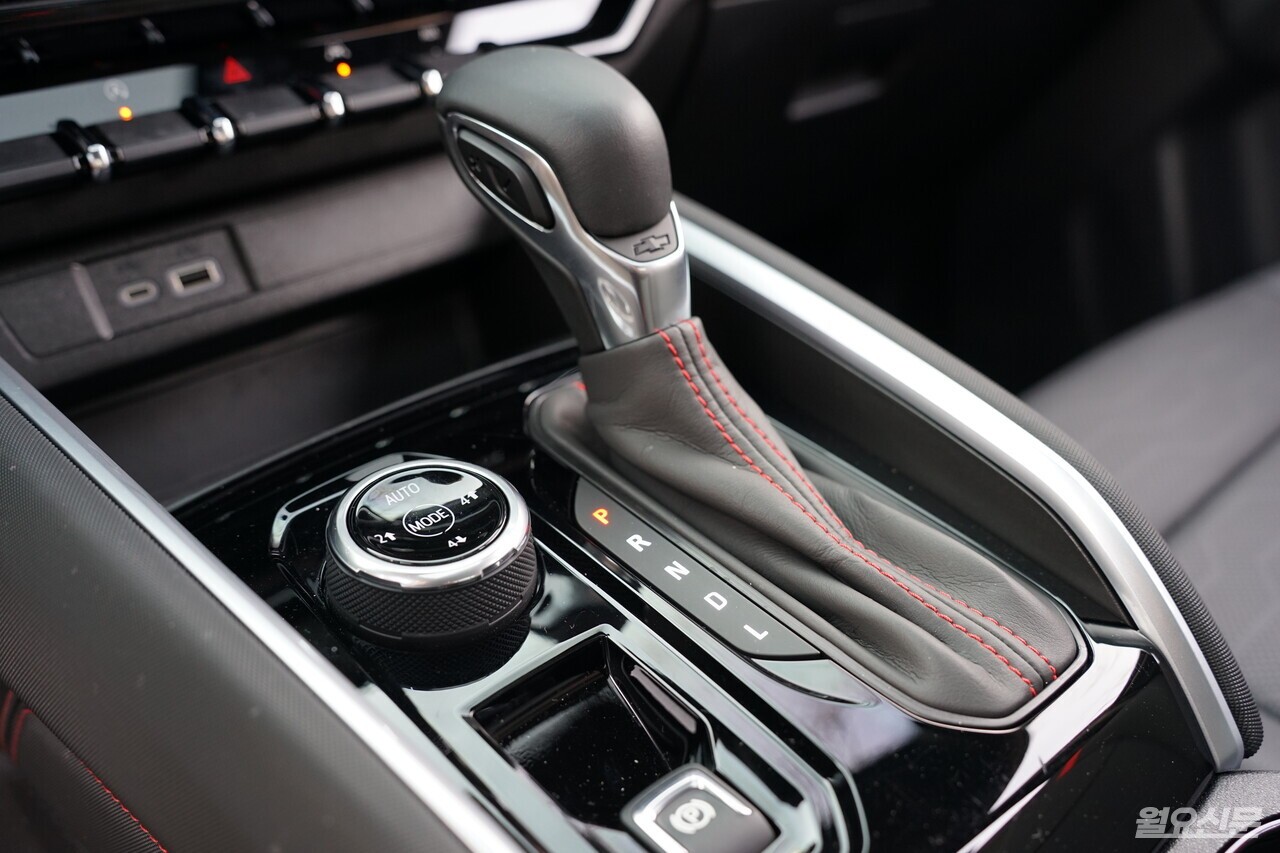
The 8-speed automatic transmission prioritizes smooth torque delivery over rapid shifts, quickly dampening vibrations and noise once the vehicle is in motion. Photo: Kim Yoon-gyeom The transmission complements the engine’s characteristics with smooth operation. The 8-speed automatic focuses more on seamless torque delivery than quick shifts. Even during rapid acceleration, gear changes remain smooth and unobtrusive. While engine vibrations and noise are noticeable at idle, they quickly fade once the vehicle is moving.
In urban driving, acceleration feels smooth, and the vehicle’s size is less intimidating. The driving experience is more akin to a city-oriented SUV than a typical pickup truck. Photo: Kim Yoon-gyeom There are moments in city driving where you might forget you’re behind the wheel of a pickup. Acceleration from a stop is gradual but maintains consistent power through mid-range speeds, propelling the vehicle naturally. It doesn’t feel sluggish for its size, and even in stop-and-go traffic, its movements remain composed. For city driving, it feels more like a urban SUV than a large truck.
At higher speeds, the ride quality and noise characteristics reveal the firm, direct nature typical of a body-on-frame pickup. Photo: Kim Yoon-gyeom As speeds increase, the ride quality diverges from city driving comfort. At highway speeds, bumps are felt more firmly, and vertical movements become more pronounced depending on road conditions. This is especially noticeable in the rear seats. Rather than feeling like a unified structure, the vehicle exhibits the characteristic movements of its body-on-frame construction. Wind and road noise also increase with speed, departing from the quieter standards set by passenger SUVs.
The electronic power steering reduces effort at low speeds and in urban areas but lacks the road feedback typical of passenger SUVs. Photo: Kim Yoon-gyeom The implementation of electronic power steering (EPS) also impacts the driving experience. At low speeds and in urban settings, steering requires minimal effort, making it relatively easy to handle for its class. U-turns and navigating narrow streets feel manageable, with little strength needed for everyday maneuvering. While steering response remains stable, it doesn’t actively communicate road information like a passenger SUV would.
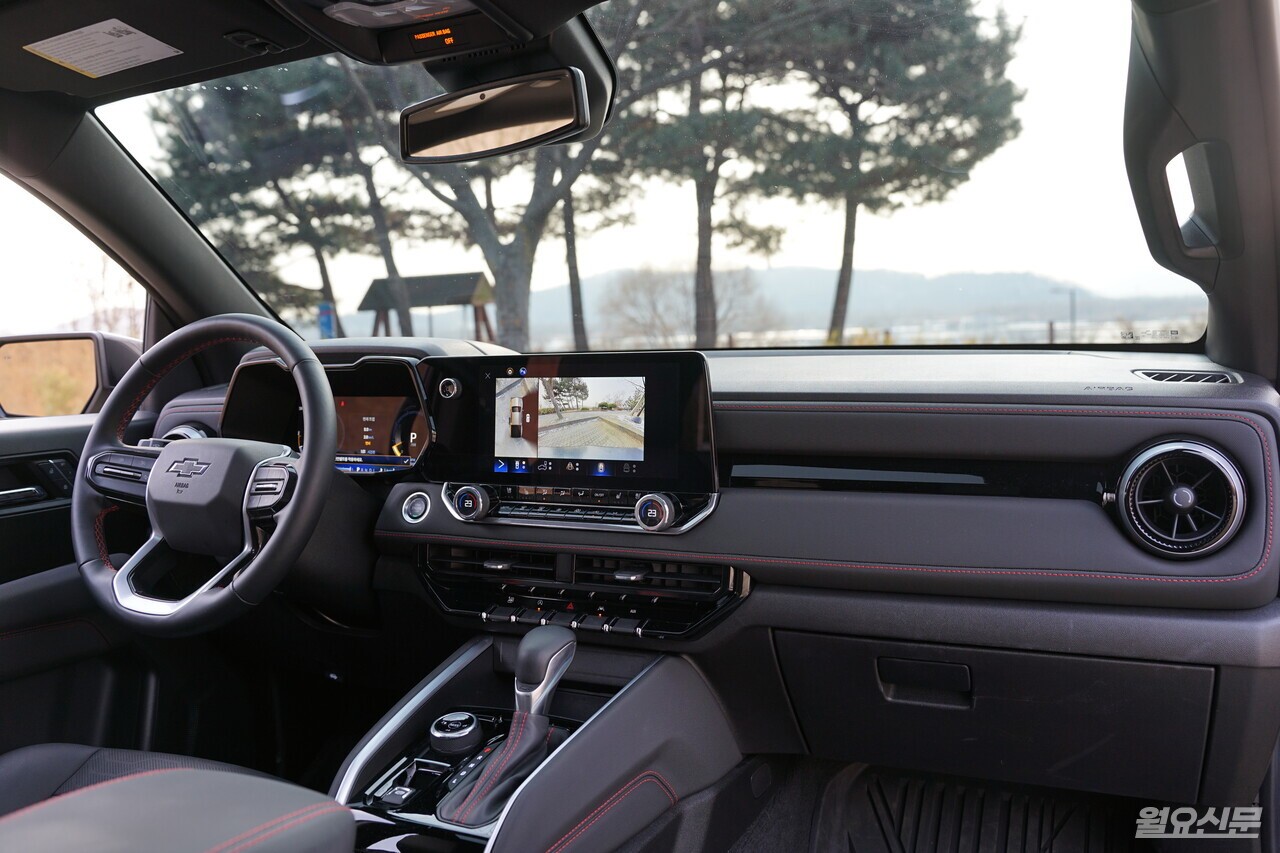
The interior features a layout centered on physical buttons rather than touch controls, ensuring intuitive and user-friendly operation. Photo: Kim Yoon-gyeom The interior design bucks the recent trend towards electrification. Instead of relying on touch controls, it retains physical buttons for frequently used functions like climate control and driving assistance, prioritizing intuitiveness. This eliminates the need to navigate through multiple menus, making operation while driving effortless.
Kim Yoon-gyeom
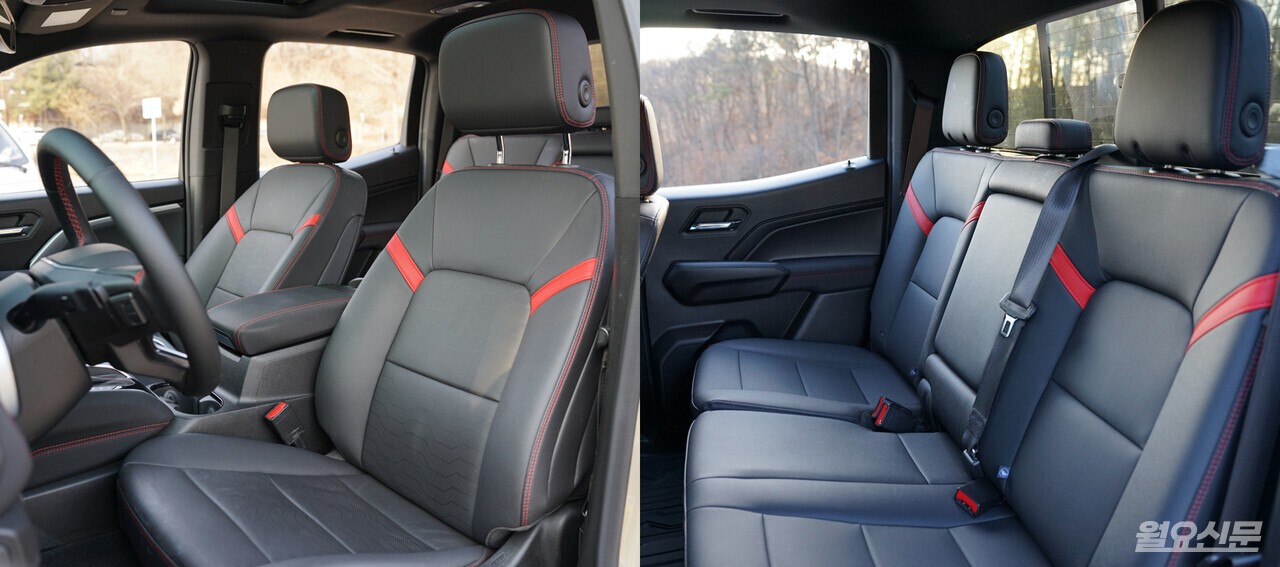
The interior maintains a straightforward design suited for a pickup truck, with supportive seats comfortable for long drives. However, the absence of certain features is disappointing given the price point. Photo: Kim Yoon-gyeom The interior design is neither flashy nor excessive, aligning closely with pickup truck expectations. The seats prioritize support over plush cushioning, remaining comfortable for extended drives by pickup standards. However, considering the roughly 70 million KRW (about 52,500 USD) price tag, the lack of a head-up display (HUD) and the use of bulb-type turn signals are notable omissions.
The driver assistance system focuses on core functions with restrained interventions but lacks some advanced features expected in modern SUVs. Photo: Kim Yoon-gyeom The advanced driver assistance system (ADAS) offers a straightforward package. It includes essential functions like forward collision warning and adaptive cruise control but omits features like lane-keeping assist common in modern SUVs. The assistance functions intervene conservatively rather than aggressively, which may disappoint tech-savvy consumers seeking cutting-edge features.
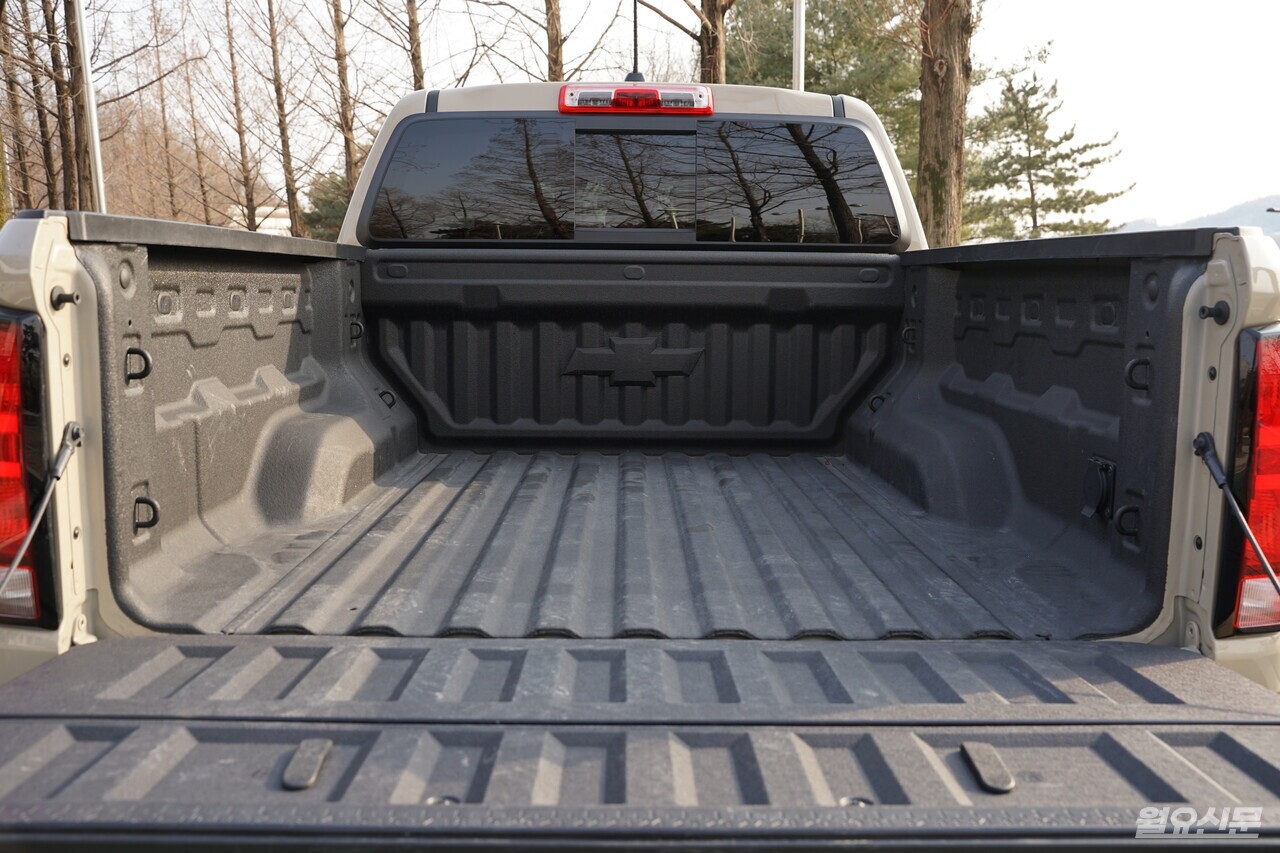
The cargo bed of the all-new Colorado. While competitively priced in the U.S., it faces stiffer competition in the Korean market compared to rival models. Photo: Kim Yoon-gyeom When considering price and market positioning, the decision points become clear. In the U.S., the Colorado is competitively priced among midsize pickups. However, in Korea, it faces a tougher value proposition compared to models like the Kia Tazman or KG Mobility Musso. While its fundamentals, refinement, and powertrain are compelling, the price tag presents a significant hurdle for many buyers.
Kim Yoon-gyeom
The all-new Colorado may not be a jack-of-all-trades, but it clearly defines its character when viewed as a pickup balancing urban use and practicality. Photo: Kim Yoon-gyeom The all-new Colorado isn’t a one-size-fits-all solution. However, when approached as a pickup truck designed for urban driving, recreation, and work environments, its purpose becomes clear. While it may fall short in some areas compared to SUVs, accepting its pickup truck identity reframes those shortcomings as character traits. For consumers unwilling to compromise on daily usability and utility, the all-new Colorado remains a compelling option. / Weekly News – Kim Yoon-gyeom, Reporter














Most Commented