
A ‘Drone Tsunami’ Floods Ukraine’s Front Lines
Ukraine’s claim that it shot down 2,081 Russian drones in a single day signaled a decisive shift in the conflict.
Drone losses that numbered in the dozens a day in early 2022 have surged more than 100‑fold in a matter of years.
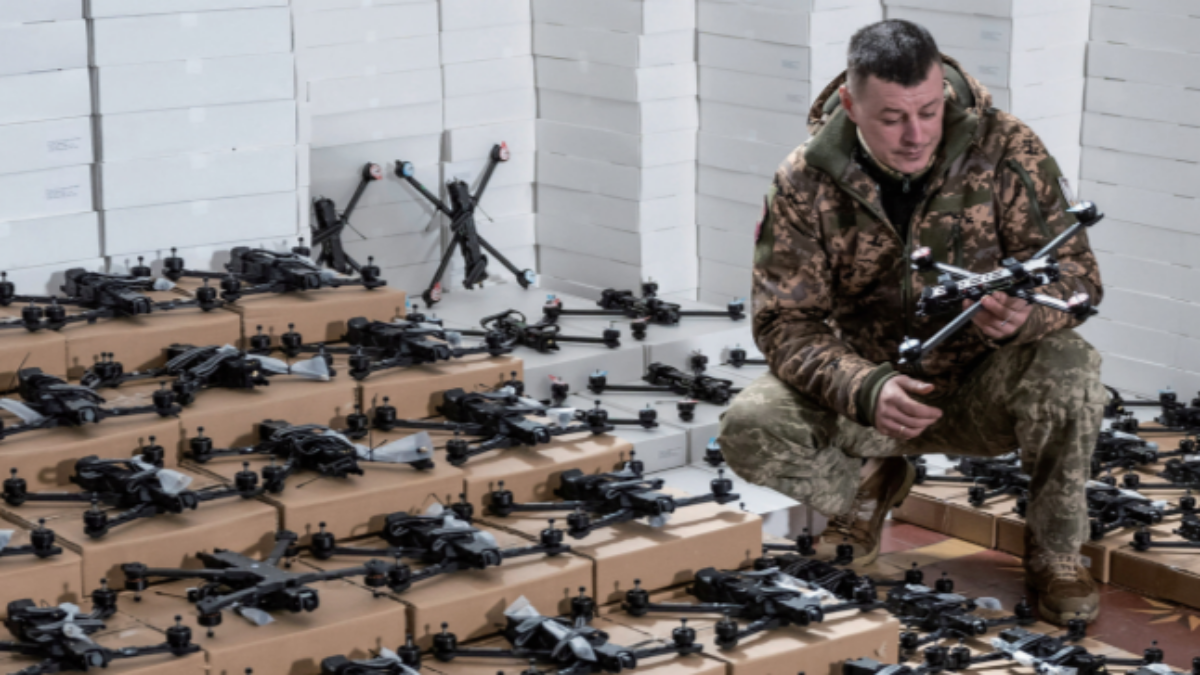
Today, drones have moved from special-operations tools to the primary consumable ammunition of modern combat—expended daily much like artillery rounds.
The battlefield maxim that \”artillery is king\” is being overtaken by a new measure of combat power: who can produce and field the most drones.
An Asymmetric Battlefield Where a 500,000 KRW (about $375) Drone Topples a 5 billion KRW (about $3.75 million) Target
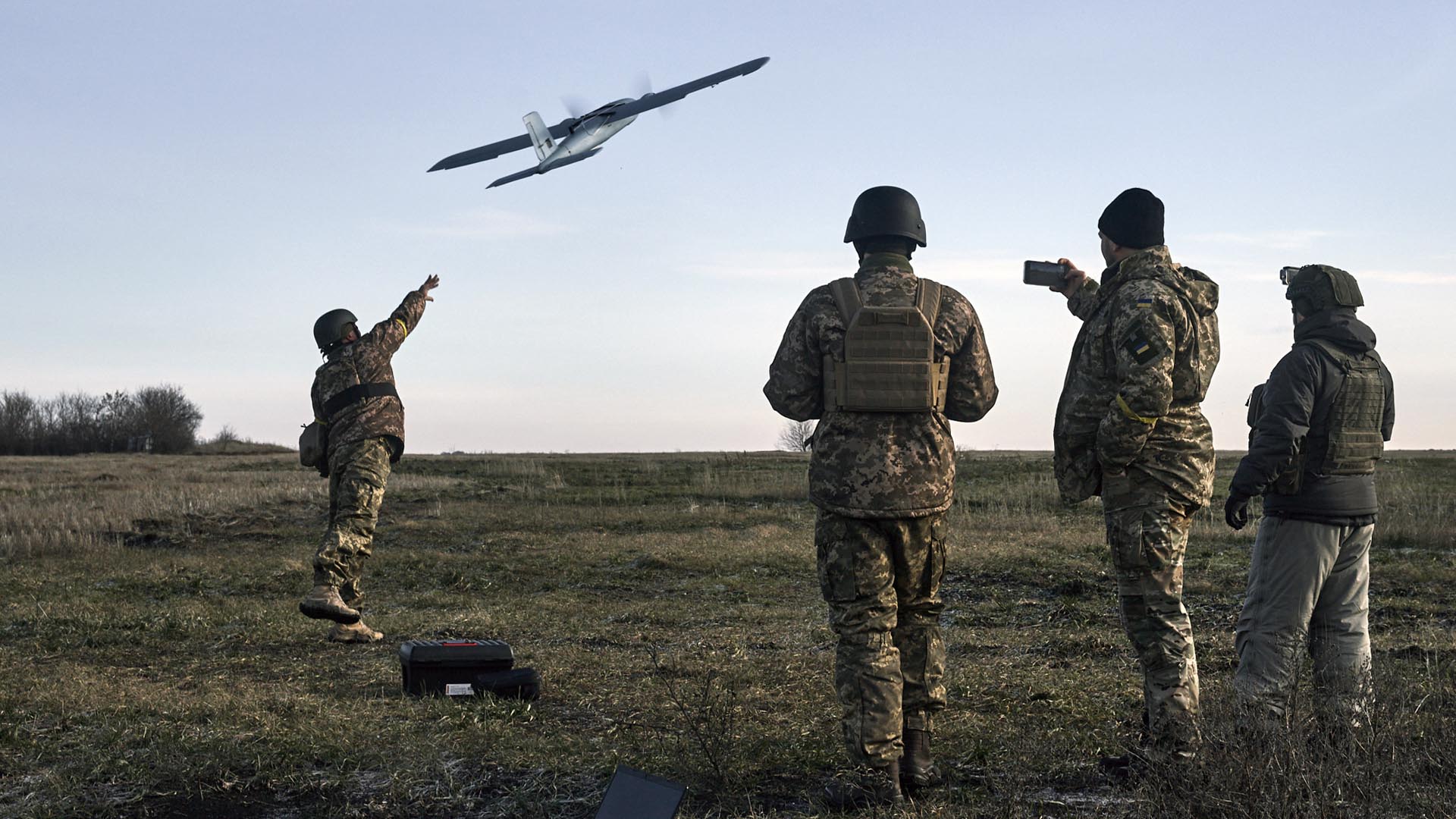
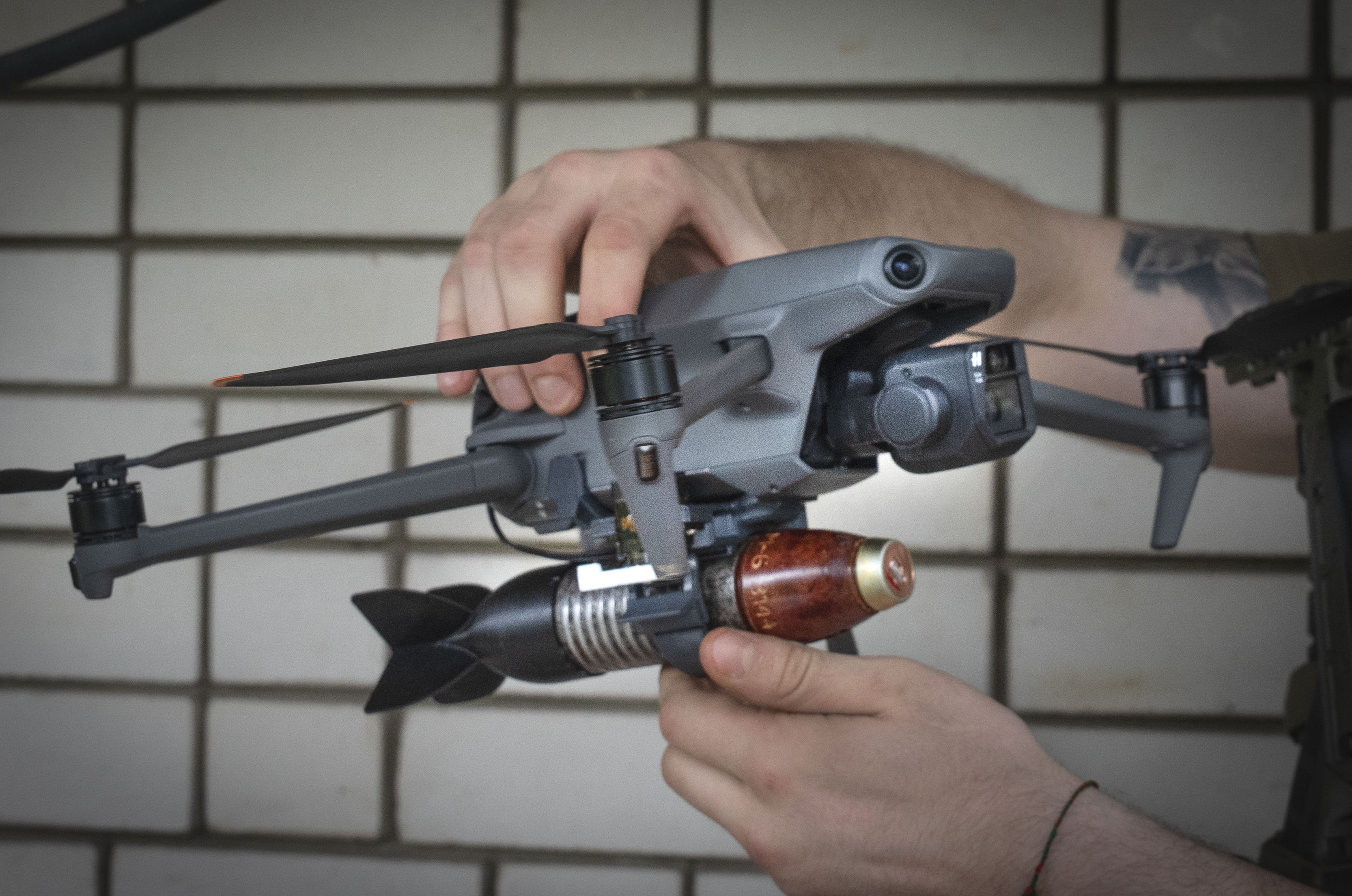
The cost effectiveness of FPV (first‑person‑view) kamikaze drones has upended longstanding military assumptions.
A parts‑based FPV drone typically costs 400,000–670,000 KRW (approximately $300–$503).
Yet footage has repeatedly shown these low‑cost drones destroying Russian T‑90 tanks valued around 5.4 billion KRW (about $4.05 million) and striking sophisticated air‑defense systems worth hundreds of millions to billions of KRW (approximately $75,000 to $750,000).
This is no longer a theoretical asymmetry: cheap, hundred‑dollar drones are documented taking out systems worth orders of magnitude more on a daily basis.
From a Shell War to a ‘Drone‑Factory’ War
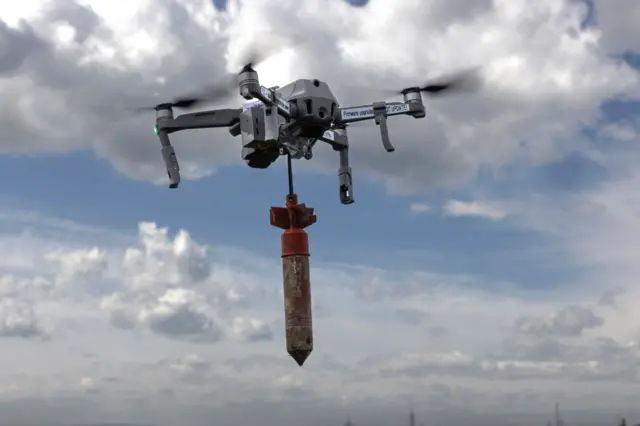
If Ukraine’s figure of 2,081 losses per day is accurate, that equals roughly 760,000 drones expended on the battlefield in a year.
Adding Russian attrition makes an annual consumption figure on the order of one million drones plausible.
Ukraine’s 2024 pledge to produce one million drones domestically was a response to this physical attrition, not rhetorical flourish.
The contest of the war has shifted toward industrial capacity: victory increasingly depends on which side can manufacture and sustain the larger drone fleet.
An Uncomfortable Mirror for K‑Defense
South Korea has long led in mass production of traditional munitions, such as 155 mm artillery shells.
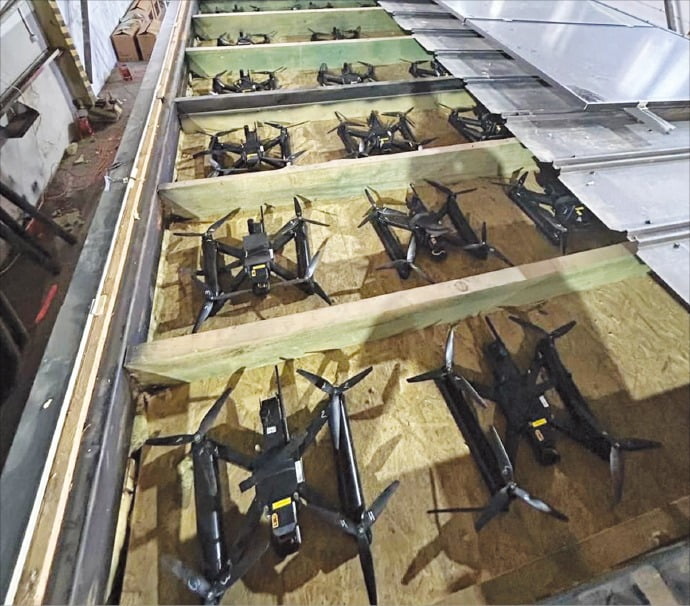
But Seoul still lags in the factoryized, high‑volume production of ultra‑low‑cost loitering munitions that meet military standards and networking requirements.
That gap means a Ukrainian‑style drone attrition campaign on the Korean Peninsula or in strategic chokepoints like the Strait of Hormuz could overwhelm existing shell and missile stockpiles.
Simply buying more high‑end interceptors is unlikely to blunt a massed swarm arriving in the thousands.
Why the Warning That \”Korean Weapons Can’t Stop Them All\” Matters
To date, South Korea’s missile‑defense and air‑defense architecture has been optimized for mid‑ and high‑altitude ballistic missiles, large aircraft, and a limited cruise‑missile threat.
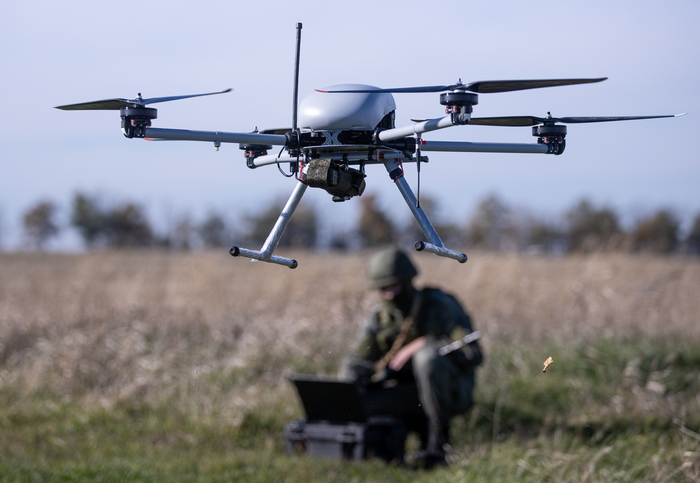
The fighting in Ukraine shows how cheap, small drones can simultaneously exhaust surface‑to‑air missiles, self‑propelled anti‑air guns, and radars, creating operational overloads.
No matter how capable an interceptor is, a one‑for‑one expenditure model—one interceptor per incoming drone—will quickly deplete budgets and inventories.
That is why analysts issue a stark assessment: current South Korean systems alone would struggle to withstand a Ukrainian‑style drone tsunami.
Three Immediate Tasks South Korea Must Face
First, establish a factoryized production ecosystem for ultra‑low‑cost drones.
Move beyond a defense sector centered on a few large contractors and build an industrial base that brings civilians and startups into a mass‑production ecosystem capable of producing hundreds of thousands of military drones annually.
Second, scale up drone‑against‑drone, electronic‑warfare, and directed‑energy defenses.
Rather than relying solely on expensive interceptors like Patriot or Cheolmae‑II, increase investment in non‑kinetic and low‑cost kinetic solutions—jamming, small autonomous interceptors, high‑energy lasers, and microwave systems—that stop swarms without draining conventional munitions.
Third, overhaul battlefield operational concepts.
Artillery, armor, and infantry formations must train under the assumption that a drone unit will operate continuously alongside them, and drone employment and counter‑drone tactics must become basic skills for all service members.
The Era of a ‘Second Ammunition’ Hidden in the Shadow of Shells
For decades, nations treated artillery and missile stocks as the core metrics of strategic reserves.
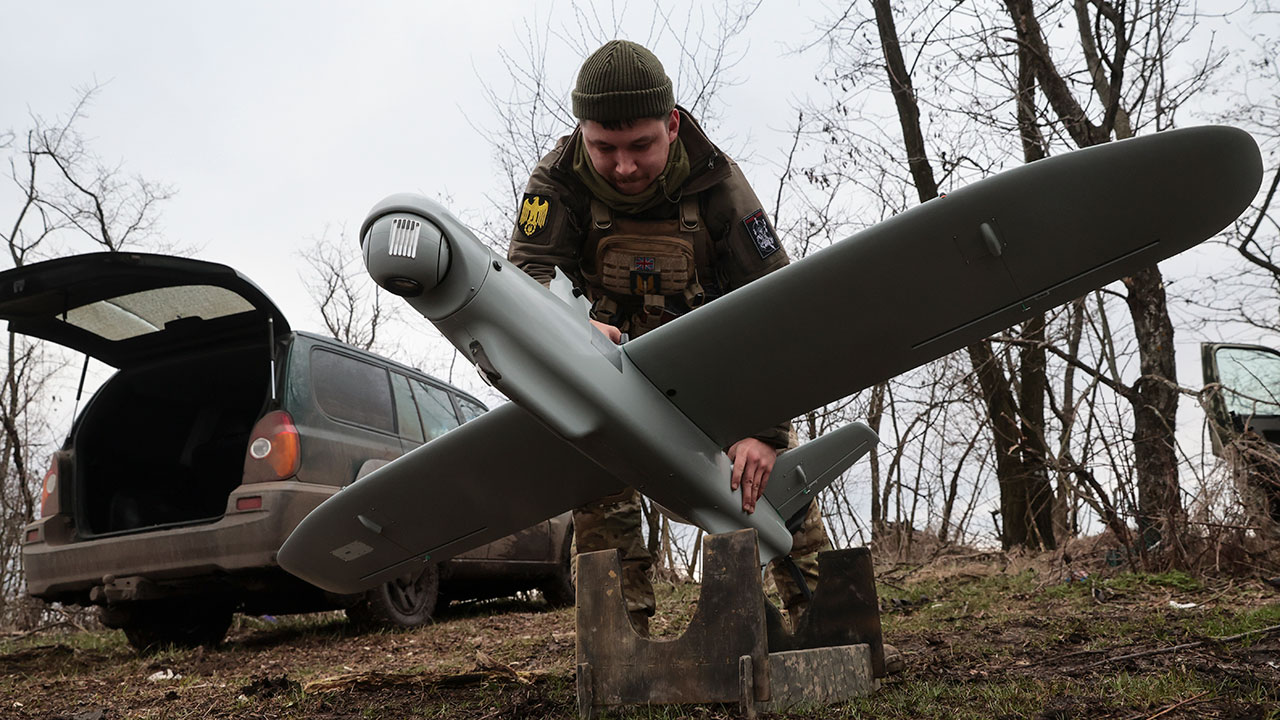
The war in Ukraine shows that a second axis of ammunition—ultra‑low‑cost drones—must sit alongside shells and missiles.
If that axis is empty, even the most capable artillery and missile defenses will fail under mass attrition and allow gaps to open in the defensive network.
It is time to put this question at the center of defense debates: Can South Korea produce tens of thousands—or even hundreds of thousands—of military drones a year?















Most Commented