
Translation result
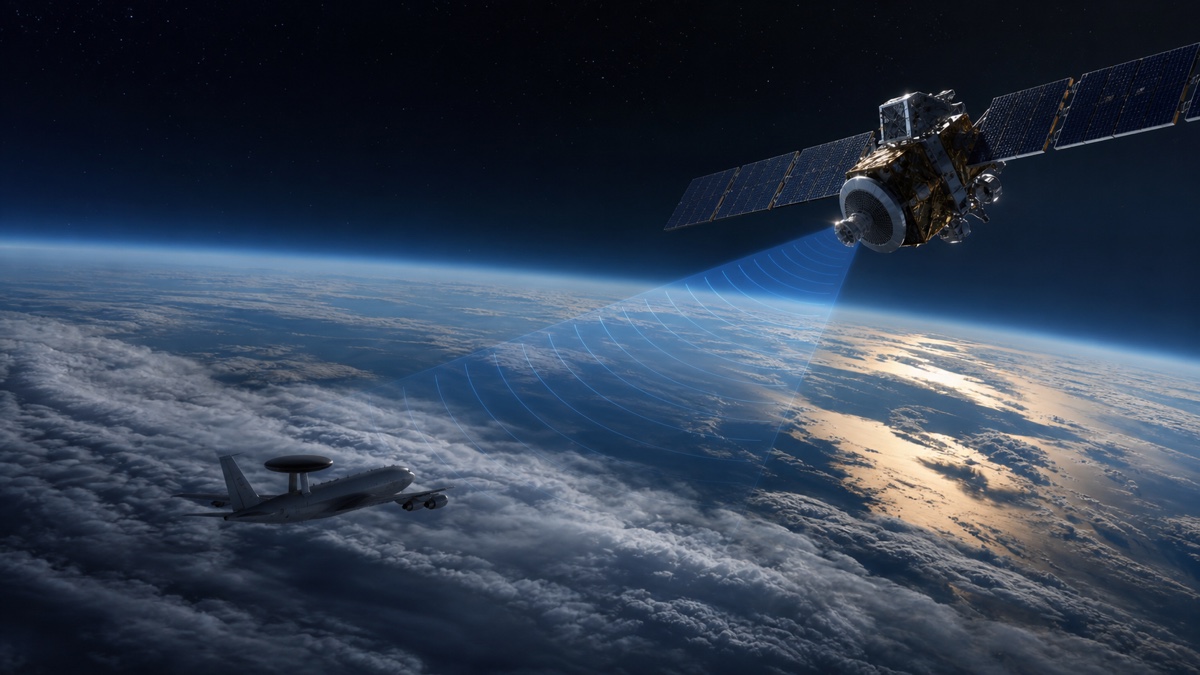
The U.S. military has contracted SpaceX to provide space-based moving-target detection, shifting the focus of aerial surveillance from ground radars and airborne early-warning platforms into space.
Legacy airborne early-warning platforms that detect aircraft, missiles and large unmanned systems now face limits in range and maintenance cycles, constraining their coverage.
Unlike aircraft that must enter specific airspace, a space-based layer can repeatedly sweep broad areas and reduce existing detection gaps. That makes it an appealing new option for the Department of Defense.
Defense officials view SpaceX’s launch capacity and satellite-constellation experience as critical assets for delivering the rapid, resilient surveillance architecture the military is seeking.
A layered space surveillance network emerges to fill gaps in early-warning systems
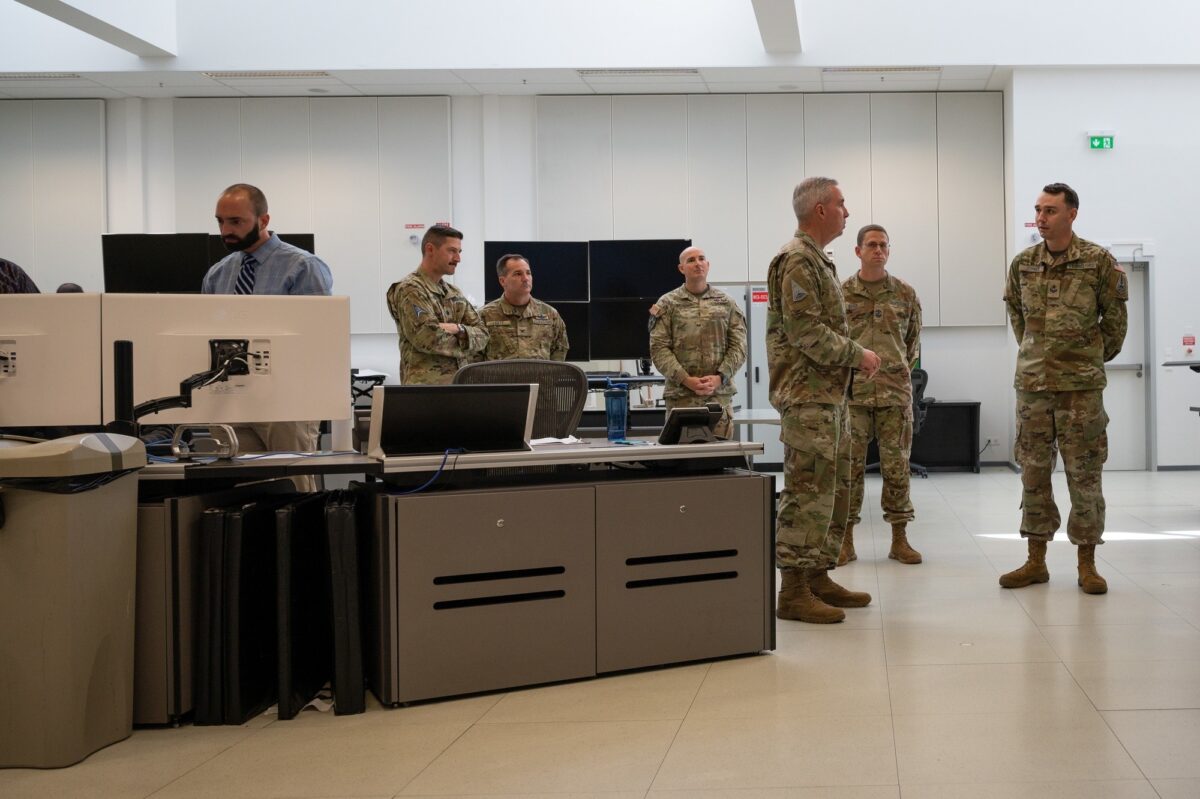
The space layer is likely to complement—rather than replace—platforms such as the E-7, bolstering command-and-control at the operational level while providing persistent, wide-area coverage.
To get satellite detections into the cockpits of fighter pilots and to air-defense command posts in near real time, sensors, relay satellites and tactical data links must operate as a tightly integrated, low-latency system.
As space-based assets proliferate, they will face threats including jamming, cyberattacks and anti-satellite weapons. That exposure creates a new requirement: defending the infrastructure itself.
The U.S. government’s contract totals 6.3113 trillion KRW (about 4.73 billion USD). Follow-on launch and sustainment costs will require the Pentagon to balance budgets with existing air assets.
Putting private companies at the center of U.S. military surveillance could accelerate innovation, but it raises tough questions about wartime prioritization and how to maintain security controls.
Those shifts in U.S. space assets are closely tied to security on the Korean Peninsula and across the Indo-Pacific, where authorities need continuous monitoring of North Korean missiles, drones and regional air activity.
Analysts warn that the volume of satellite data the U.S. collects will have practical effect on the peninsula only if U.S.-ROK information-sharing protocols are tightened and allied command procedures are sped up.
Ultimately, the priority is not acquiring a single high-priced platform but integrating ground, air and space sensors into a layered architecture that closes detection gaps.
Information flows that will reshape air combat — and the challenges ahead

The contract represents more than a new space program. It reflects a push to find moving aerial targets faster and shorten the sensor-to-shooter chain, accelerating air-defense decision timelines.
Deployment timelines and operational performance remain uncertain. The system will have to pass demanding military testing and certification before it can be fielded.
Watch for follow-on launch awards, test results and the degree to which the space layer interoperates with existing command-and-control platforms such as the E-7.
As the U.S. extends its broad surveillance architecture into space, how effectively it integrates a truly layered detection system will shape the future of airpower.
Trending Now
- ‘Ghost weapons’ South Korea urgently needs to counter Chinese submarine chokepoints
- ‘You’ll be detected before you fire’ — three countries’ hyperconnected weapons that should concern China
- U.S. on high alert after surge in Chinese power — the unprecedented bill Washington could seek from South Korea and Japan















Most Commented