
Translation result
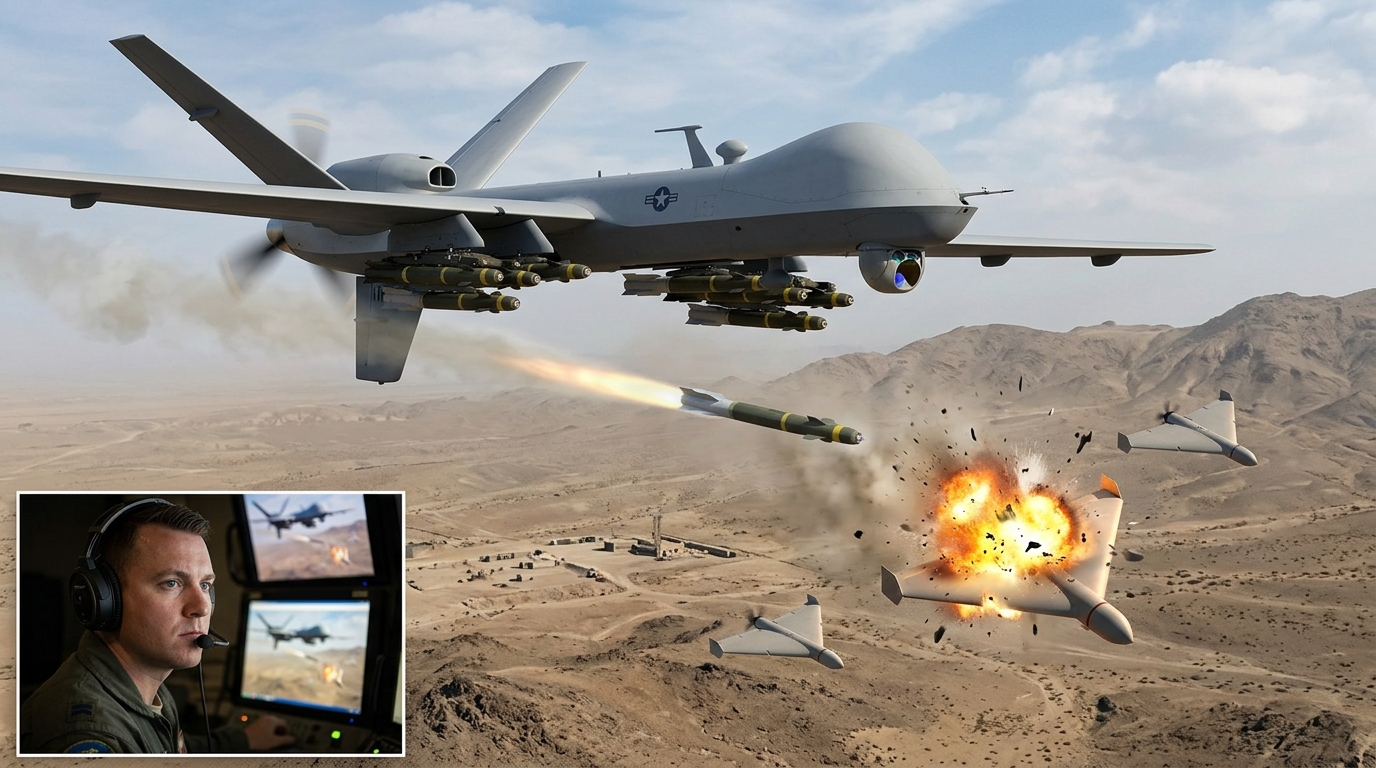
The era of firing a ₩1.5 billion (about $1.125 million) missile to stop a single suicide drone that costs only tens of millions of won — roughly ₩26–65 million (about $19,500–$48,750) — may be drawing to a close.
Recent test firings have started to demonstrate a practical concept that directly confronts the persistent \”cost-exchange\” problem seen across battlefields in the Middle East and Ukraine.
The U.S. precision-strike MQ-9 Reaper is being adapted into a dedicated counter-drone interceptor by carrying low-cost, laser-guided APKWS rockets.
During test flights near Nellis Air Force Base in Nevada, General Atomics and the U.S. Air Force engaged airborne targets with the Reaper, confirming the concept’s technical and operational viability.
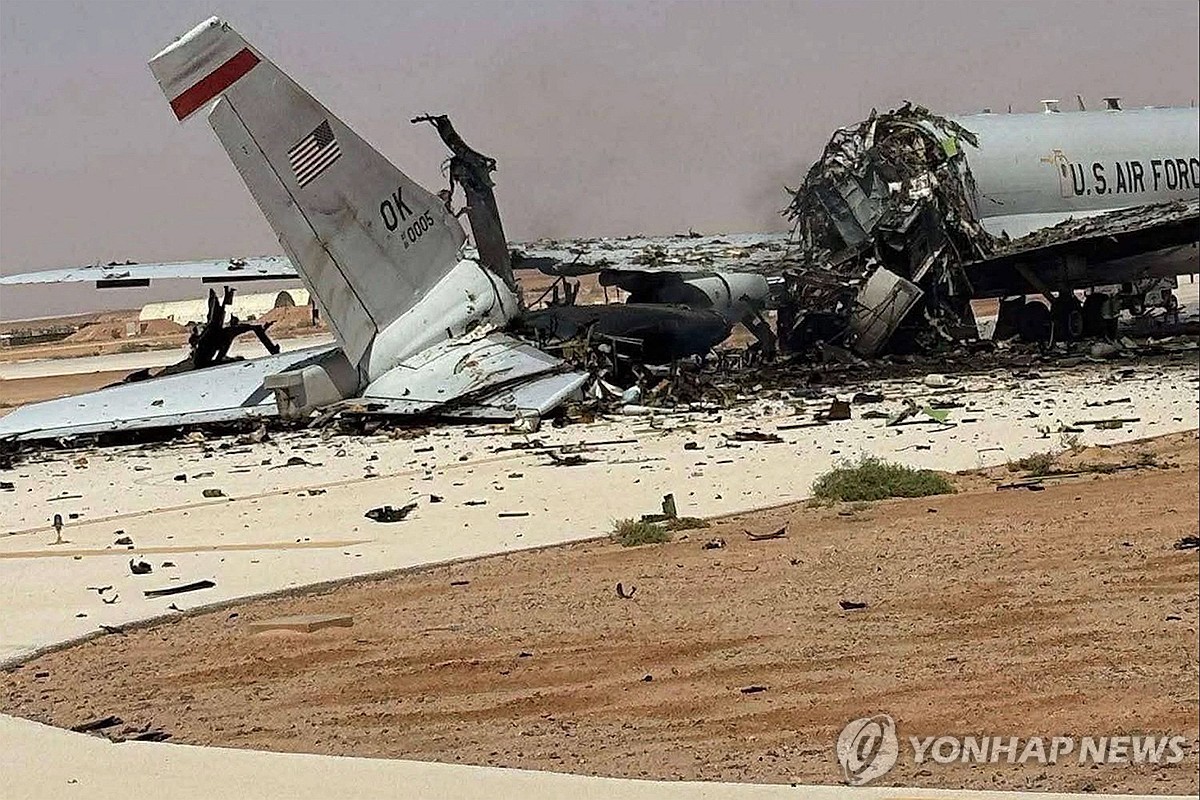
The appeal of the MQ-9+APKWS pairing is straightforward: for the first time the prospect that defenders can eliminate aerial threats at a fraction of the attacker’s cost has become concrete.
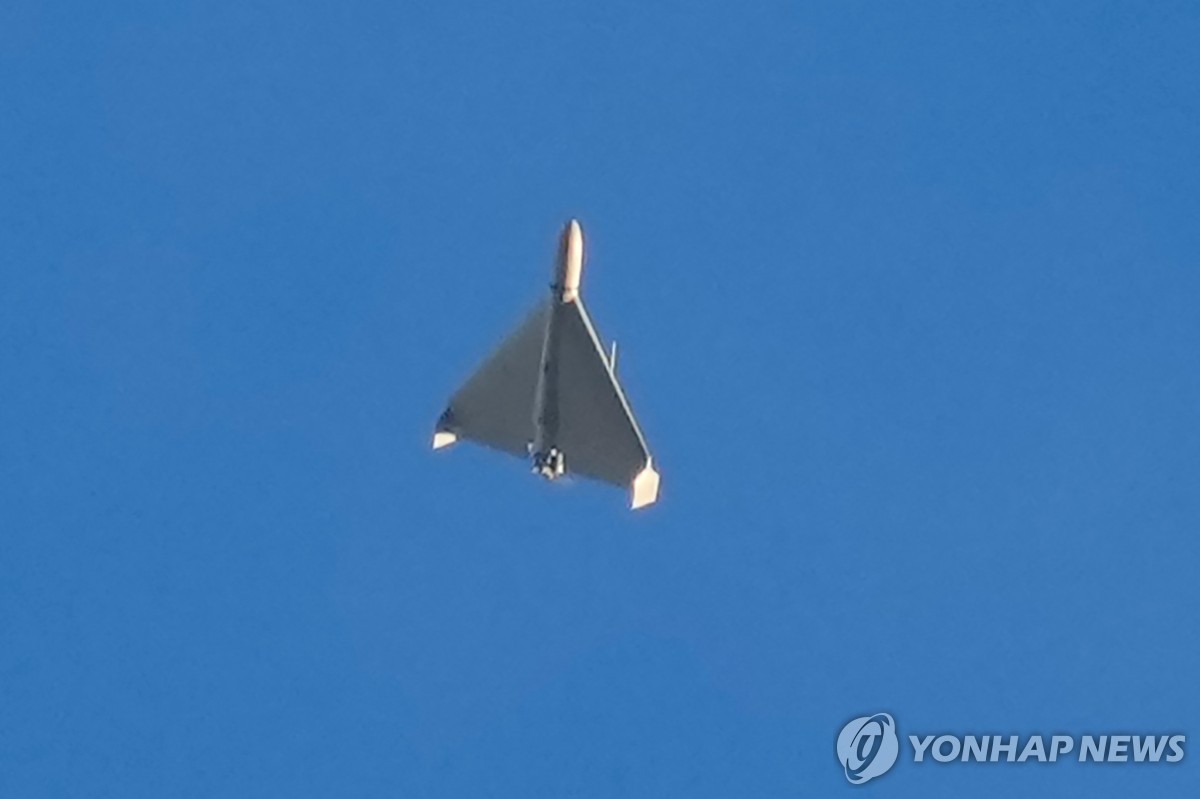
Estimates put Iran-produced Shahed-136 suicide drones at roughly $20,000–$50,000 each (about ₩26–65 million). By comparison, intercepting them with an AIM-120 AMRAAM costs on the order of $1.2 million per shot (about ₩1.5 billion), while an AIM-9X runs roughly $450,000 (about ₩600 million).
BAE Systems’ APKWS turns existing 70 mm unguided rockets into precision munitions by adding a semi-active laser guidance kit. Analysts estimate unit cost at roughly $20,000–$30,000 (about ₩26–40 million).
Put simply: the price of a single AIM-120 could buy roughly 48 APKWS rounds, and the cost of a single AIM-9X could fund about 18 APKWS rounds.
That the unit cost of a Shahed-class drone now sits in the same ballpark as an APKWS round is significant. The long-standing wartime calculus that \”attacks are always cheaper\” is starting to crack.
A long-endurance platform manned aircraft can’t match
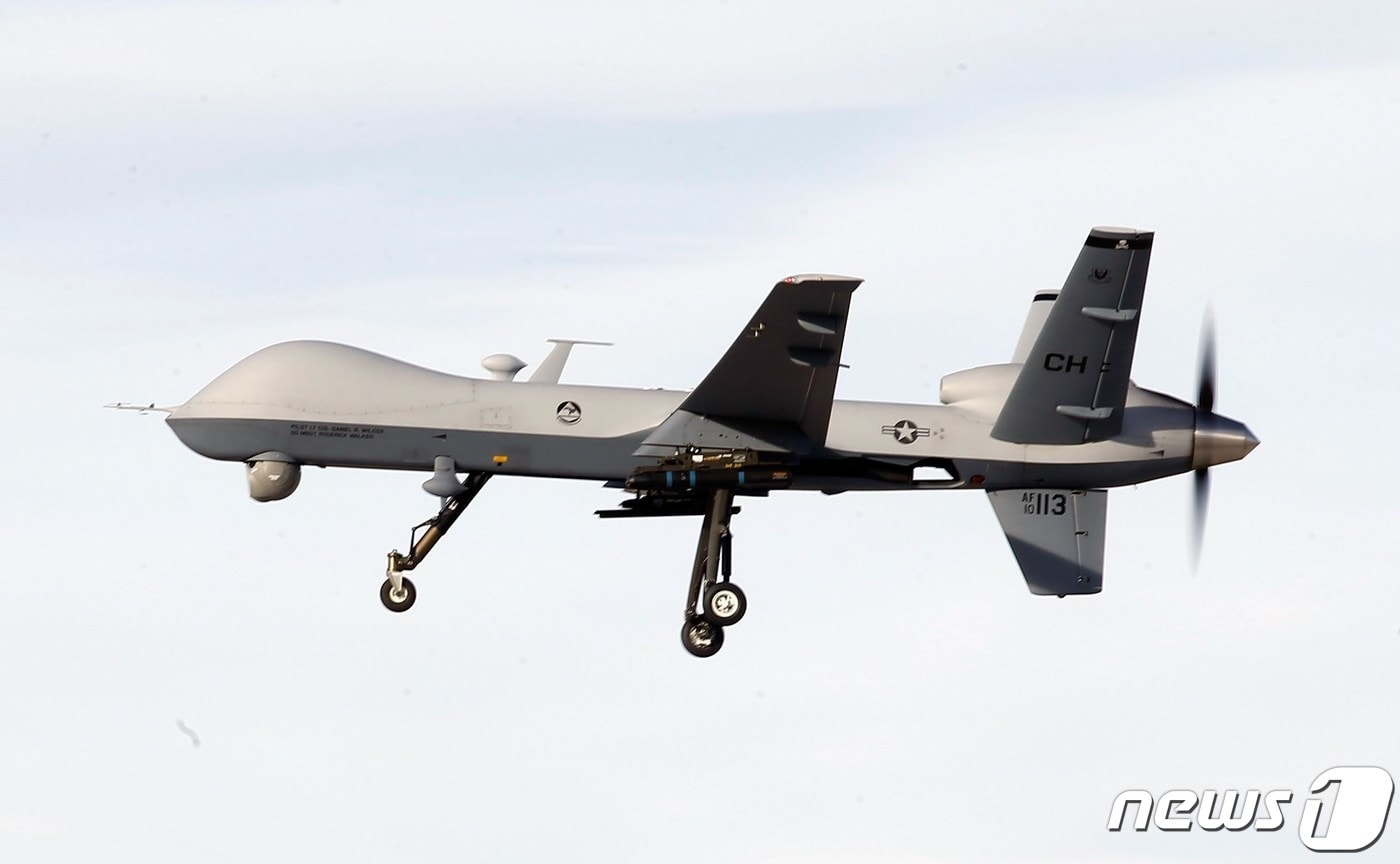
APKWS’s cost advantage becomes strategically meaningful when combined with the MQ-9 Reaper’s long-endurance loiter capability.
From a practical service ceiling near 50,000 ft (about 15 km), the Reaper can loiter for 15–20 hours or longer depending on payload. Its operating cost is roughly $3,000–$5,000 per flight hour — only about one-fifth to one-seventh the hourly cost of an F-16 (roughly $20,000–$30,000 per hour).
Manned fighters such as the F-15E or F-16 cannot sustain long on-station times because of pilot fatigue and fuel constraints. The Reaper, equipped with EO/IR sensors and synthetic aperture radar (SAR), can maintain surveillance and remain on interception standby for 15–20 hours in typical armed configurations, and longer under favorable conditions.
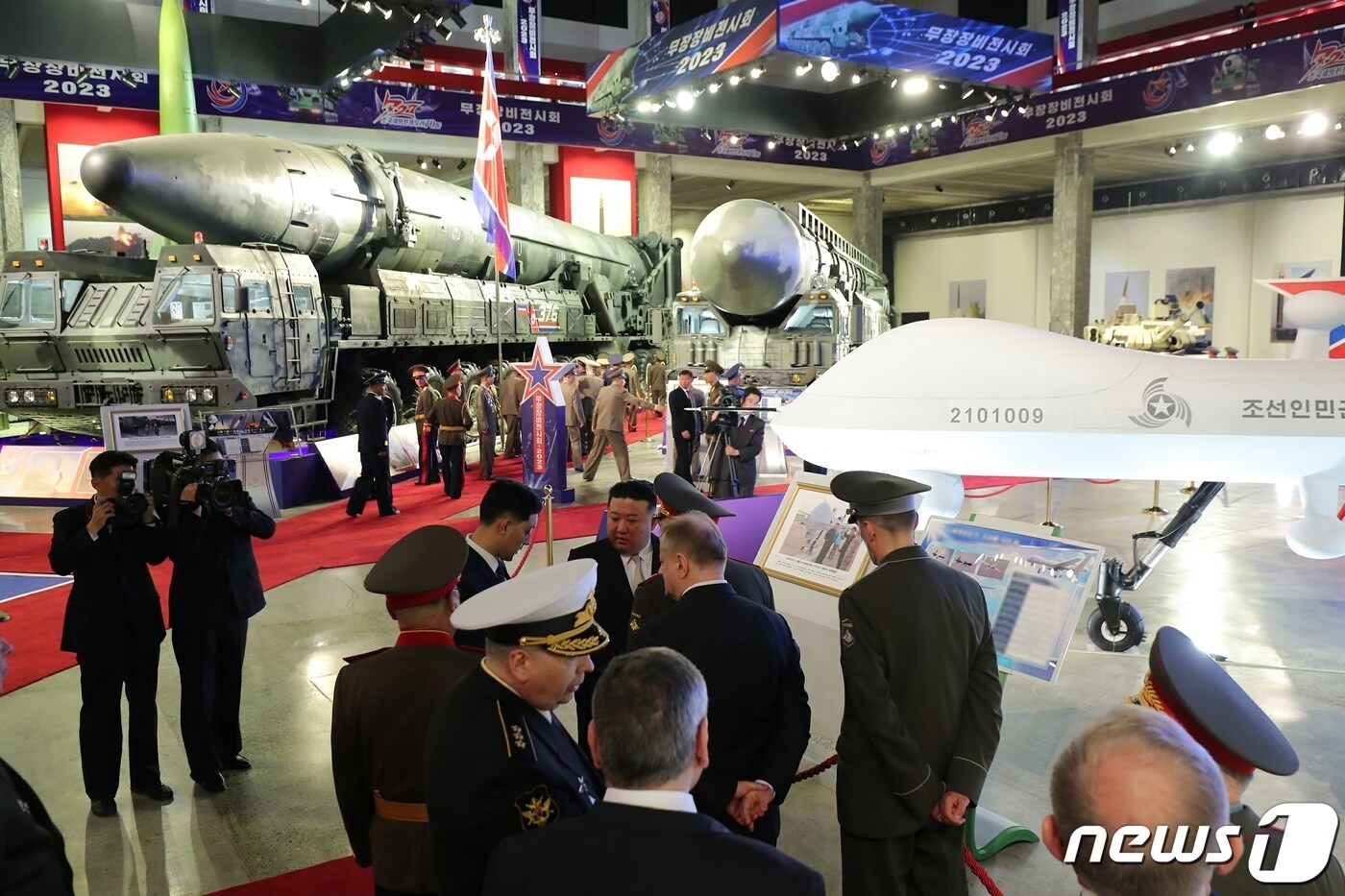
Low-speed, low-altitude loitering munitions often evade ground radars by using terrain and urban clutter. The Reaper’s high-altitude, multi-sensor package can effectively cover those blind spots and provide persistent overwatch.
Not a silver bullet — limits and implications for South Korea’s military
Experts caution that MQ-9+APKWS is a transitional, partial solution rather than a cure-all. APKWS’s effective range from high-altitude launches is roughly 10 km, making it better suited for localized defense around key facilities than for wide-area theater air defense. In a massive swarm attack involving hundreds of small drones, the number of APKWS rounds a single Reaper can carry becomes a limiting factor.
The Reaper itself has vulnerabilities. It relies heavily on satellite and ground data links that can be degraded by intense electronic warfare, and it becomes a high-priority target in environments threatened by enemy surface-to-air missiles. Major U.S. think tanks such as RAND and CSIS give the MQ-9+APKWS concept qualified praise but emphasize the need to transition to systems that can be produced and fielded in greater numbers — directed-energy weapons, microwave systems, or fully autonomous interceptor drones.
For South Korea’s military, this is far from an abstract debate. The December 2022 incident, in which five North Korean drones loitered over the Seoul metropolitan area while dozens of fighters and helicopters scrambled but failed to intercept them, underscored that high-end air defenses alone cannot reliably defeat small-drone threats. Deploying MQ-9–class UAVs armed with APKWS-type low-cost precision munitions over the West Sea, the capital region and key bases as part of a layered air-defense architecture is emerging as a practical option to improve cost-efficiency and strengthen deterrence.
Trending now
- “’Crypto funds nuclear missiles’…North Korea’s LLM hacking grows more sophisticated as Upbit’s ₩1 trillion (about $750 million) heist raises risk of a repeat”
- “’The more you show willingness to strike first, the more North Korea fires first’…Victor Cha warns of the dilemma as the ‘three-axis’ system sparks debate”
- “’The single word “threat” can change Japan’s security strategy’…Whether to formally label China a ‘threat’ pushes the ruling party to the brink of a split”















Most Commented