
Translation result.

A surge in AI-generated podcasts is reshaping the audio content market. The phenomenon—dubbed “podslop”—is eroding quality and spilling over to platforms and the advertising ecosystem.
On May 1 (local time), Bloomberg reported that Spotify’s stock plunged by its largest margin in four years after last week’s earnings, exposing investor concerns.
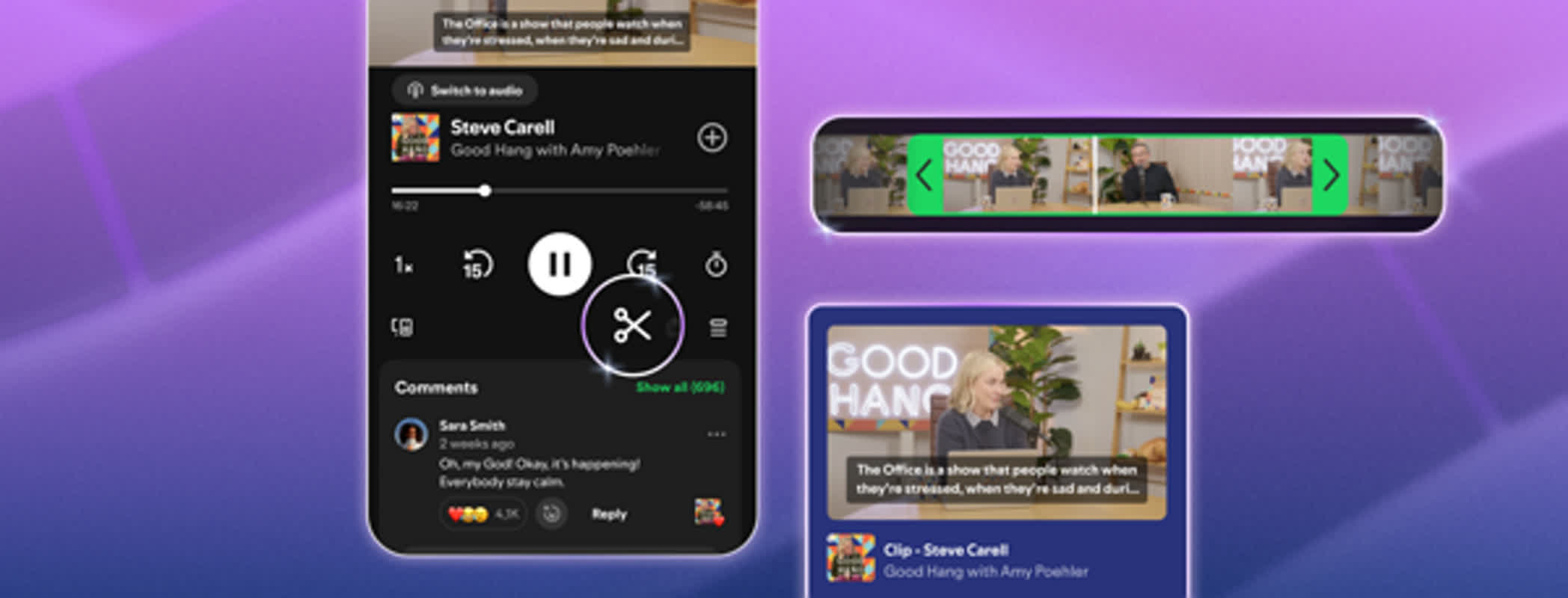
Spotify has continued to experiment—adding fitness company Peloton’s content, for example—but analysts say the fast-changing content landscape is weighing on the company.
At the center of the shift is AI. Inception Point AI, for example, has built a mass-production system and, within months, been operating more than 10,000 programs. The company recently released more than 800 shows in a 48-hour span, underscoring how quickly production has accelerated.
The trend has spread across the industry. According to the open-source platform Podcast Index, roughly 39 percent of about 10,000 podcasts created over the past nine days may be AI-based. Thousands of new shows are launching daily.
AI companies are accelerating the change. Google has normalized the approach with NotebookLM, Amazon introduced a feature that converts product descriptions into podcasts, and Anthropic published methods for producing podcasts with AI. Observers say production costs and timelines have plunged as a result.
Industry players also see structural shifts. One source said work that once required humans months to analyze across tens of thousands of pages can now be completed by AI in hours, enabling producers to turn findings into content far more quickly.
The core issues are quality and trust. “Slop” is defined by inaccuracies and low production standards. Still, some companies argue those criticisms are exaggerated and emphasize the future potential of AI-driven content.
Platforms are responding unevenly. Apple requires creators to disclose content that is substantially AI-produced and bans false or deceptive material. Spotify has not yet released clear AI guidelines.
Revenue models are also under debate. Because some platforms allow free podcast registration and split ad revenue, mass-produced AI shows can generate ad income. iHeartMedia’s Spreaker permits ad participation for AI content, while RSS.com restricts monetization for shows it deems slop.
Ultimately, the central question is what counts as content. As AI-produced material expands rapidly, debates over quality control, revenue sharing, and platform responsibility are likely to intensify.
Chan Park cpark@aitimes.com













Most Commented