
TBS Receives Conditional Reauthorization: What This Means for the Future of Public Broadcasting in Seoul
Daniel Kim Views
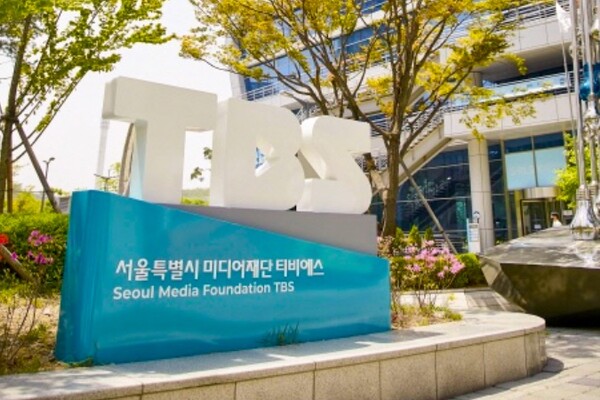
The Broadcasting, Media and Communications Commission voted at a plenary session on April 29 to grant TBS a conditional three-year license renewal and to allow commercial advertising. TBS management and the TBS chapter of the National Union of Media Workers welcomed the decision, saying they see ad approval as a new channel to diversify the broadcaster’s revenue. Both the company and the union cautioned that commercial advertising alone will not be enough to fully restore TBS to normal operations. The union also issued a statement urging the commission to secure independent governance and to commit to providing public funding.
On April 30, acting TBS CEO Joo Yong-jin told Media Today, “We are deeply ashamed and apologize for falling below the renewal benchmark as a Seoul-area broadcaster. That is without excuse. But administrative barriers make it unrealistic to rely solely on internal, self-sustaining measures. We will not give up, and we asked authorities to help clear a path forward.”
Joo said that permitting commercial ads will not cover operating costs. “The radio advertising market is shrinking, and TBS currently produces almost no content for commercial purposes. Still, this gives us one more avenue for revenue diversification, and we regard it as a valuable opportunity,” he said. He thanked the commission and the hearing panel for backing TBS’s chance to rebound and said the station will work to win government and other advertising contracts.
Media Union TBS Branch: “Commercial Ads Alone Are Not Enough”
On April 30, the TBS chapter of the National Union of Media Workers released a statement titled “Conditional Renewal and Commercial Ad Approval: The Start, Not the End, of TBS Normalization.” The union called the commission’s decision “a lifeline that gives TBS, pushed to the brink, the minimum foundation to keep broadcasting,” and welcomed the commission’s forward-looking move to avert a crisis. It said the decision should serve as a clear signal to restore the public broadcaster.
The union said commercial advertising alone is far from sufficient to rebuild a collapsed production environment or to quickly resolve long-accumulated unpaid wages and other abnormal management issues. It added that, despite securing renewal and advertising rights, external pressures and administrative neglect surrounding TBS remain ongoing.
The TBS chapter called for the decision to lead to “complete normalization” and demanded that the commission fulfill its responsibility to secure governance independence and public funding; that Mayor Oh Se-hoon and the current Seoul administration apologize for what the union described as a “barbaric campaign to strangle” TBS; and that candidates for Seoul mayor and city council in the June 3 local elections present concrete roadmaps to restore TBS as a public infrastructure that protects citizens’ safety and daily life—not as a tool of any particular power.
The union also demanded the immediate appointment of the commission-recommended director to fill the current vacancy so the board can operate stably and remain independent of political influence. In addition, it called for concrete plans to inject public funds—such as support from the Broadcasting and Communications Development Fund—until commercial advertising becomes a reliable revenue source.














Most Commented