
Ddanzi Group vs. Traditional Media: What Fueled Its 2025 Revenue Surge to 455 Billion Won?
Daniel Kim Views

Ddanzi Group, whose largest shareholder is Kim Eo-jun—the host of the YouTube channel “Kim Eo-jun’s Being Humble Is Hard News Factory”—reported approximately 45.5 billion KRW in revenue for 2025 (about $34.13 million). That more than doubled the previous year’s sales and put the outlet on an economic footing comparable to major daily newspapers. Analysts say the group’s commerce business, a model legacy media have experimented with, was the primary growth driver.
According to the Financial Supervisory Service’s electronic disclosure system (DART), Ddanzi Group posted 2025 sales of 45.5 billion KRW (about $34.13 million) and operating profit of 6 billion KRW (about $4.50 million). By contrast, in 2024 the company reported sales of 18.2 billion KRW (about $13.65 million) and operating profit of 1.6 billion KRW (about $1.20 million), marking a striking year‑over‑year increase. The 2023 figures—sales of 19.6 billion KRW (about $14.70 million) and operating profit of 2.9 billion KRW (about $2.18 million)—underscore how unusual last year’s jump was.
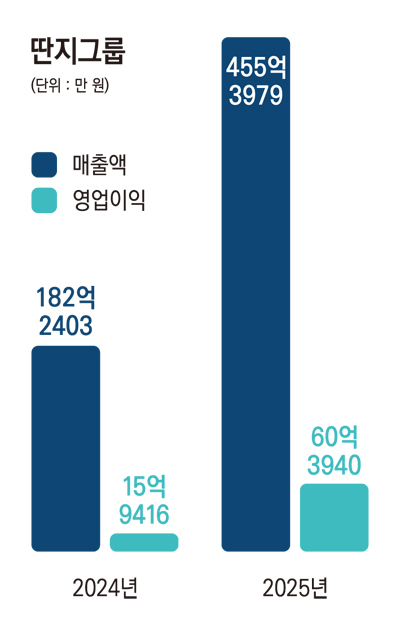
Those figures put Ddanzi Group in the same ballpark as established dailies. In 2025, Kookmin Ilbo reported sales of 52.5 billion KRW (about $39.38 million) and operating profit of 3.4 billion KRW (about $2.55 million). Kyunghyang, Hankyoreh and Hankook Ilbo reported sales roughly 30 billion KRW (about $22.50 million) higher than Ddanzi Group, but their operating profits were similar or lower.
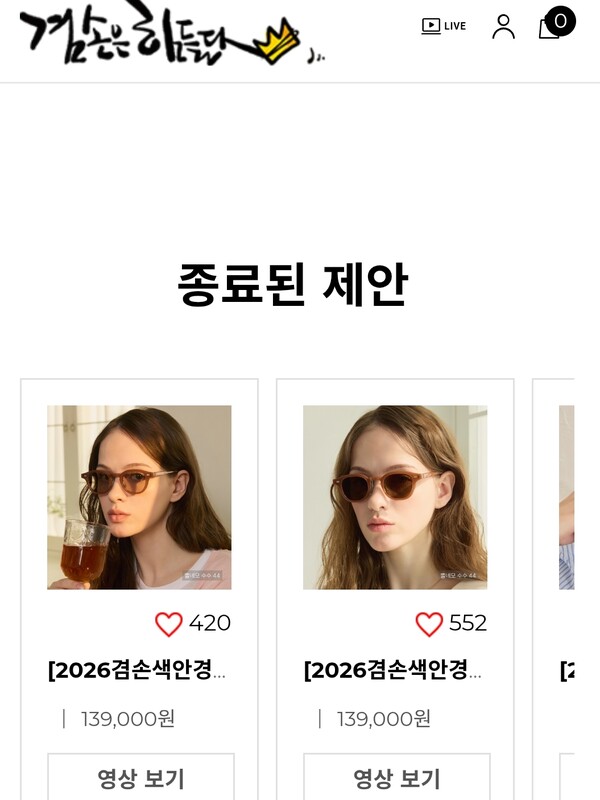
The surge was driven largely by Ddanzi’s commerce operations. On his April 20 broadcast, Kim said, “Ninety‑nine percent of the increase in sales and profit came from products we designed at the ‘Being Humble’ factory,” and added, “We are the world’s first YouTube‑based manufacturer.” In addition to selling third‑party goods on ‘Ddanzi Market,’ the group operates ‘Being Humble Is Hard Mall,’ which offers in‑house designed and manufactured products. Branded items—sunglasses, fountain pens and umbrellas—sold through that mall accounted for the bulk of revenue. While other political YouTubers operate marketplaces that sell outside products, few build and sell their own branded lines as Ddanzi has.
JoongAng Ilbo, which first reported on Ddanzi Group’s sales last year, attributed the rise to Kim’s fervent fanbase. The paper argued that whenever politics roiled—from the Dec. 3 uprising to the Democratic Party leadership race—supporters gravitated to Kim’s show, boosting ad revenue, donations and purchases on Ddanzi Market.
Kim rejected that interpretation. “This revenue increase has nothing to do with martial law, the presidential election or the party convention,” he said, adding that political allies might donate but “they won’t keep buying poor products. They aren’t reckless consumers. Designers who show at Paris Fashion Week make quality goods using domestic manufacturing, so customers buy again.”
No mainstream outlet has been this aggressive about commerce
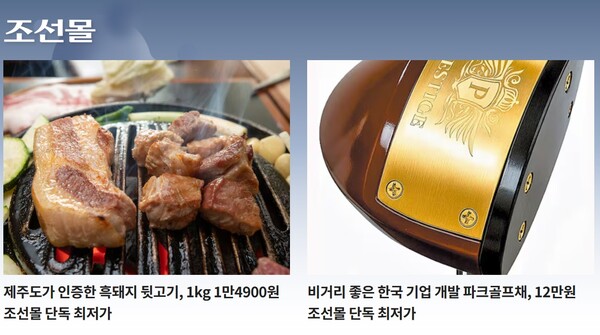
Commerce has long been one avenue for legacy media seeking to diversify revenue. As advertising income has declined, industry voices have urged news organizations to leverage trust to create product‑sales platforms. Chosun Ilbo runs “Chosun Mall,” linking advertising and commerce, while Hankyoreh offers “Hankyoreh TV Market Hani” through an official partner.
Song Hae‑yeop, a media and culture professor at the National Gunsan University, said in an interview that talk of commerce growth has circulated for seven to eight years. “You can’t attribute Ddanzi Group’s increase solely to fandom,” he said. “Other outlets struggle to get exposure for products; many news organizations still resist monetizing this way. I haven’t seen an incumbent news organization push commerce this aggressively before.”
Choi Jin‑soon, an adjunct professor of media communication at Konkuk University, described Ddanzi’s results as a milestone. “This should be seen as the first clear case in Korean media where a ‘content‑community‑commerce’ revenue model is working in earnest,” she said. “It’s a shift from a news‑production organization to a relationship‑based revenue organization. Kim Eo‑jun’s model builds reader‑based revenue beyond reliance on platform algorithms.”
Choi added that traditional outlets have been preoccupied with visitors and pageviews, while Ddanzi focuses on who pays and how they engage. “They converted viewers and members into consumers through subscriptions and payments,” she said. “In some structural ways, it’s similar to The New York Times’ shift toward a subscription model.”
Kim’s challenge as he seeks a new terrestrial network
Kim has said his goal is to create a new kind of terrestrial broadcaster. On April 20 he said the decision came after the Yoon Suk‑yeol administration took office: “We must build a terrestrial network that is independent of political pressure, independent of advertisers’ economic pressure and independent of platform regulation — a terrestrial broadcaster without an antenna.” He added, “Our goal is to double every year. Reaching the 40 billion KRW range is not a peak achievement—it’s just the start.” (40 billion KRW ≈ $30.00 million)
But significant challenges remain. “Being Humble Is Hard News Factory” depends on YouTube, and algorithm changes can make audience metrics more volatile than traditional broadcasts. Perceptions of Kim as a political actor also pose risks: repeated entanglement in factional disputes has driven some subscribers away. While Kim argues that product quality explains the sales growth, observers say it is difficult to disentangle product appeal from fervent fan participation in driving revenue.

Choi warned that close ties to a politically engaged audience are both an asset and a liability. “Fandom cannot expand indefinitely; growth may plateau beyond a certain size,” she said. “If a ‘Kim Eo‑jun risk’ materializes, revenues could fall sharply.”
After last month’s broadcast about reporter Jang In‑su and the so‑called prosecution‑withdrawal deal ignited controversy, Kim said he would reflect on platform ethics and journalistic standards. Observers say the program must address these risks to maintain sustainable profitability. “People are watching whether News Factory, which functions as a media outlet, will actually apply journalistic norms,” Choi said. “We’ve moved beyond demanding no mistakes to demanding acknowledgement and rectification. Without that process, a ‘trust risk’ can erupt at any time and affect the business.”














Most Commented