
Translation result
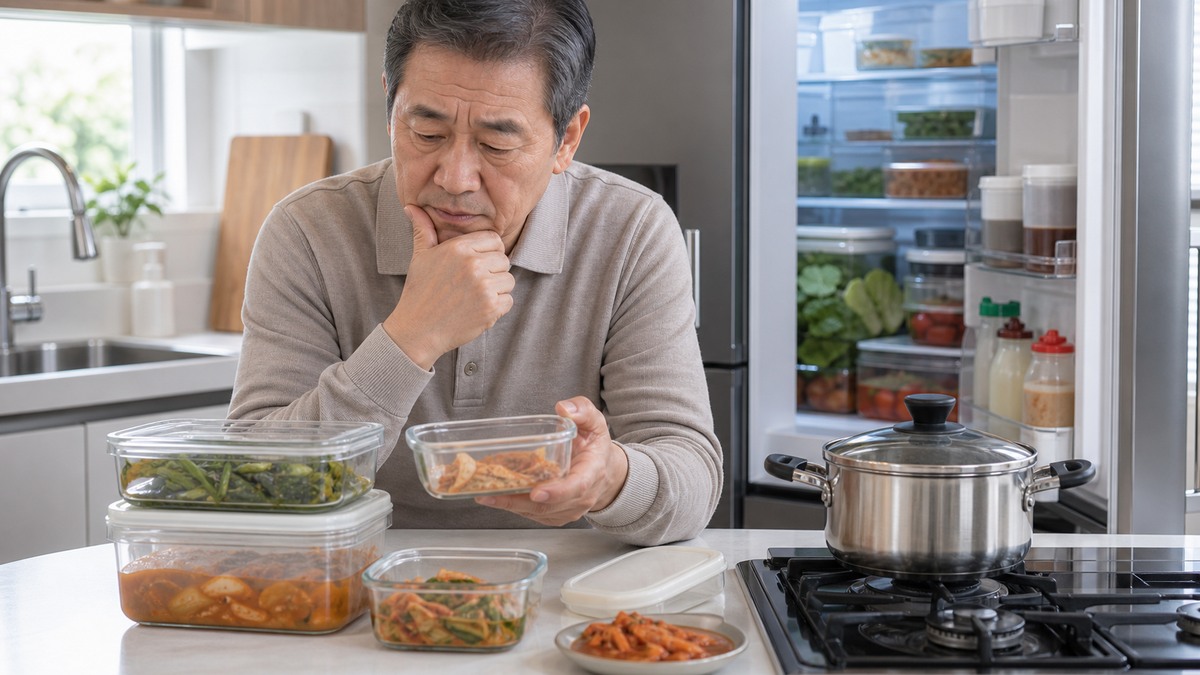
Stashing leftovers in the fridge and reheating them later is a household staple. But if you regularly cook big batches, now’s the time to tighten up how you store and reheat food as summer rolls in.
Your refrigerator slows bacterial growth — it doesn’t stop it. Leaving hot food out too long or putting a large, still-hot pot straight into the fridge can keep the center warm and raise hygiene risks.
Don’t rely on smell or taste alone to decide if food is safe. Even without obvious signs of spoilage, long storage times or unstable temperatures are red flags that deserve caution.
Any dish that gets double-dipped with utensils or watery stews with high moisture content can go bad more easily, even in the fridge. Caring about waste is great, but clear safety rules are just as important.
Don’t overtrust the fridge — portion and cool food the right way
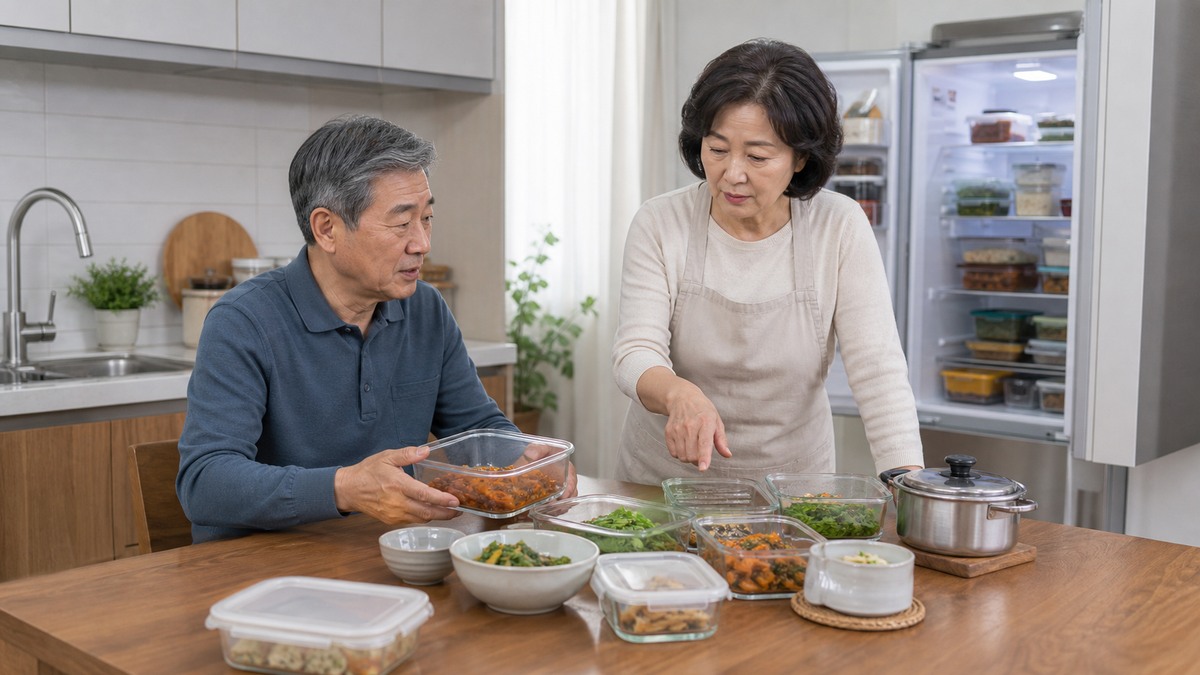
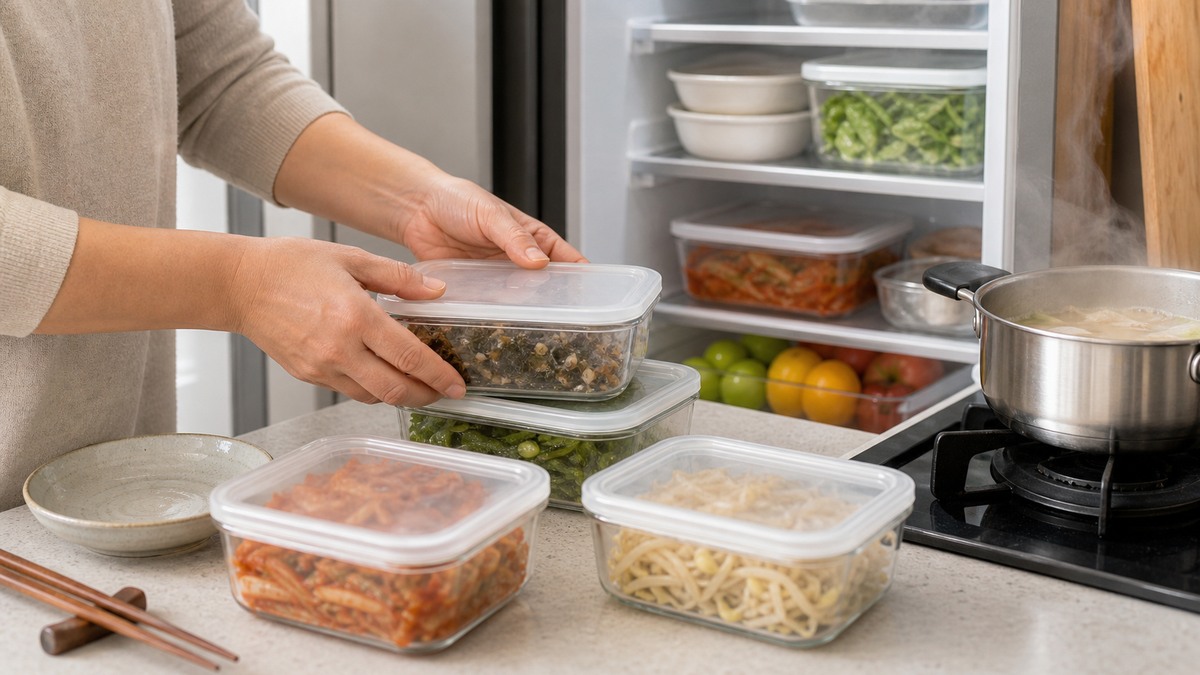
The simplest way to reduce foodborne illness is to only serve what you’ll eat right away. When you do save food, divide it into shallow containers so it cools quickly all the way to the center before you refrigerate it.
Label airtight containers with the preparation date so older dishes don’t get shoved to the back and forgotten. Instead of always putting new items in front, track when each item needs to be used.
When reheating soups or stews, stir and bring them fully to a boil so the entire pot is piping hot. If parts stay lukewarm while other areas are hot, you may not reach temperatures that kill harmful bacteria.
Microwaving requires a stir midway through heating. Heat often distributes unevenly, and cold spots are exactly where bacteria can survive.
Stretching meals and reusing leftovers can help your budget when prices climb. But clinging to tiny amounts until they go bad can end up costing you more in medical bills than you saved at the grocery store.
In homes with multiple people, assign someone to manage fridge shelf life. Set aside a zone for older items or make a weekend habit of clearing out and rotating food.
Shared pots of soup are especially prone to cross-contamination from ladles and spoons. Always use a clean serving utensil each time, and avoid leaving the pot on the table for long stretches.
Reheating, cooling, refrigerating, then reheating the same dish repeatedly speeds spoilage. Frequent temperature swings reduce quality and make safe handling harder.
Cook for your household and err on the conservative side
When temperatures rise, plan portions from the shopping stage to reduce what needs long-term refrigeration. Move away from “big-family” habits and cook only what you can eat within two to three meals to lower the risk of spoilage.
If you do make a lot at once, portion and freeze some right away. Rather than holding onto leftovers out of sentiment, check the safe-eating window and plan accordingly.
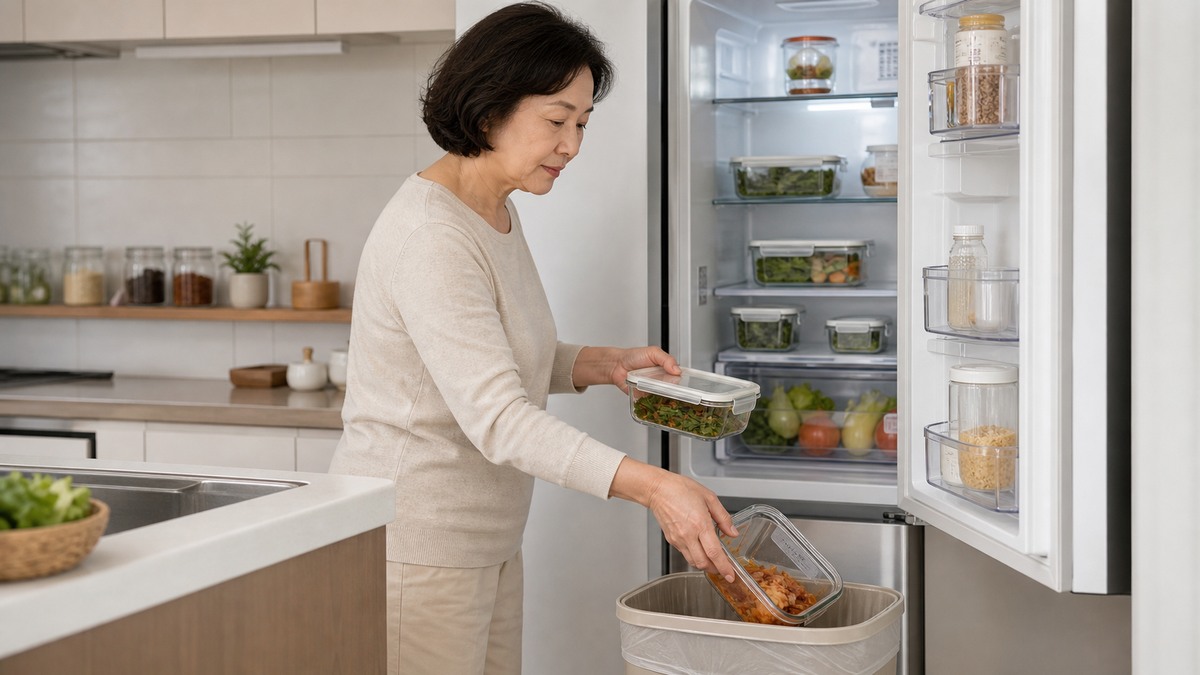
Households with older adults or young children should be extra conservative with hygiene. It’s usually smarter to toss tiny leftovers than to expose vulnerable family members to foodborne illness.
Bottom line: handle leftovers based on when they were made and how they were heated — not on a hunch that they “look fine.” Stick to simple hygiene habits and you’ll keep home-cooked meals safe and satisfying all summer.
실시간 인기기사
- “At least you’re resting,” say the kids — but 70-something parents who’ve cut off socializing may be showing a worrying sign
- “Now move to a smaller home”…well-meaning kids sometimes say things that deeply wound their parents
- “A funeral notice after years of silence?” — why people in their 60s are turned off by a flood of messages











Most Commented