
Translation result
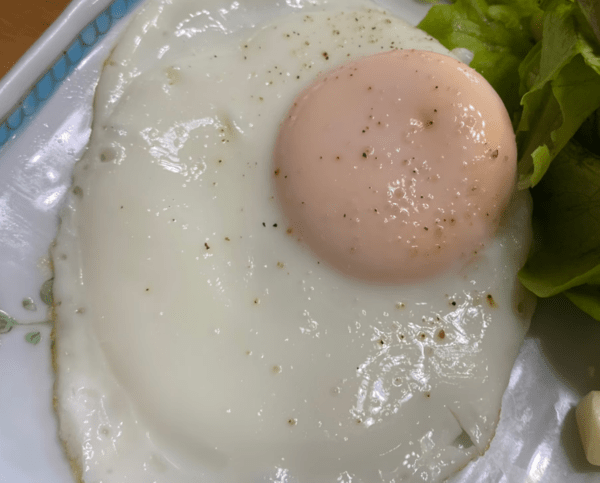
Is it really true you shouldn’t eat persimmons and eggs together?
The rumor that persimmons and eggs are a bad combo has been circulating online and on social media for years. Persimmons are rich in tannins, the compounds that give them that puckering, astringent bite. Some people claim those tannins can bind to egg proteins and make digestion harder.
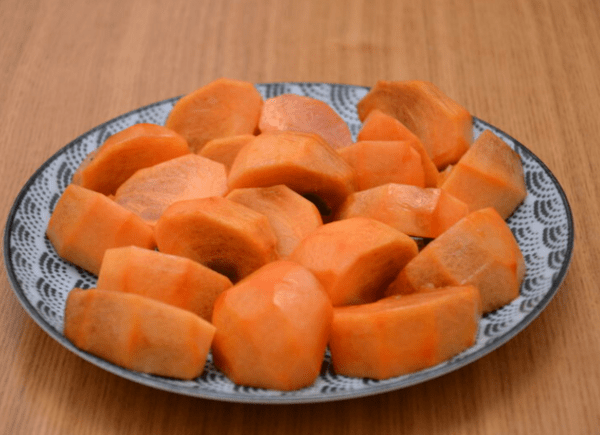
At a typical meal, though, solid scientific evidence that persimmons and eggs together cause serious problems is limited. Still, eating a lot of persimmons at once or consuming them on an empty stomach if you have a sensitive digestive system can trigger indigestion or stomach discomfort. Experts suggest it’s more helpful to tell people with delicate stomachs to avoid overeating persimmons rather than to brand the pairing as outright dangerous.
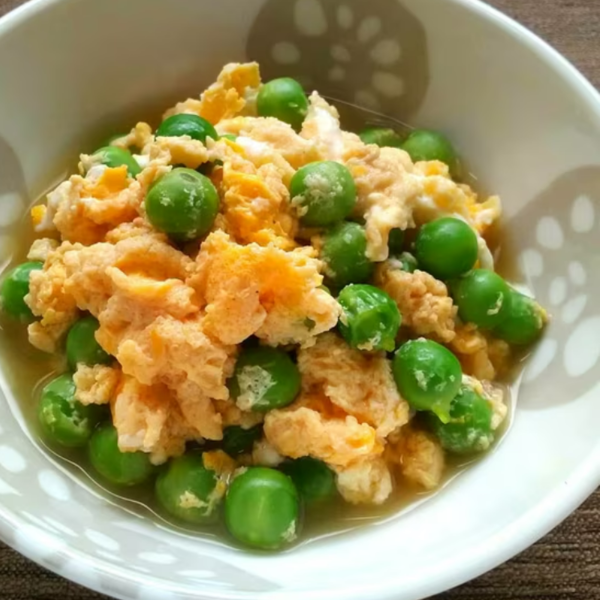
Beans and eggs: a combo you probably eat more often than you think
There’s also chatter that beans and eggs are a poor match because beans contain trypsin inhibitors. Trypsin is an enzyme that helps break down protein, and raw beans have compounds that can interfere with its action. That’s why some worry beans might reduce how well you absorb egg protein. But most bean dishes are cooked thoroughly, and that changes things.
Trypsin inhibitors are heat-sensitive, so boiling or frying usually deactivates them. In fact, dishes like tofu with steamed eggs, soy milk with boiled eggs, or other cooked bean-and-egg combinations are often praised for their protein content. Nutrition experts generally agree that cooked beans eaten with eggs pose little health concern.
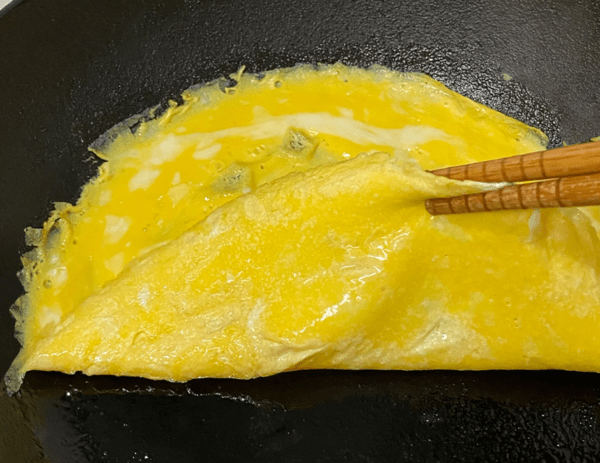
Does sugar reduce the nutritional value of eggs?
Sugar paired with eggs also gets a bad rap. The main concern is when people use way too much sugar while cooking eggs. At very high sugar levels and temperatures, some amino acids in eggs can react with sugars, potentially affecting how the body uses those nutrients.
Plus, sweet egg dishes can spike blood sugar quickly, which isn’t ideal if you’re watching your health. Eggs themselves are a high-quality protein source, but loading them with sugar increases calories and sugar intake. For a healthier option, experts recommend pairing eggs with vegetables or mushrooms instead of sugary ingredients.
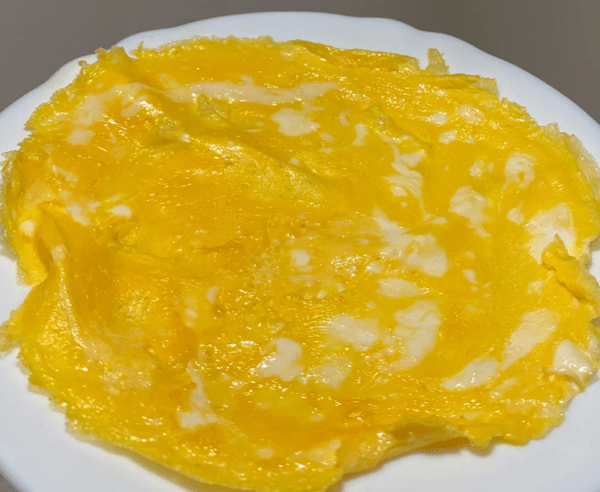
Eggs are great—but what you pair them with matters
Eggs are often called a near-complete food because they’re packed with protein, vitamins, and minerals. But no matter how nutrient-dense a food is, digestion and nutrient use can change depending on what it’s eaten with.
Experts consistently advise caution with high-tannin foods like persimmons, raw beans that could affect protein availability, and ingredients like sugar that are easy to overconsume. So when you reach for eggs, thinking about pairings—not just flavor—can help you get the most from your meal.
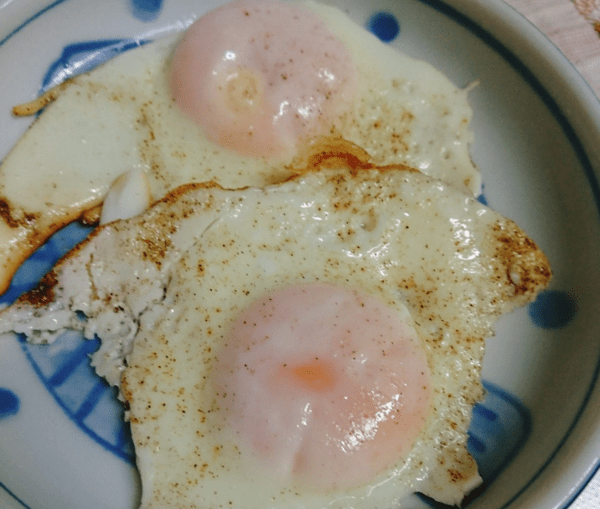
Eggs shine when paired with a variety of foods
Eggs offer a balanced mix of protein, vitamins, and minerals. Pairing them with vegetables can boost vitamin absorption, and eating them with whole grains can help you feel full longer. Combinations like avocado and eggs, tomato and eggs, or broccoli and eggs have become go-to healthy options.
Experts say overall nutritional balance matters more than obsessing over a single food pairing. Treat viral food-pairing claims as a starting point and get in the habit of checking whether science backs them up.

Real-life example in Korea
A Korean health program once tested the rumor that you shouldn’t eat eggs and persimmons together. Experts on the show concluded that at normal serving sizes the combo was unlikely to cause problems. They also pointed out that many bean-and-egg dishes, like steamed egg with tofu, are commonly enjoyed as healthy meals.
After the broadcast, online reactions included comments such as I heard since childhood not to eat them together, but that wasn’t necessarily true; old wives’ tales and science don’t always match; food pairings need fact-checking, too.













Most Commented