
Translation result.
‘This’ Is a Common Convenience Food in Korea — But in the U.S., It’s Touted as a Top Health Food
Contents
Why Kimbap Became Korea’s Go-To Convenience Food
Why It’s Seen as a Health Food in the U.S.
Why Foreigners Are Surprised by Kimbap
How an Ordinary Home Meal Went Global
Why Kimbap Became Korea’s Go-To Convenience Food
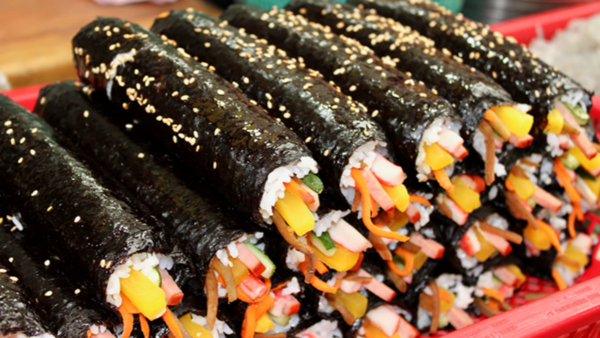
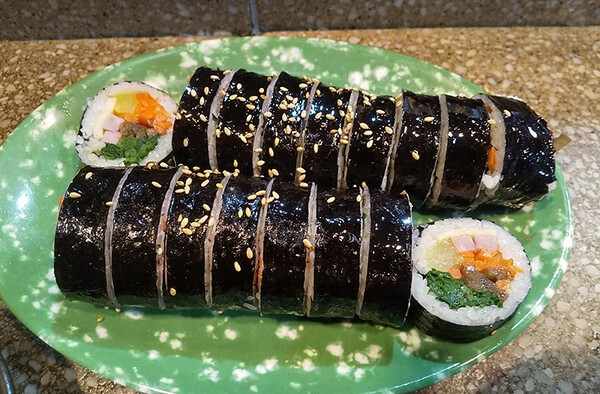
Kimbap is one of those dishes Koreans grow up with—practical, comforting, and endlessly versatile. You see it at picnics, on road trips, and as a quick grab-and-go meal. It stacks rice, veggies, and protein into a neat roll, so people often call it a “one-roll meal” for good reason.
It used to feel like something only made at home, but today kimbap is everywhere: convenience stores, snack bars, you name it. Because it’s so familiar, many Koreans barely notice how special it is.
Why It’s Seen as a Health Food in the U.S.
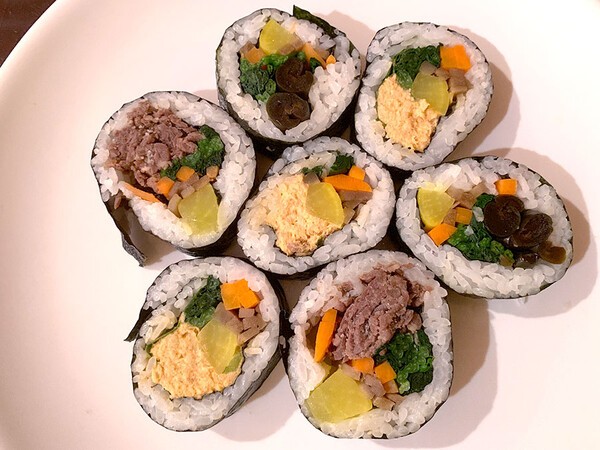
In the U.S., kimbap is often praised as a balanced, healthy option. It brings together vegetables, protein, and carbs in one tidy package, so it’s easy for people to view it as a nutritious choice. International outlets sometimes call it a “Korean roll” or a “Korean-style healthy lunchbox.”
With growing interest in wholesome eating, kimbap has gotten even more attention. Because it’s not fried and includes a variety of vegetables, some Americans liken it to a portable salad—satisfying, fresh, and relatively light.
Why Foreigners Are Surprised by Kimbap
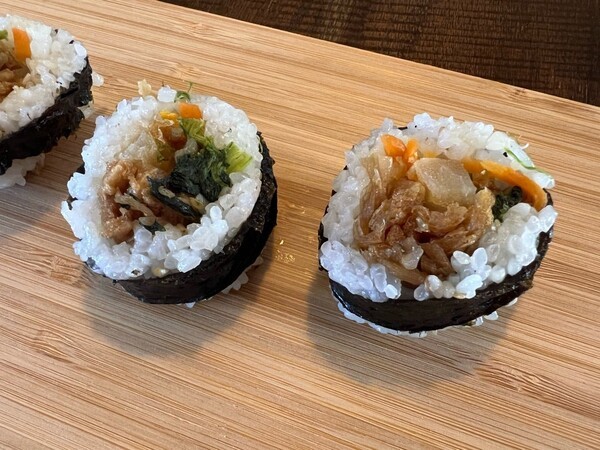
At first glance, many foreigners expect kimbap to be similar to Japanese sushi. But once they taste it, they’re often struck by the toasted sesame oil aroma and the unique ingredient combos that set it apart.
Fillings like pickled radish, spinach, carrots, and egg aren’t common in many other cuisines, so newcomers often say, “It’s tastier and more filling than I expected.”
Varieties such as bulgogi, tuna, and vegetarian kimbap have also helped broaden its appeal, and specialty kimbap shops are starting to pop up across the U.S.
How an Ordinary Home Meal Went Global
For many Koreans, kimbap is just a handy, no-fuss meal. Abroad, though, it’s often celebrated for its nutritional balance and simplicity.
Food’s value shifts with familiarity. What’s everyday in Korea can feel fresh and wholesome to others—and that contrast helps explain why kimbap is finding new fans around the world.











Most Commented