
Translation result
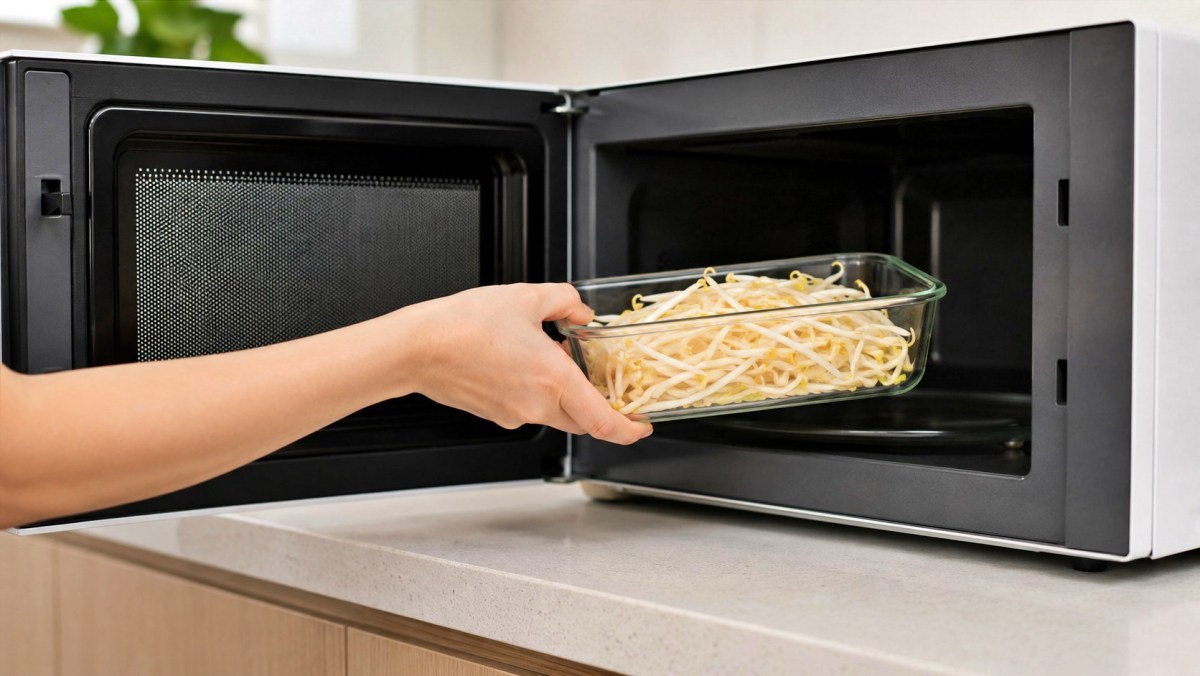
Hanging over a gas stove or fussing with an induction range is more exhausting than you’d expect. On hot afternoons or rushed mornings, boiling water and blanching vegetables can feel like a full-on production. That’s where the microwave saves the day—turning mung bean sprouts, mushrooms, and other veggies into quick, tasty sides with minimal effort. Short heating times and very little water help preserve texture and flavor, and cleanup is a breeze.
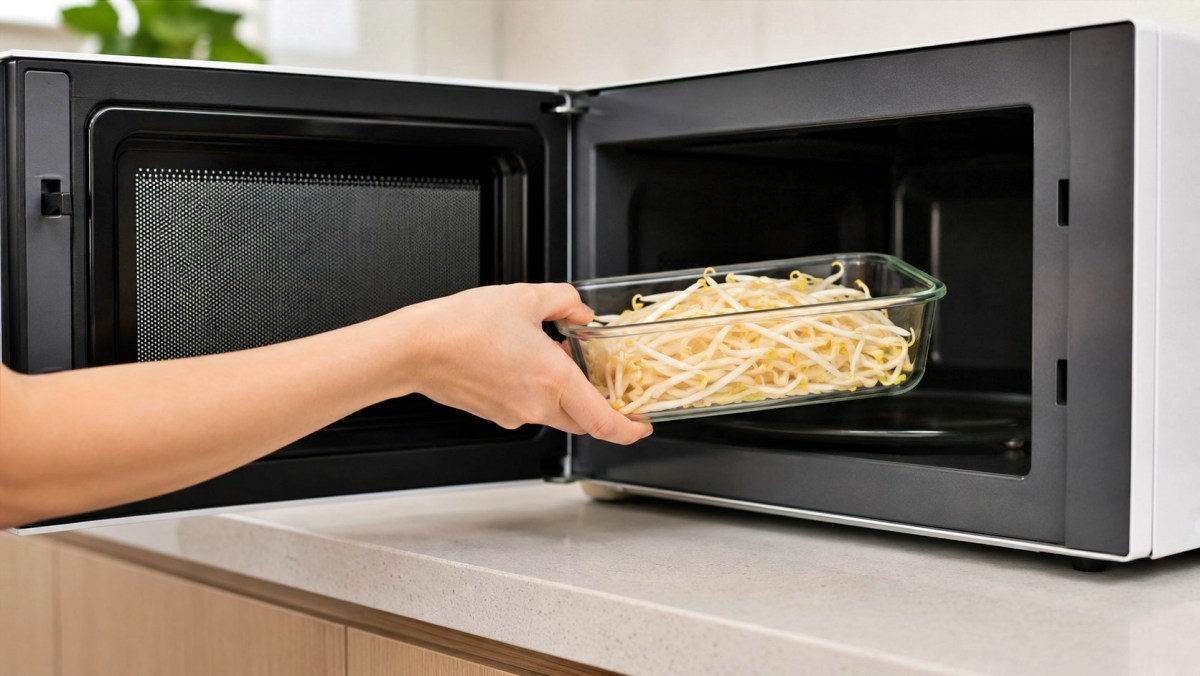
Cook mung bean sprouts briefly without adding water
Crispness is the whole point of mung bean sprouts. Overcook them in boiling water and they’ll collapse and go limp in seconds. The microwave helps keep that satisfying snap while skipping the stove.
Rinse the sprouts, shake off excess water, and put them in a microwave-safe, heatproof container. Don’t add water—the sprouts contain plenty of moisture and will steam under a tight cover. Seal the container with plastic wrap or a microwave-safe lid and heat for about 1 minute 30 seconds to 2 minutes. For larger batches, stop and check rather than running a long cycle in one go. When they’re done, don’t rinse under cold water; just pour off any condensation. Toss with salt, sesame oil, minced garlic, and sesame seeds, then gently mix with chopsticks—you’ll have seasoned sprouts in around three minutes.
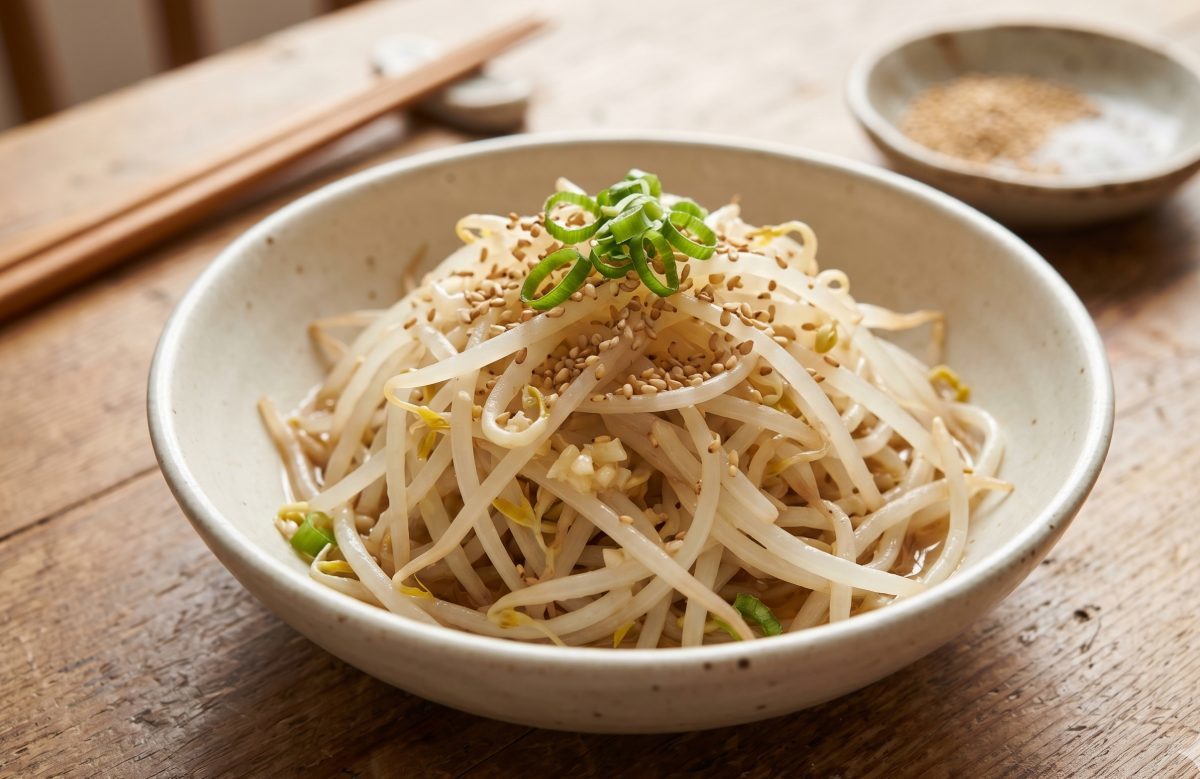
Why does microwaving protect texture? It’s all about how heat works. Mung bean sprouts are thin and very watery, so prolonged heat quickly ruins their crunch. Microwaves excite water molecules inside the food, generating heat from within. Boiling, by contrast, heats from the outside in. In the microwave, the sprouts’ own moisture turns into steam and cooks them internally, which limits cell-wall breakdown and helps them stay crisp.
High-moisture sprouts: timing is key
Mung bean sprouts are sprouted mung beans with over 90% water content. Expose them to heat too long and they’ll shrink, dry out, and get tough. That’s why dunking them in lots of boiling water isn’t always ideal—especially for dishes where chew and texture matter.
Nutrients like vitamin C and asparagine, plus water-soluble fiber, are sensitive to heat and can leach into cooking water. Blanching in lots of boiling water can wash some of those nutrients away. Microwaving cuts water use and keeps heating under about two minutes, which helps retain water-soluble nutrients. It also suits sprouts’ low calories and mild sweetness, and because you don’t add much extra water, dressings won’t become watery and you’ll spend less time draining them.
Make pork-and-sprout steam in the microwave
Sprouts aren’t just for side dishes—they make a great base for one-bowl meals, like thin-sliced pork belly with sprouts, which is microwave-friendly. Spread a generous layer of sprouts across the bottom of a deep, microwave-safe glass dish. Lay thin slices of pork belly or thinly sliced beef on top without overlapping. Drizzle about 2 tablespoons of cooking wine over the meat, then spoon on a sauce made from 1 tablespoon oyster sauce mixed with 1/2 tablespoon minced garlic. Cover with plastic wrap, poke three small vent holes, and microwave for about 5 minutes.
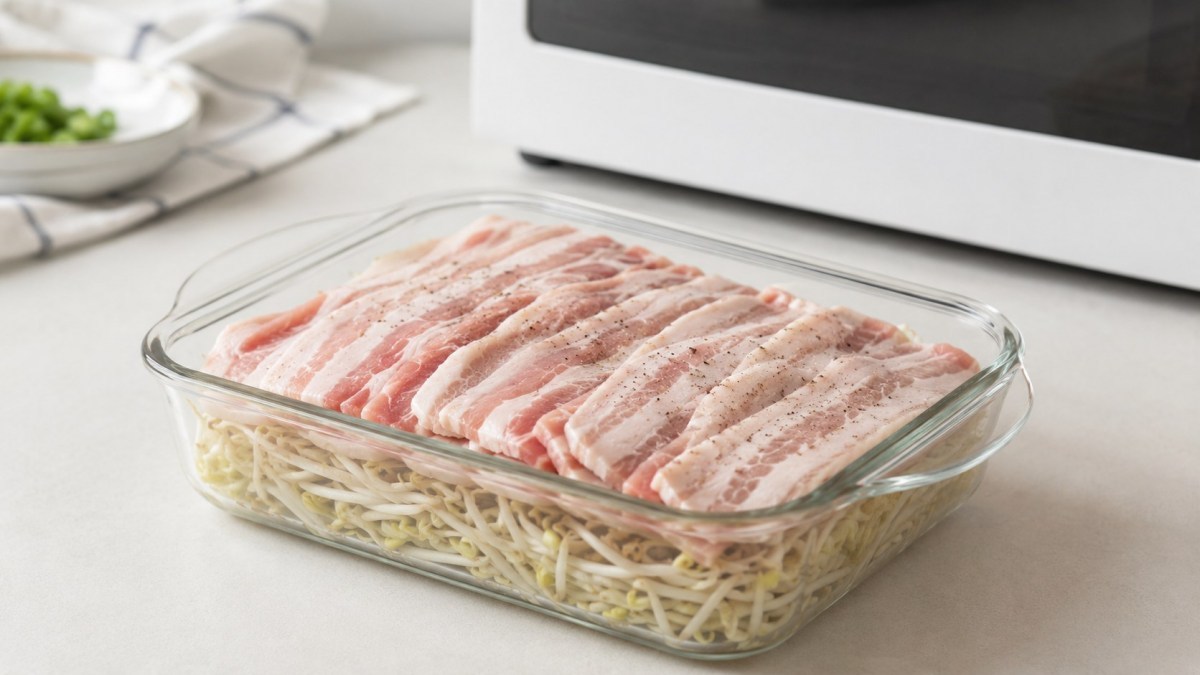
This technique uses the sprouts’ moisture to steam the meat from below, keeping it juicy while the meat’s fat and umami drip down into the sprouts. You avoid hot oil splatter from pan-frying, and the sprouts are less likely to become soggy. Don’t overdo salty sauces like oyster sauce or soy sauce up front—if the sprouts lose too much moisture, the meat can become dry and tough. Season lightly at first and adjust saltiness with a dipping sauce after cooking to keep both the sprouts’ moisture and the meat’s tenderness.
Pierce egg yolks for the mung bean sprout–egg–cheese bake
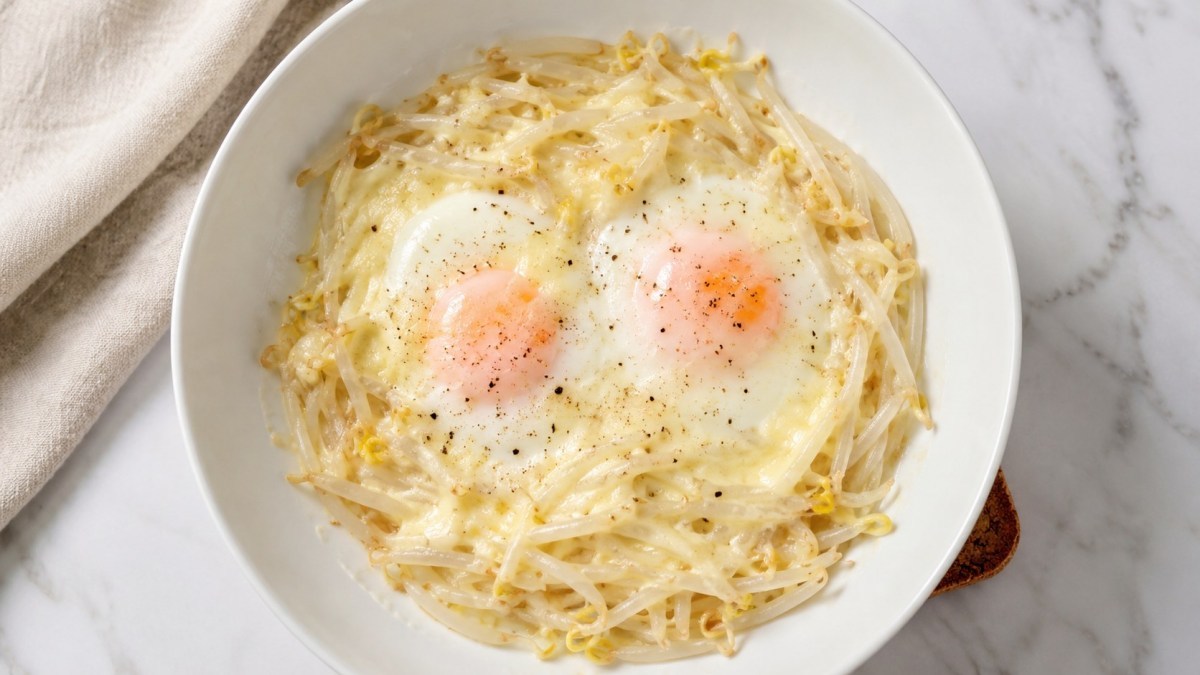
For a different vibe, try a mung bean sprout, egg, and cheese bake. Pile a thick layer of sprouts on a wide, flat plate and press a shallow well in the center. Crack two eggs into the well. Microwaving eggs can trap pressure under the yolk’s thin membrane, and a sealed yolk can burst during cooking or when removed. To lower the risk, gently pierce each yolk a couple of times with a fork or toothpick to break the membrane.

Season the sprouts around the eggs with a pinch of salt and pepper, then scatter shredded mozzarella to taste. Cover with a lid or plastic wrap and microwave for about 3 to 3 minutes 30 seconds. The eggs and cheese should set softly while the sprouts underneath stay pleasantly crisp—perfect for a quick breakfast or light late-night snack. The sprouts also act as a cushion, so eggs and cheese are less likely to stick to the plate.
Short heating works for soybean sprouts and spinach, too
Soybean sprouts, which share a structure similar to mung bean sprouts, also respond well to microwaving. They contain enzymes that can cause an off smell if you open or close a pot lid carelessly while cooking. Place rinsed soybean sprouts in a heatproof container, seal with plastic wrap, and microwave for about 2 minutes 30 seconds. The trapped high heat cooks them quickly, cuts off-odors, and keeps stems and roots pleasantly crunchy. It’s a great no-fuss side for busy days. Just be careful when removing the wrap—the container will be full of hot steam right after cooking, so don’t put your face over it.
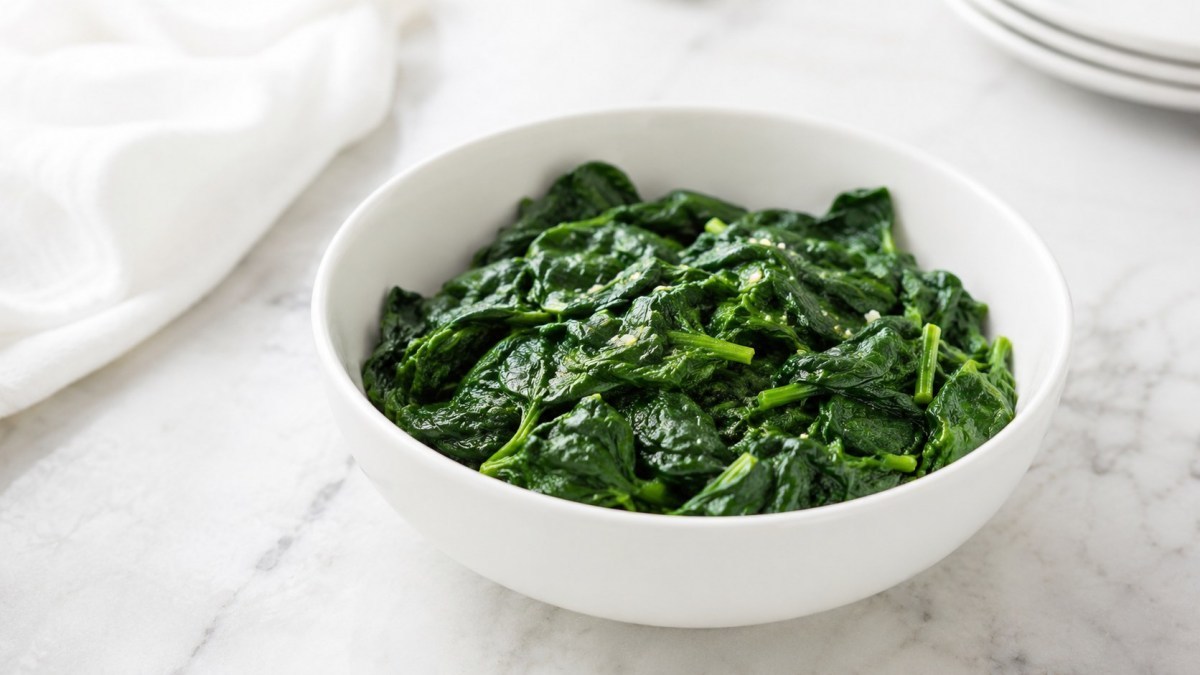
Spinach also benefits from short microwave bursts. When you blanch spinach, a 10–20 second difference can leave leaves overly limp. Place rinsed, slightly wet spinach on a plate, cover with plastic wrap, and microwave about 1 minute. The leaves stay a bright deep green and wilt just enough. Rinse briefly in cold water, gently squeeze out excess water, and season with a splash of soy sauce and a drizzle of sesame oil. To avoid crushing the leaves, don’t press them right after heating—just squeeze lightly. Spinach wilts fast, so microwave in short intervals and check doneness to avoid overcooking.
Use less water for broccoli and mushrooms
Broccoli is often blanched in salted boiling water, but the microwave is a smart alternative. Antioxidants and vitamins can leach into boiling water, and trapped water between florets can make them soggy. Cut broccoli into bite-sized pieces, leave a little surface moisture, place in a microwave-safe container, and microwave about 1 minute 30 seconds. You’ll preserve a texture that’s both firm and tender while keeping its nutty flavor more pronounced. Less time spent drying means servings won’t feel damp on the plate.
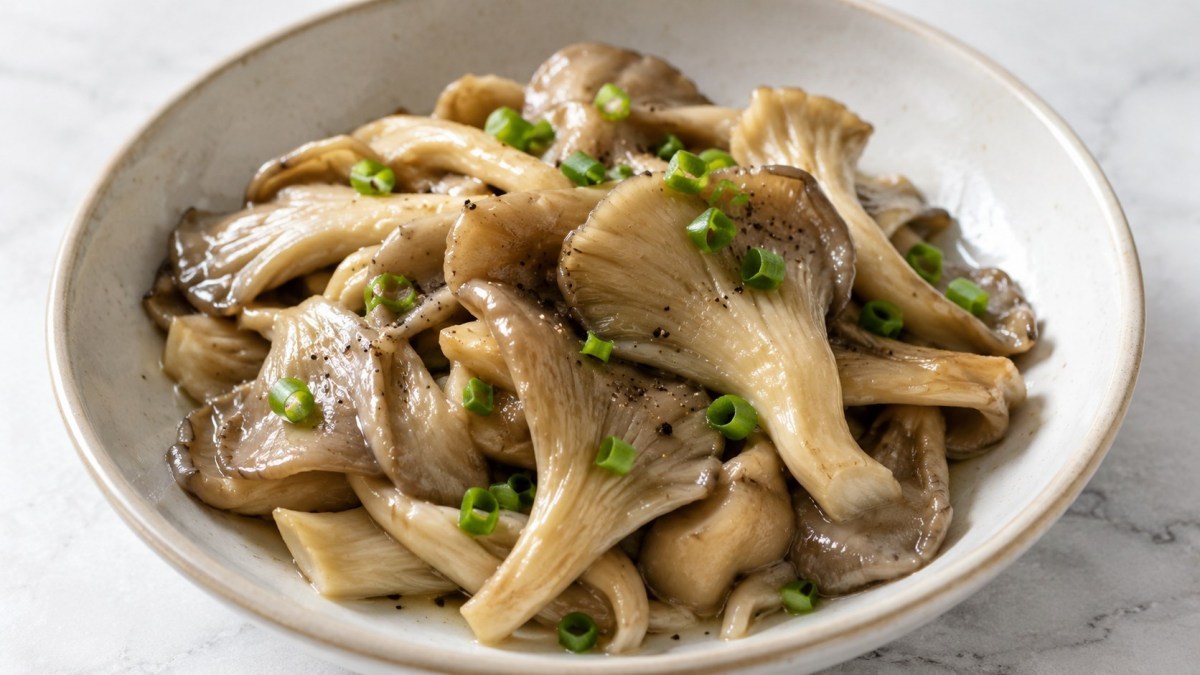
Mushrooms like oyster and enoki are also ideal for low-water cooking. Mushrooms soak up water like sponges, so long exposure to liquid makes them soggy. Tear oyster mushrooms into strips and microwave for about 2 minutes without adding water—their own moisture will steam them perfectly. Save the liquid they release—it’s a great base for soups. Cooked mushrooms keep a pleasant chew and taste delicious with just salt and scallions. Skipping extra water also preserves mushroom aroma. For enoki, trim the root end and spread them loosely so they cook evenly.
Check your containers and plastic wrap before cooking
First rule: use the right container. Always choose microwave-safe heatproof glass, ceramic, or BPA-free plastic. Don’t microwave disposable plastic bags or thin takeout containers for long periods—those can warp or leach unwanted chemicals into your food. Get in the habit of checking the container’s bottom or label to confirm it’s microwave-safe.
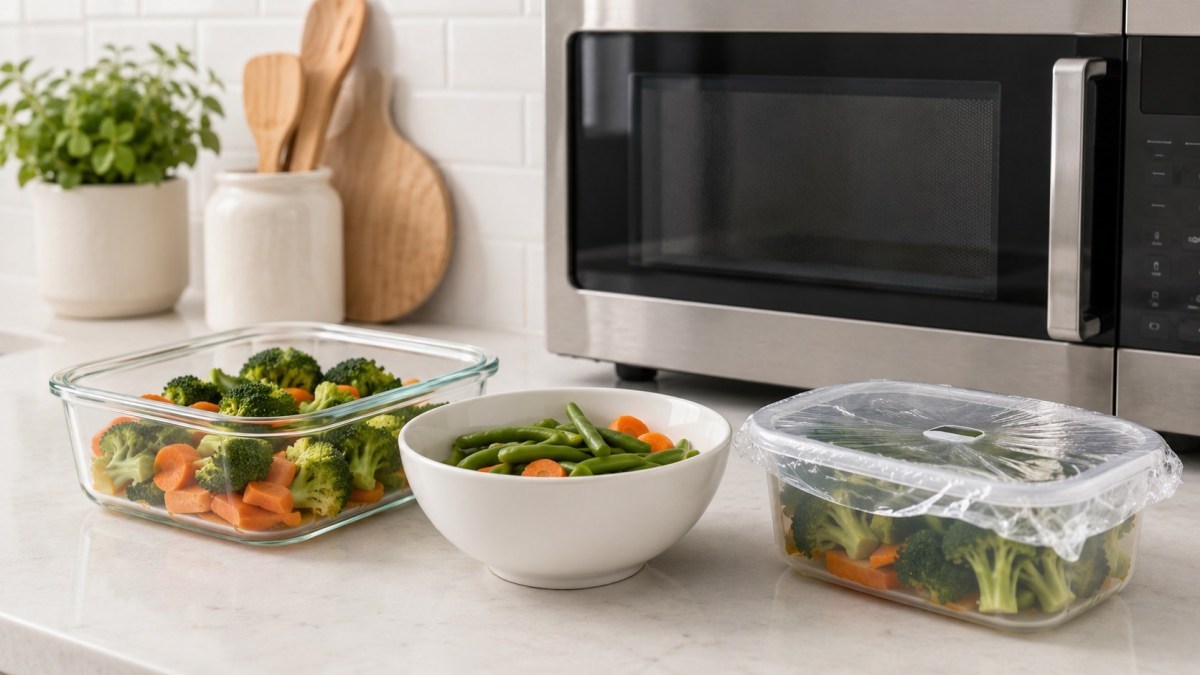
Be careful with plastic wrap. If you seal a container completely, steam pressure can inflate or burst the wrap and scald you when you remove it. Leave a small vent or poke holes with a fork. Cooking times depend on vegetable amount and your microwave’s wattage—a 700W and a 1000W microwave will cook differently—so start with shorter intervals and check in one-minute increments. Don’t pack vegetables too tightly; overcrowding prevents even heating. When cooking mixed ingredients, microwave firmer vegetables first, then add delicate greens like spinach or sprouts later. Remember that residual heat will keep cooking the food, so season or plate right away to lock in texture. If you want to spend less time over the stove while keeping flavor and nutrients, make microwave veggie cooking part of your routine.










Most Commented