
Translation result
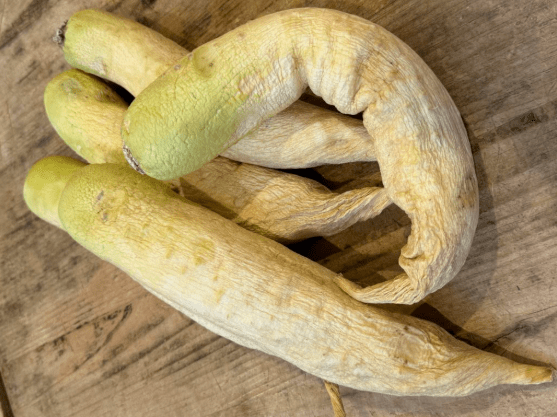
3 foods that actually get more nutritious when dried.
Drying certain ingredients can change their nutritional profile and how they function in your body. As moisture evaporates, nutrients concentrate, and some compounds even transform into more active forms. So when you hear, “Why go through the trouble of drying food?”—there’s a surprisingly sound reason. Sweet potatoes, daikon (Korean radish), and shiitake mushrooms are clear examples of ingredients that offer amplified benefits after drying.
Isn’t eating them fresh better?
Not always. For some nutrients and effects, drying actually enhances the benefits.
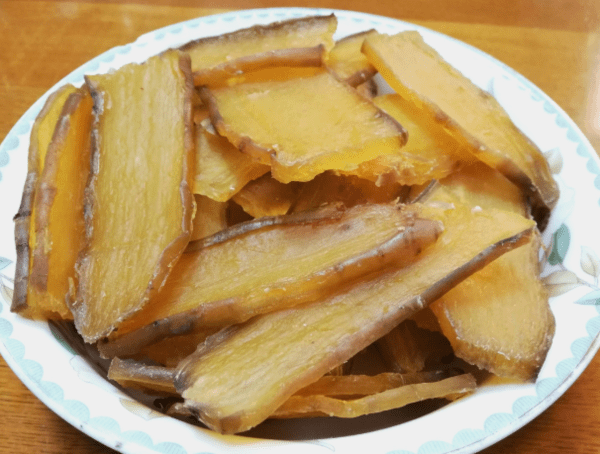
Dried sweet potatoes — concentrated fiber and sugars for energy and gut health
Sweet potatoes are already fiber-rich, but drying removes water and concentrates those fibers and natural sugars. That makes them better at promoting bowel movement and supporting regular digestion, and it also turns them into a convenient, quick-energy snack. Because sugars become more concentrated, stick to a small portion—about a handful a day—rather than grazing on a lot at once.
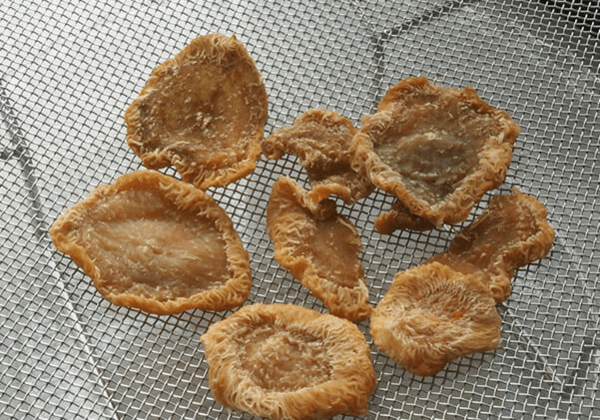
Dried daikon — a bone-friendly boost of calcium and minerals
Dried daikon (often enjoyed as mu-mallaengi) ends up with higher concentrations of calcium and other minerals because its water content is reduced. Since calcium is essential for maintaining strong bones, regular, moderate intake can be beneficial. It’s also high in fiber, which supports digestion. Try a small serving each day, split between a side or a snack.
I feel lighter after eating dried daikon.
That sensation is likely thanks to its fiber content helping digestion.
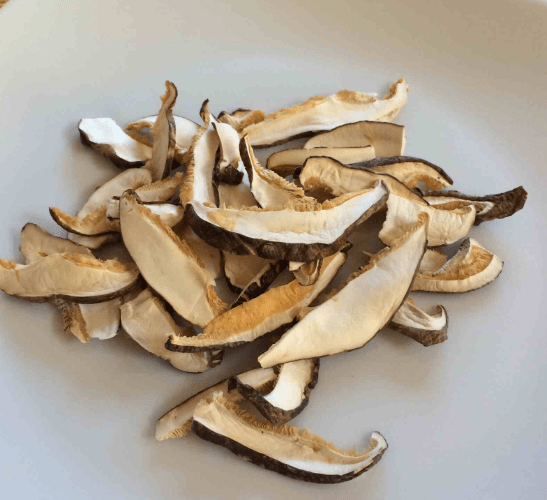
Dried shiitake — more vitamin D to support immunity and bones
Shiitake mushrooms undergo one of the most notable transformations when dried. Sun drying converts ergosterol into vitamin D. Vitamin D helps the body absorb calcium and plays a key role in immune health, which is why dried shiitake often get more nutritional attention than their fresh counterparts. Toss them into soups or stir-fries for an easy nutrient boost. About 3–5 dried mushrooms a day is a sensible target.
Some people change their eating habits after switching to dried foods
A woman in her 50s reported that after swapping some snacks and side dishes for dried ingredients, she felt less bloated and found it easier to manage portion sizes. Individual results vary, but simply changing an ingredient’s form can shift how you eat.
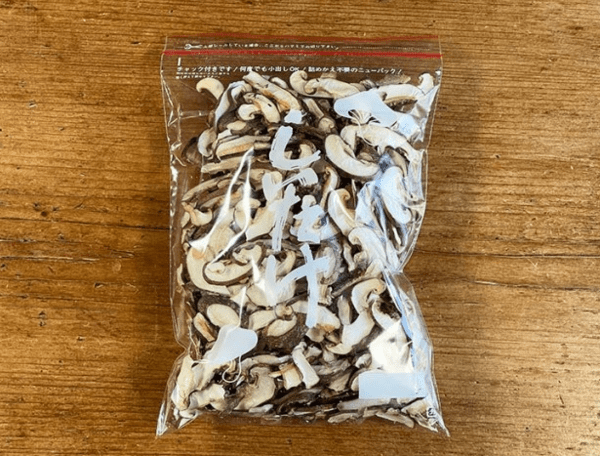
With dried foods, portion control is key because nutrients are concentrated
All three ingredients become more nutrient-dense after drying. That means you can get the same benefits with smaller portions than when eating them fresh. On the flip side, overdoing it could lead to excess sugar or mineral intake, so keep portions in check.
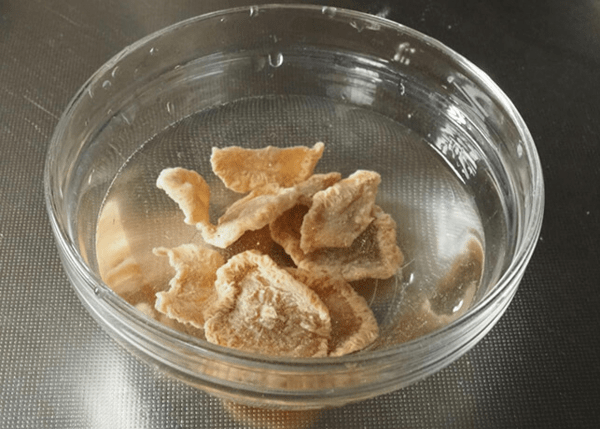
Dried ingredients are an efficient way to get nutrients
Drying highlights different strengths: sweet potatoes for digestion and quick energy, daikon for bone-supporting minerals, and shiitake for immune and bone health via vitamin D. The trick is consistent, moderate intake—not bingeing. How you prepare an ingredient can meaningfully change the impact it has on your body.











Most Commented