
Translation result
In Korea it’s as popular as cheonggukjang, while in Japan it’s praised as a superfood and even called a \”national side dish\”
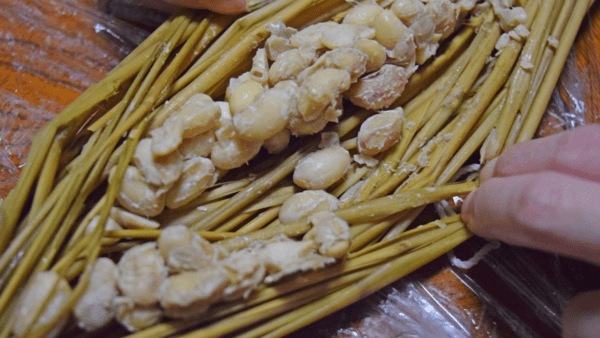
Table of Contents
Why natto is considered a superfood
Why that sticky mucilage actually matters
What’s unique about the fermentation
How it’s linked to vascular health
Why people compare it to cheonggukjang
How to enjoy natto the right way
Why fermented foods matter for long-term health
1. Why natto is considered a superfood
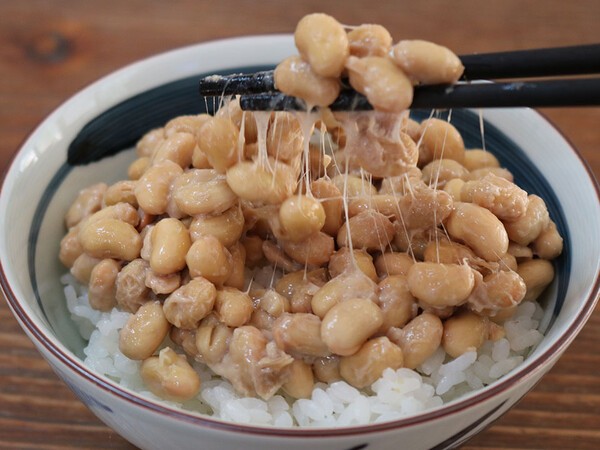
Natto is one of Japan’s signature fermented foods. Made by fermenting cooked soybeans, it has a potent aroma and a stringy, sticky texture that people tend to either love or hate. Still, it’s a breakfast staple across Japan—so common it’s practically a national side dish.
2. Why that sticky mucilage actually matters
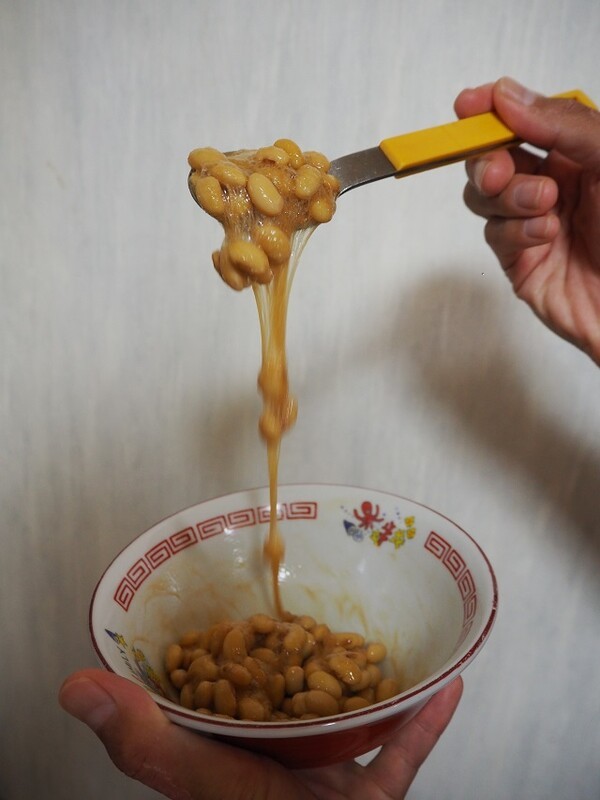
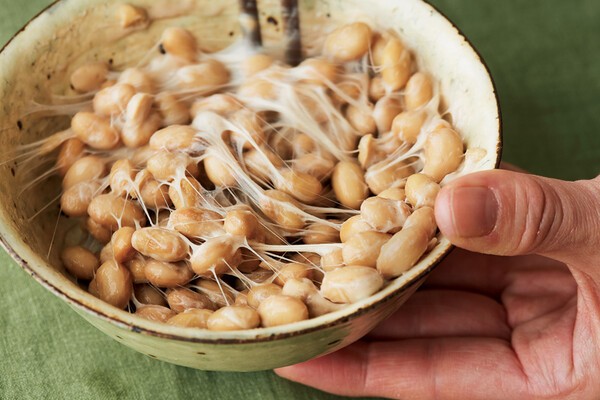
The long, sticky strands you see when you stir natto aren’t just a quirky texture. They come from proteins and mucilaginous compounds produced during fermentation, creating a unique structure. That viscosity is a defining characteristic that sets natto apart from other soybean dishes.
3. What’s unique about the fermentation
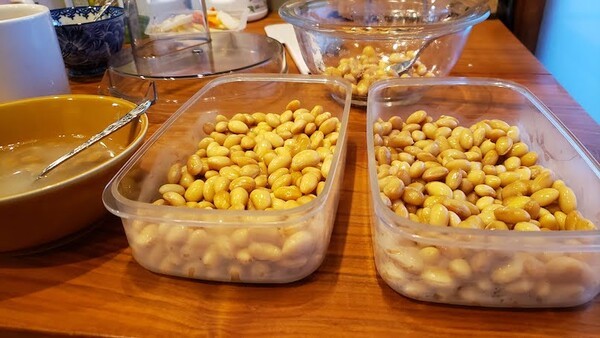
Natto is fermented with Bacillus subtilis natto. During that process, soybean proteins are transformed, producing the characteristic aroma and sticky texture. As a result, natto develops nutritional qualities that differ from plain cooked soybeans.
4. How it’s linked to vascular health
During fermentation, natto produces an enzyme called nattokinase. This compound shows up frequently in studies related to blood flow, and it’s one reason natto carries a strong health-food reputation in Japan.
5. Why people compare it to cheonggukjang
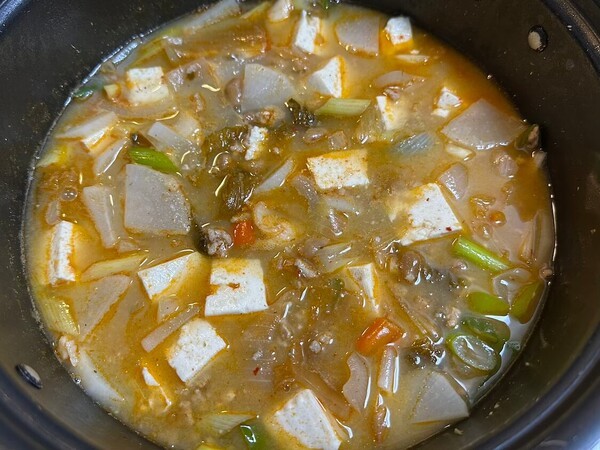
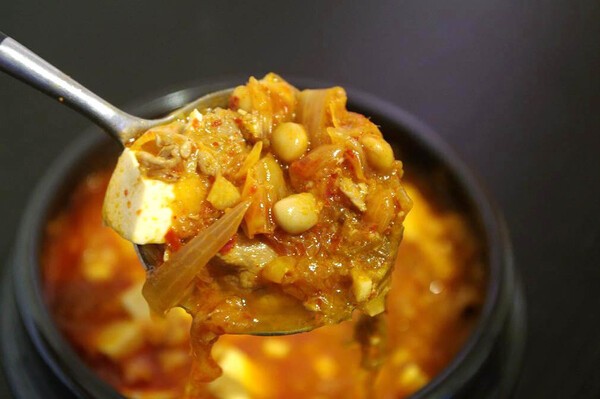
Both natto and cheonggukjang are fermented soybean dishes. Their strong smells and slimy textures can surprise first-timers, but many people come to appreciate their deep, savory profiles. That’s why Koreans sometimes refer to natto as a “Japanese-style cheonggukjang.”
6. How to enjoy natto the right way
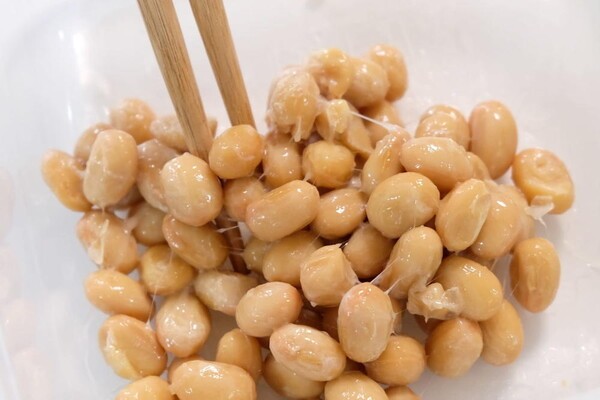
The classic way is to mix natto with soy sauce or a little mustard and spoon it over hot rice. Its aroma can intensify if it sits too long, so it’s best eaten fresh. Wrapping it in nori (seaweed) or pairing it with a raw egg can make the flavor more approachable for newcomers.
7. Why fermented foods matter for long-term health
Fermented foods aren’t just a way to preserve ingredients—they’re a culinary legacy built across generations. Over time, the fermented dishes you eat regularly can have a meaningful impact on how your body responds and adapts, which is why they play such a central role in many traditional diets.











Most Commented