
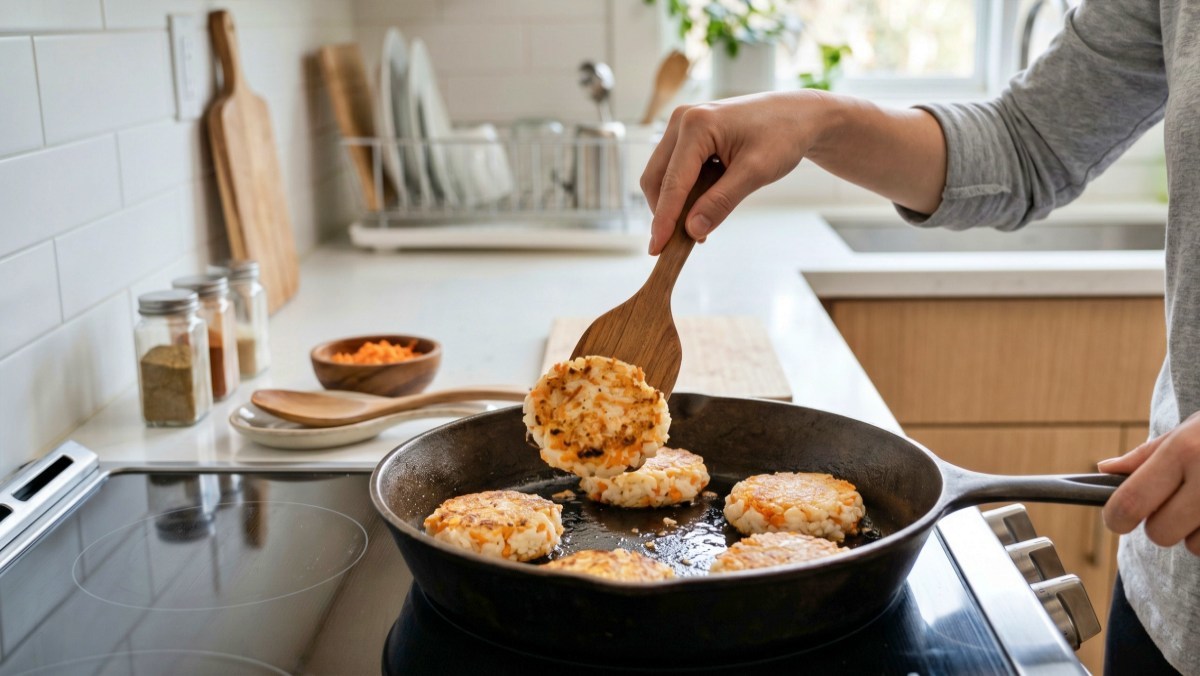
Carrots are a regular at the table, but their earthy aroma and firm bite can be polarizing. With a few smart tweaks in prep and cooking, you can dial down the scent and dial up the natural sweetness.
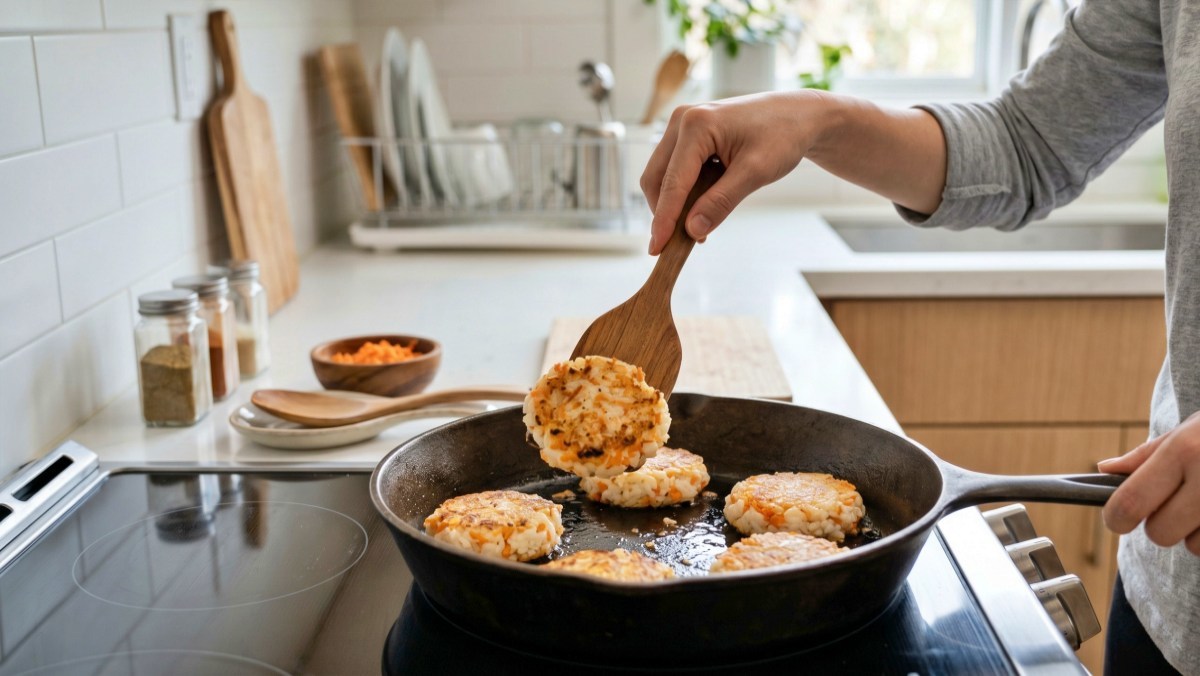
Think finely chopped carrots for rice pancakes, thin ribbons for shredded pancakes, and grated or very finely chopped carrots for toast. How you cut and cook them completely changes the experience—pan-frying or sautéeing in oil softens that vegetal note and concentrates sweetness. And pairing carrots with familiar flavors makes them much easier to love.
Carrot rice pancakes: filling with rice and eggs
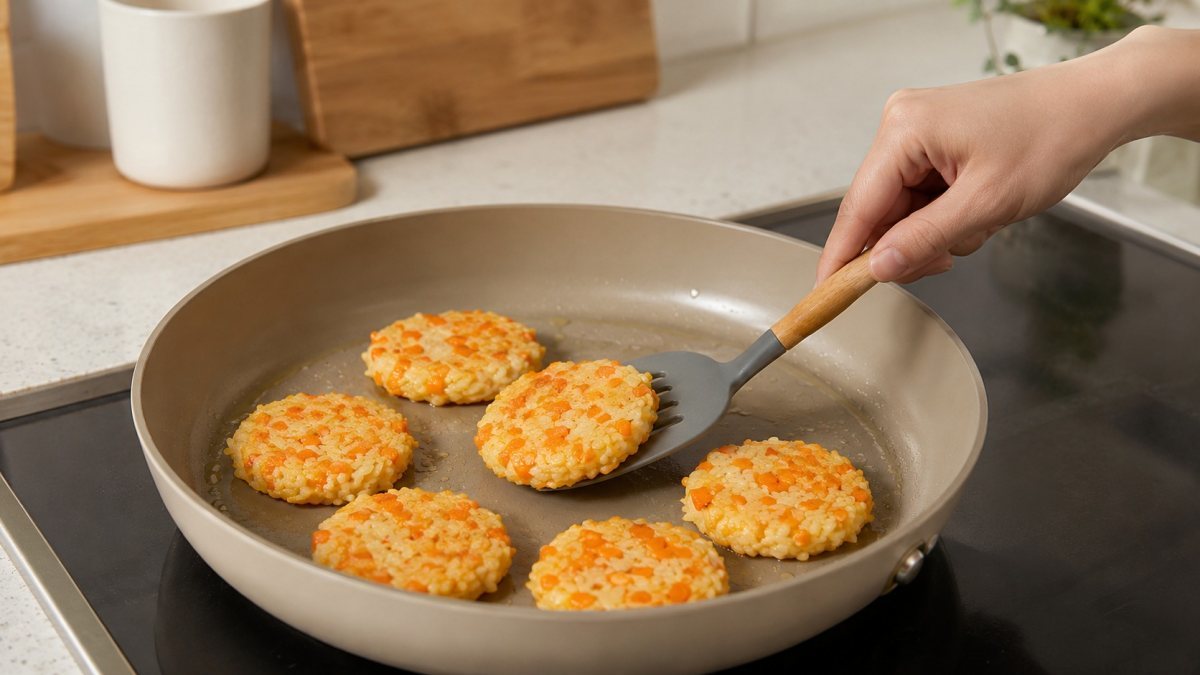
Carrot rice pancakes mix rice and eggs into one satisfying plate. The rice brings carbs, the eggs bring protein, and carrots add color and sweetness—perfect for a no-fuss meal or to use up leftover cold rice. Because rice is the batter base instead of flour, the texture feels heartier and more comforting.
Ingredients: 1/3 carrot, 1 bowl cooked rice, 1–2 eggs, a pinch of salt, and 1/2 teaspoon sesame oil. Start by chopping the carrot very finely to soften its firm texture. If chopping feels tedious, use a manual chopper or grater. Smaller pieces heat faster, which helps the carrot lose its raw crunch and become tender.
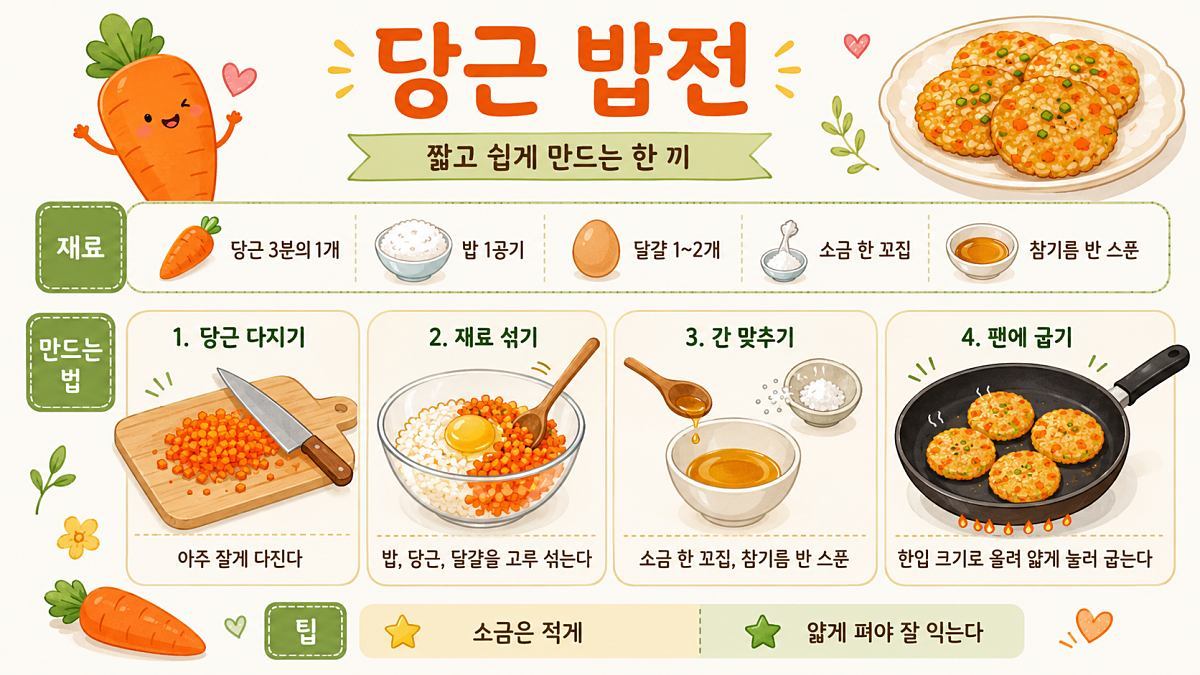
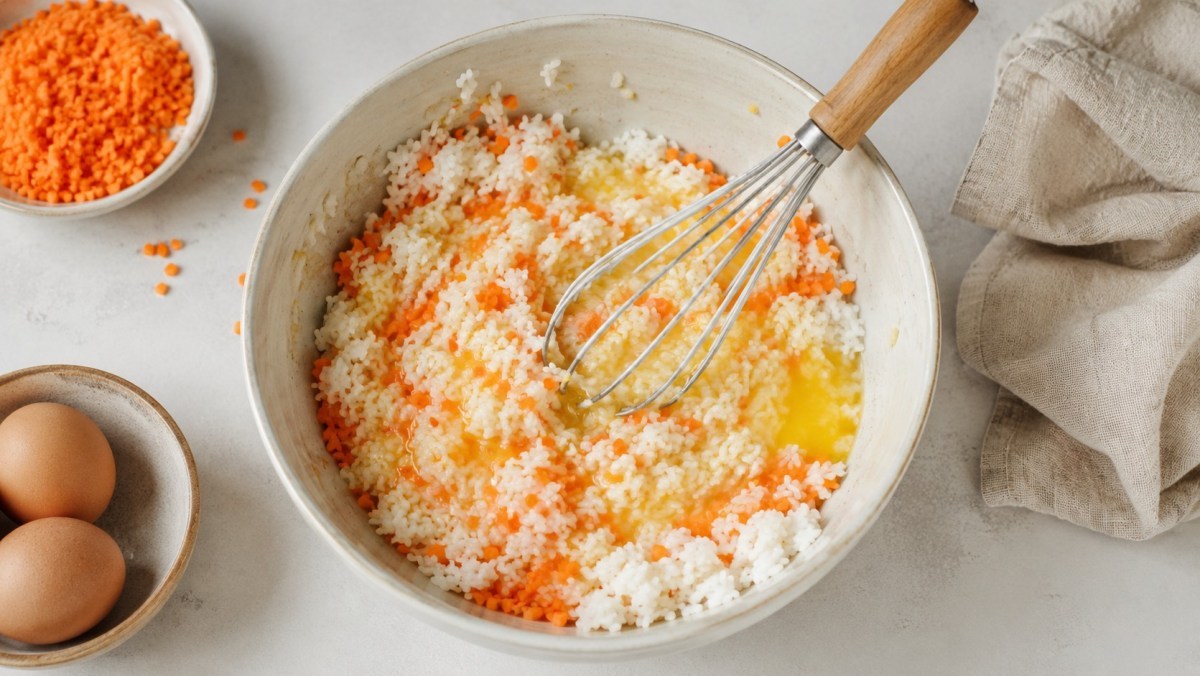
In a large bowl, combine the rice, chopped carrot, and eggs until evenly mixed. Add 1/2 teaspoon sesame oil and a pinch of salt. The egg keeps everything together, and the sesame oil tames the carrot’s earthy edge. Heat a skillet over medium, add a neutral oil, and spoon the batter into portions. Press each portion thin with the back of a spoon and cook until golden on both sides—for a crisp exterior and a soft interior.
Use salt sparingly. You don’t need heavy seasoning to let the carrot’s sweetness shine. If you add salty mix-ins like diced bacon or shredded cheese, skip the extra salt. Too much sodium isn’t great for your health. Also, don’t mound the batter—if it’s too thick, the carrot inside may not cook through and could stay tough. Spread it thin and even for the best result.
Crispy shredded carrot pancakes
If you want to radically change the carrot’s texture, try shredded carrot pancakes. Thin julienne strips fried in a pan can crisp up like fries, keeping the carrot’s color and shape while giving a satisfyingly crunchy bite—great for people who aren’t fans of raw carrot’s chew.
Ingredients: 1/2 carrot, 1½ tablespoons pancake mix or starch, and a pinch of salt. The thinner the strips, the more surface area hits the heat, so they crisp faster. A mandoline helps you get even thickness. Put the shredded carrot into a disposable plastic bag, add the starch and salt, puff in some air, and shake—this bonds the moisture to the powder and gives a thin, even coating while cutting down on extra tools.
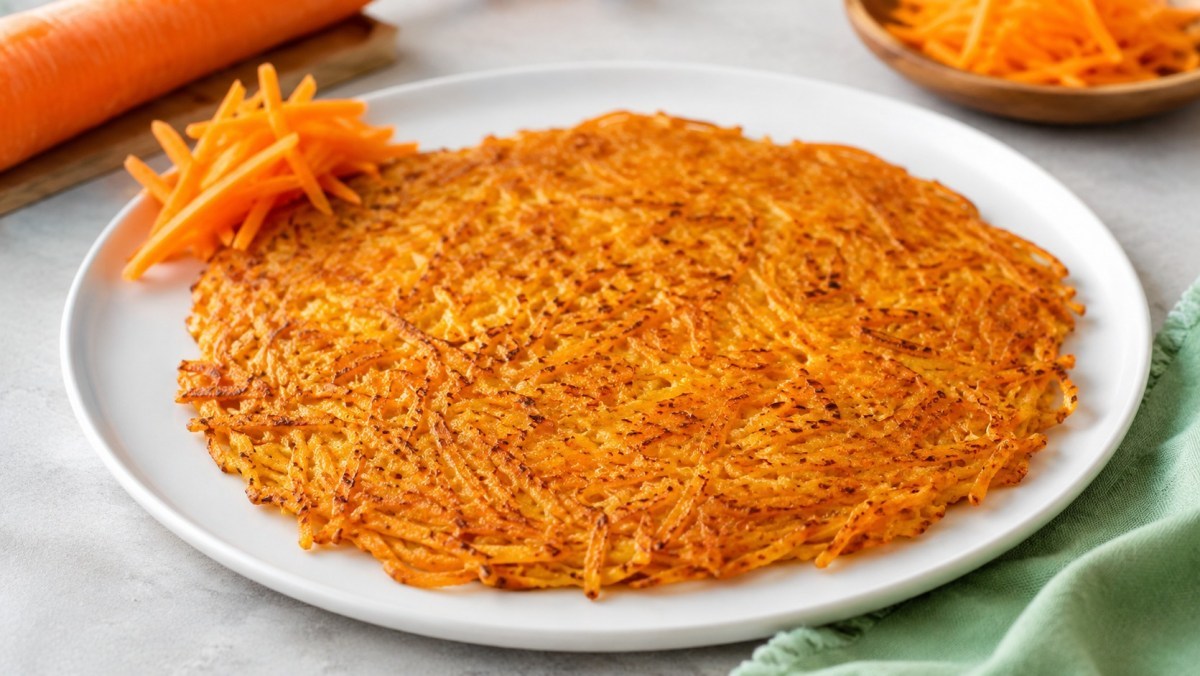
The starch soaks up carrot moisture and crisps the outside. Heat a skillet, add vegetable oil, and spread the coated carrot strips thin and wide. Keep the heat at medium-low—carrot sugars can burn on high before the inside cooks. Flip to brown both sides; as moisture evaporates, the sweetness concentrates.
When done, cut the pancake into long strips with kitchen shears for easy finger food. If it feels too oily, blot briefly on a paper towel to remove excess. And remember: if the strips are too thick or layered, they won’t crisp properly—so lay them thin from the start.
Carrot mayo toast: a snack-worthy twist
Carrot mayo toast is a quick, snackable fix. An air fryer or microwave means it comes together fast. The creaminess of mayo and the sweetness of oligo syrup (or sugar) blend with the carrot into a flavor that’s a touch like garlic bread. The method preserves color while toning down the aroma—an easy gateway for snack time.
Ingredients: 1 slice sandwich bread, 2 tablespoons grated or finely chopped carrot, 1 tablespoon mayonnaise, 1/2 tablespoon oligo syrup or sugar, and shredded pizza cheese. In a small bowl, mix the carrot, mayo, and syrup into a spread. Slather it on the bread and top with cheese. The mayo’s fat coats the carrot pieces so they don’t dry out while heating.
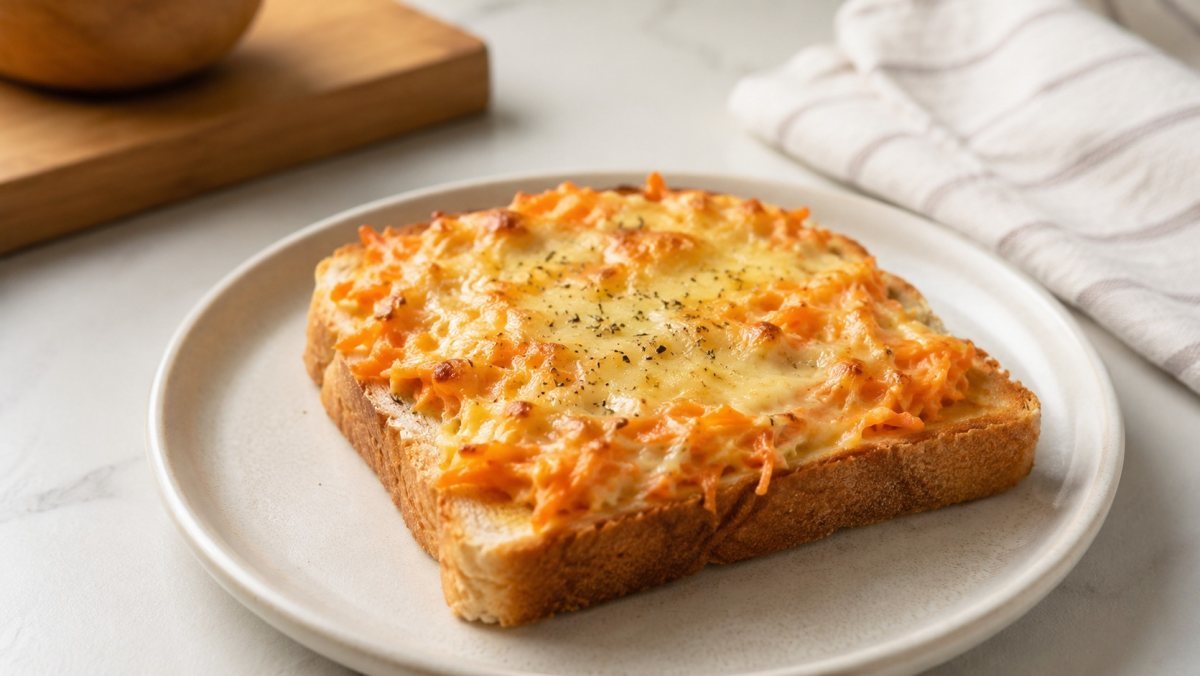
Set the air fryer to 356°F (180°C) and cook for about 5 minutes. No air fryer? Microwave until the cheese melts, roughly 1 to 1½ minutes. Heat melts the mayo’s fat and softens the carrot while toning down its scent. Right after cooking the cheese and sauce hold a lot of heat—cut into portions and let cool slightly to avoid burning your mouth.
Fat and heat help your body absorb nutrients
Cooking carrots with fat isn’t just tastier—it’s smarter. The star nutrient is beta-carotene, the compound that gives carrots their orange hue. Your body converts beta-carotene into vitamin A, which supports eye health, immune function, and mucous membrane integrity. During growth spurts or developmental periods, a steady vitamin A supply matters.
Beta-carotene is tucked inside tough plant cell walls, so raw carrots offer only about 10% absorption. Heating softens those walls, and cooking with fat helps beta-carotene dissolve into oil, increasing absorption. Methods that use oil or the fat in mayo—like carrot rice pancakes, shredded carrot pancakes, and carrot mayo toast—boost both flavor and nutrient uptake.
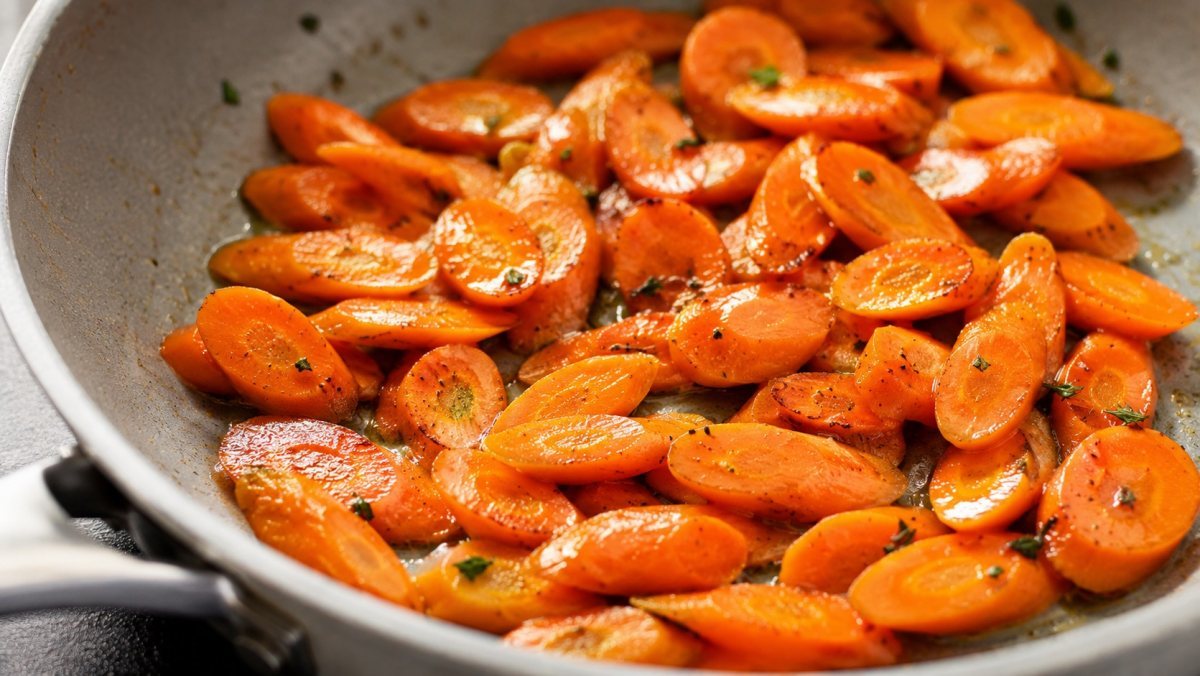
When combining carrots with other vegetables, watch out for ascorbinase. Raw carrots contain this oxidative enzyme, which can degrade vitamin C. Mixing raw carrots with vitamin C–rich veggies like cucumber, radish, or cabbage can reduce their nutrient content. Ascorbinase is sensitive to heat and acid, so briefly sautéing the carrot or adding a splash of vinegar or lemon juice will tame the enzyme.
How to pick fresh carrots
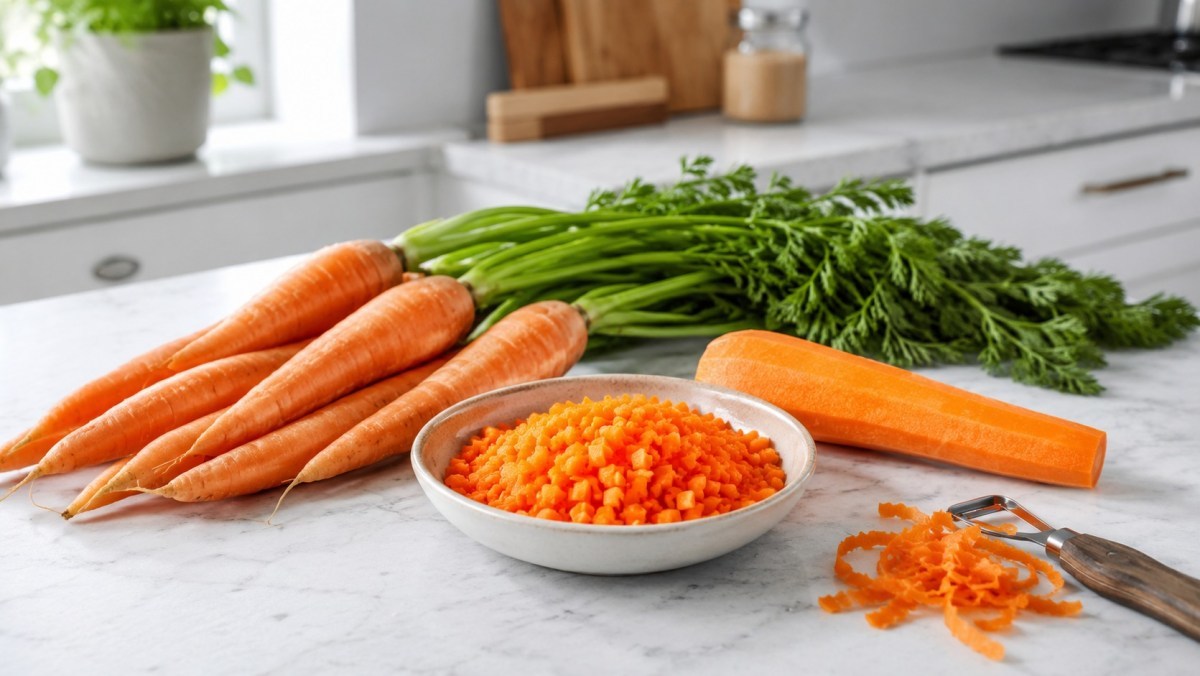
Look at both surface and color when choosing carrots. Smooth skin, few cracks or bends, and a uniform shape are signs of quality. A deep, vivid orange usually means more beta-carotene. If the top where the greens were attached looks overly wide or greenish, sun exposure may have toughened the flesh. Avoid carrots with surface wounds or signs of poor storage—they can build up isocoumarin, which tastes bitter. A carrot with a thin tip that feels heavy in your hand usually has good moisture and a tender core, which makes it sweeter when cooked.
Storage tips to keep carrots fresh
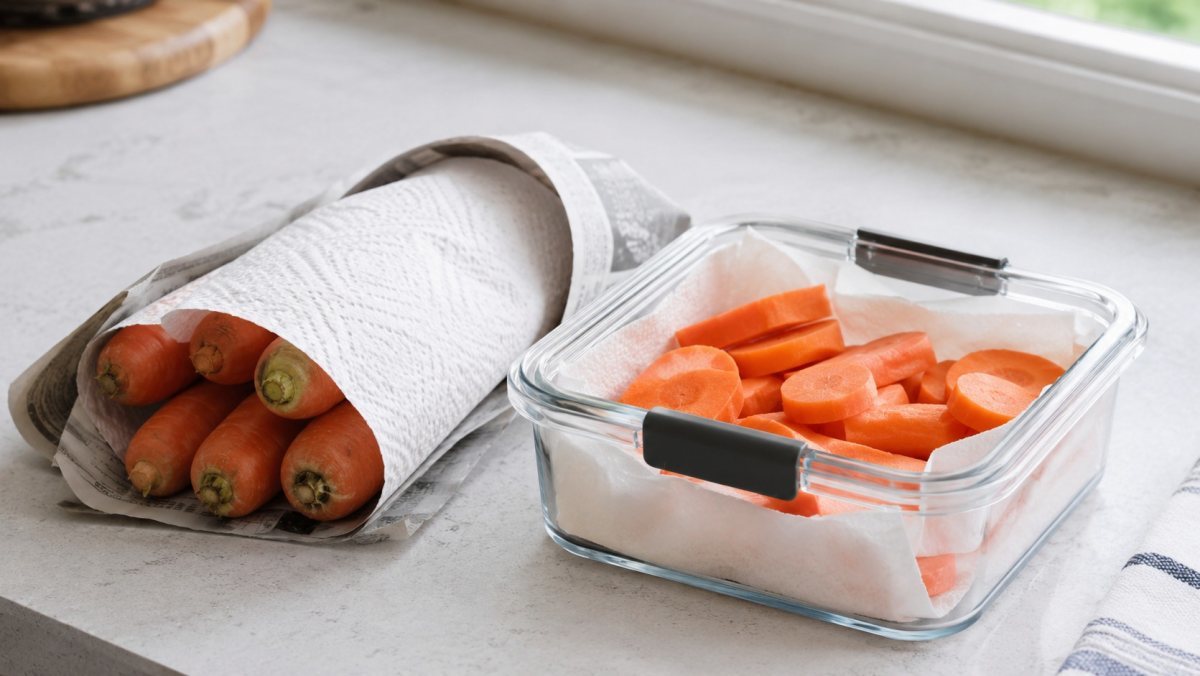
How you store them affects taste and freshness. Carrots are sensitive to external moisture; trapped humidity in a sealed space can cause surface spoilage. For carrots with dirt, don’t wash them right away—brush off loose soil, then wrap each in newspaper or a kitchen towel. Store them in a cool, well-ventilated spot or in the crisper drawer. The remaining soil acts like a protective layer, reducing damage and slowing moisture loss.
If you bought pre-washed carrots or have leftover pieces, dry them completely. Wrap them in a clean kitchen towel and store in an airtight container in the fridge to slow spoilage. Storing whole carrots upright in the direction they grew reduces moisture loss and helps retain crunch. For storage longer than a month, chop or julienne them to fit your use, spread them thin in a zipper bag, and freeze. You can add frozen carrots straight to a pan for rice pancakes or fried rice without thawing.
Prep tips before you trim carrots
Carrots are firm, so prep with care. Their round shape can make them roll on the cutting board and cause the knife to slip. Place a damp towel or silicone mat under the board to steady it, shave a thin slice off one side to create a flat surface, then place that side down before slicing. When using a mandoline, stop before the last small piece—you don’t want your fingers near the blade.
Beta-carotene stains easily and can leave orange marks on white plastic boards. Use a wooden or dark silicone board to minimize staining. If stains remain, rub a little cooking oil on a paper towel and scrub, then wash with dish soap—the oil helps dissolve the fat-soluble beta-carotene. Rinse knives and mandoline under running water right after use, remove lodged carrot bits, and dry before storing.
Carrot recipes with leftover ingredients
Leftover fridge items work great here. For carrot rice pancakes, toss in finely chopped scraps like broccoli, onion, or mushrooms. Keep pieces similar in size—if not, some will undercook while others overcook. If you add tofu, press out the water, mash it, and mix it into the batter; too much moisture makes the pancake fall apart and lengthens cook time.
For shredded carrot pancakes, try adding about 1/2 teaspoon curry powder to the starch coating for a flavor boost. Curry’s aroma mutes the carrot aftertaste and sharpens color—so reduce the salt accordingly. For extra crunch, mix starch and tempura batter mix half-and-half. And for carrot mayo toast, swap sandwich bread for a dinner roll or croissant—split, spread the carrot-mayo, top with cheese, and bake for easy, bite-sized treats.










Most Commented