
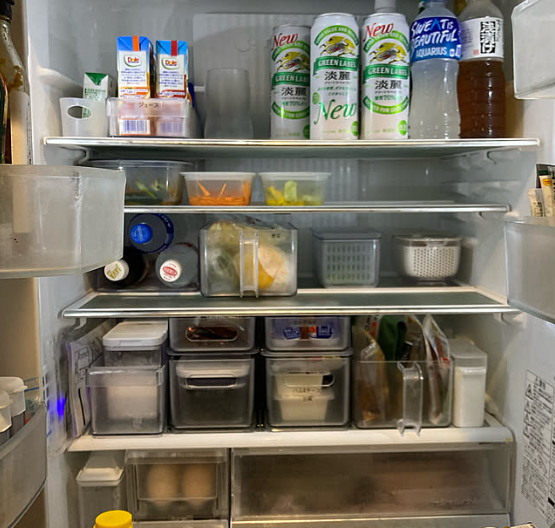
Plopping food into the fridge feels like a safety move, but experts warn that refrigeration can actually dull flavor, damage texture, or increase the chance that certain harmful compounds form in some ingredients. Recent storage guides frequently call out potatoes, sesame oil and garlic. Experts say each one needs its own storage rules.
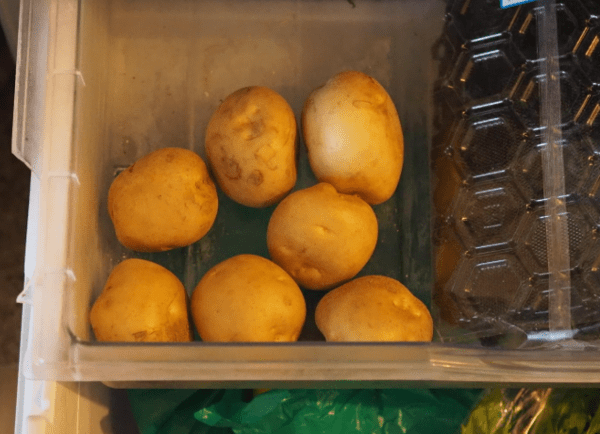
Putting potatoes in the fridge can raise the risk of acrylamide
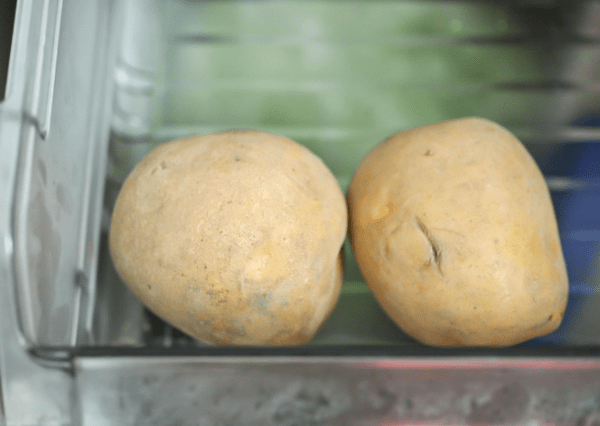
Potatoes are a classic example of something you shouldn’t automatically stash in the fridge. Cold temperatures trigger a process called cold-induced sweetening, where starch turns into sugar. If you fry or roast those sweeter potatoes, the high heat can increase the chances that acrylamide forms.
The International Agency for Research on Cancer (IARC), part of the World Health Organization (WHO), lists acrylamide as a probable human carcinogen. For that reason, experts recommend keeping potatoes in a cool, dark, well-ventilated spot — roughly 6–10°C (43–50°F) — rather than in the fridge.
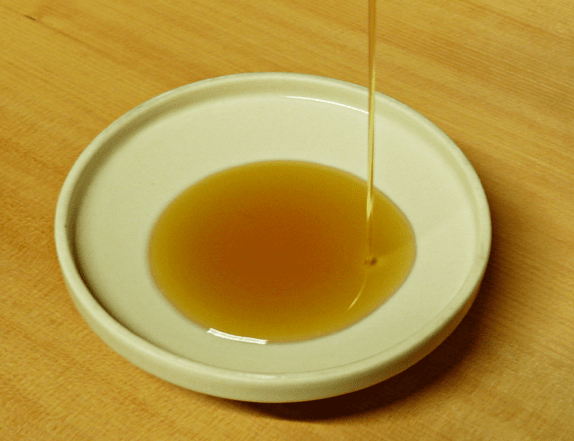
Refrigeration can change sesame oil’s aroma and oxidative stability
Putting sesame oil in the fridge doesn’t directly create carcinogens. But experts say improper, long-term storage can lead to rancidity. Repeated exposure to light, air and temperature swings speeds up fat oxidation and produces off compounds.
Some oxidized fats may pose health concerns. Producers generally suggest storing sesame oil in a cool place away from direct sunlight and using it relatively soon after opening.
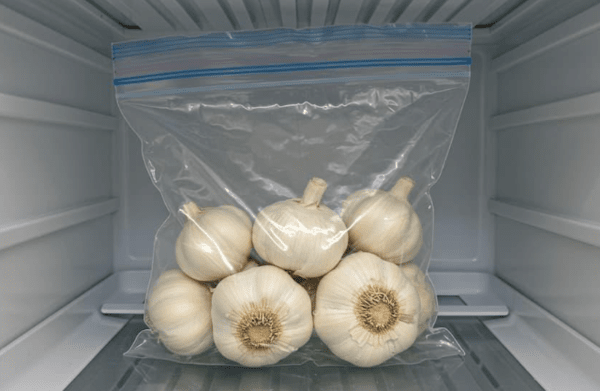
Garlic in the fridge can grow mold and harbor toxins
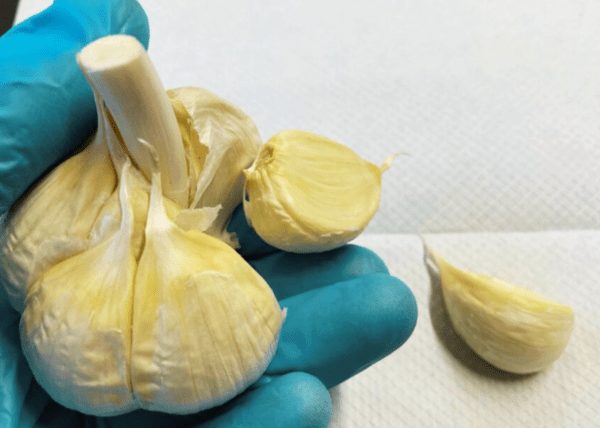
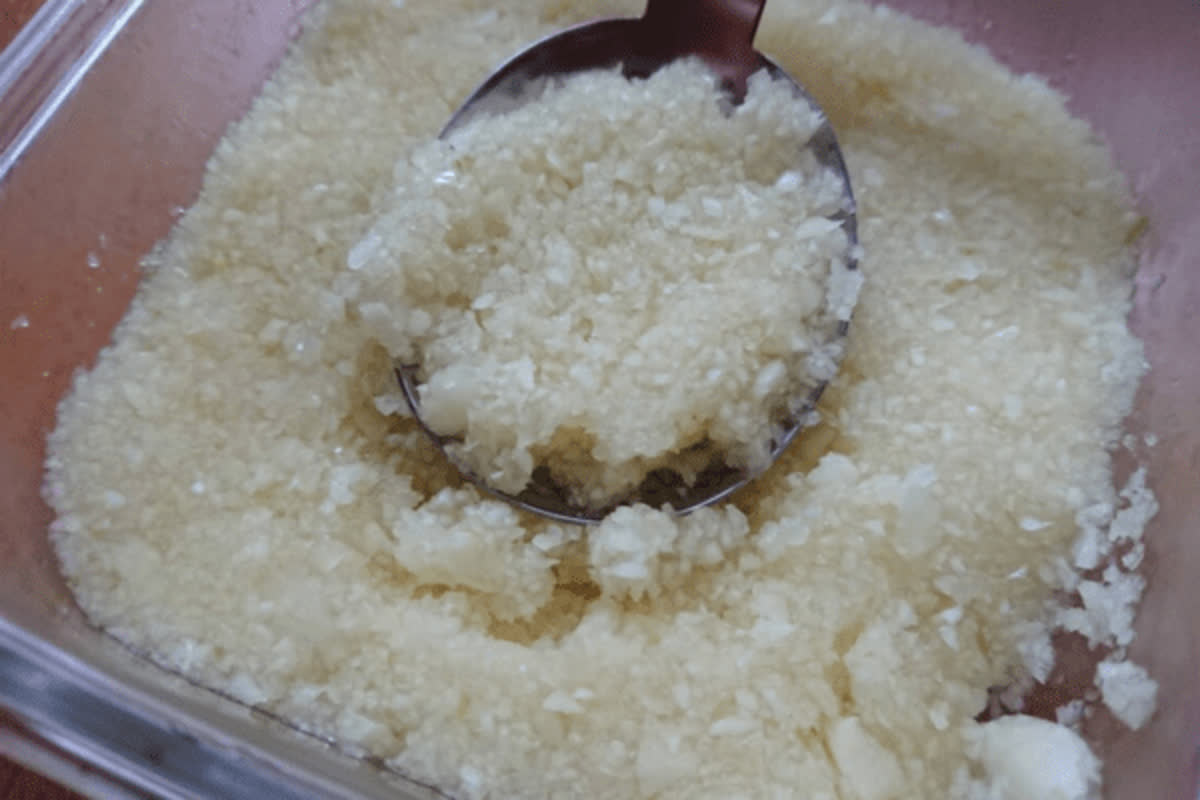
Garlic may develop mold if moisture accumulates in the fridge. Peeled or minced garlic exposes more surface area to air and moisture, so it spoils faster than whole bulbs. Some molds can produce toxins, so it’s best to be cautious.
Keeping garlic sealed for too long can also make it soft or change its smell. Generally, store whole garlic in a cool, well-ventilated spot, and keep peeled garlic sealed and refrigerated only for short-term use.
The real takeaway: manage moisture and time, not just temperature
Experts caution that it’s an overstatement to say refrigeration always creates toxins. Still, cold, damp conditions and long-term storage that don’t match an ingredient’s needs can cause trouble. The most common issues are the combo of cold-induced sweetening and high-heat cooking with potatoes, moisture and mold with garlic, and rancidity with sesame oil.
Examples of improper storage have appeared on domestic TV
TV lifestyle shows in Korea have repeatedly tested potato and garlic storage methods. In one segment, experts showed that potatoes taken from the fridge and fried turned darker and could potentially produce more acrylamide.
Some households also shared photos of soft, moldy garlic found in refrigerators, which grabbed viewers’ attention. Online readers reacted: “Putting everything in the fridge isn’t always the answer,” “Potatoes really should be kept at room temperature,” and “Maybe we should use sesame oil sooner.”











Most Commented