
Translation result
Eggplant-and-egg pancakes — a simple pan-fry of chopped eggplant mixed with beaten eggs — are enjoying a comeback as a comforting home-cooked side.
The silky texture of eggplant and the savory richness of eggs make a cozy pairing, and the straightforward prep keeps this dish popular from busy students to seasoned home cooks. In summer, when eggplants are at their juiciest and most affordable, it’s an easy fridge-staple recipe that feels like a smart everyday side.
Eggplant has long appeared on Korean tables as namul, stir-fries, and steamed dishes, but the version cooked together with eggs has recently stolen the spotlight. Rather than coating individual slices in batter, the trend is to finely chop the eggplant, mix it straight into the beaten eggs, and cook everything in one go. That technique tames eggplant’s naturally limp texture and makes the pancakes kid-friendly, too.
The biggest perk is the moistness. Eggplant’s high water content turns tender when cooked, and eggs lock in that juiciness while letting the exterior brown nicely. Cook the pancakes thin rather than thick and you’ll get a lightly crisp edge with a soft, almost custardy center.
A basic home recipe uses about two eggplants and three to four eggs, plus a pinch of salt and some cooking oil. If you want more flavor, add scallions, cheongyang peppers, red chili, or thinly sliced onion. Scallions add a toasty note, cheongyang peppers cut through the richness, and sliced onion brings gentle sweetness.
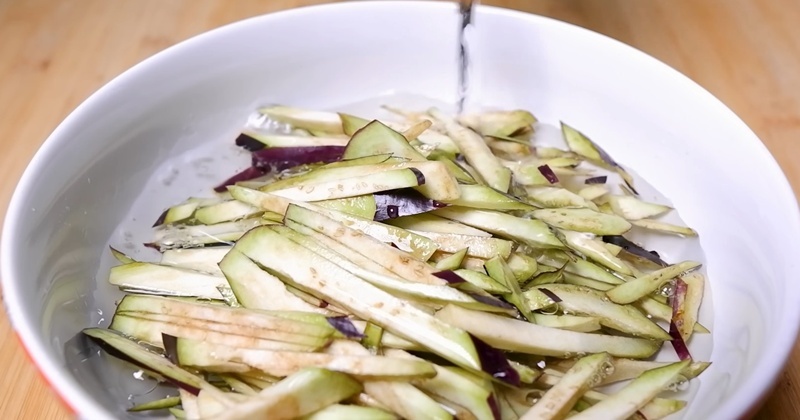
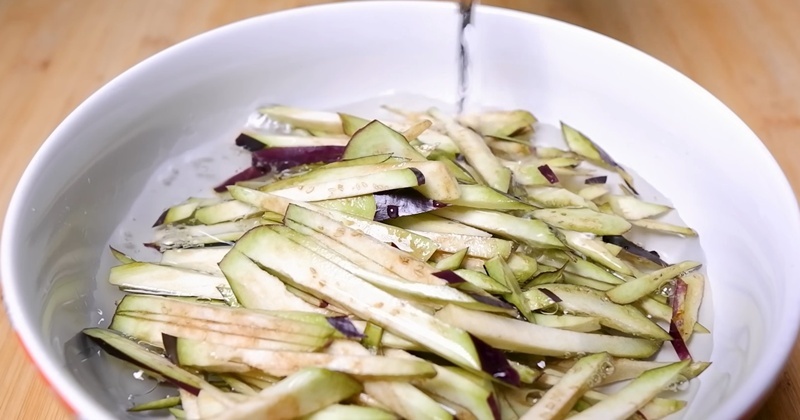
Prepping the eggplant matters. Thick slices take longer to cook and can become mushy; too-thin slices lose texture. Aim for pieces about 0.5 cm or thinner (roughly 1/5 inch), either finely chopped or cut into thin half-moons. Sprinkle a little salt, let them sit for about five minutes to draw out moisture, then gently squeeze to reduce excess liquid so the pan won’t steam the mixture.
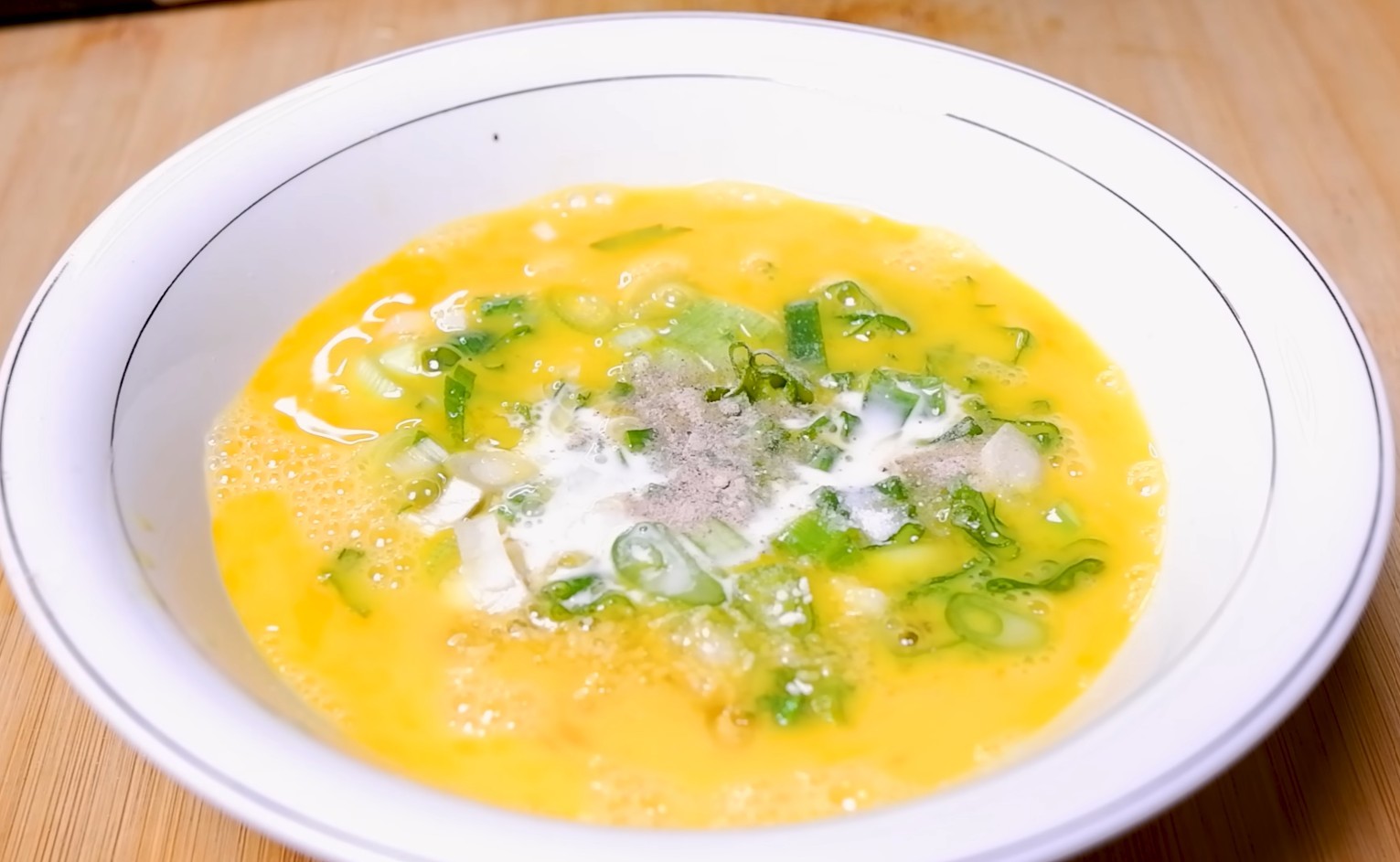
Season the beaten eggs with a little salt before mixing. Some cooks add soy sauce, but too much can darken the color and make the pancakes burn more easily. If you prefer a clean flavor, stick with salt; for a touch of umami, a drop of oyster sauce goes a long way.
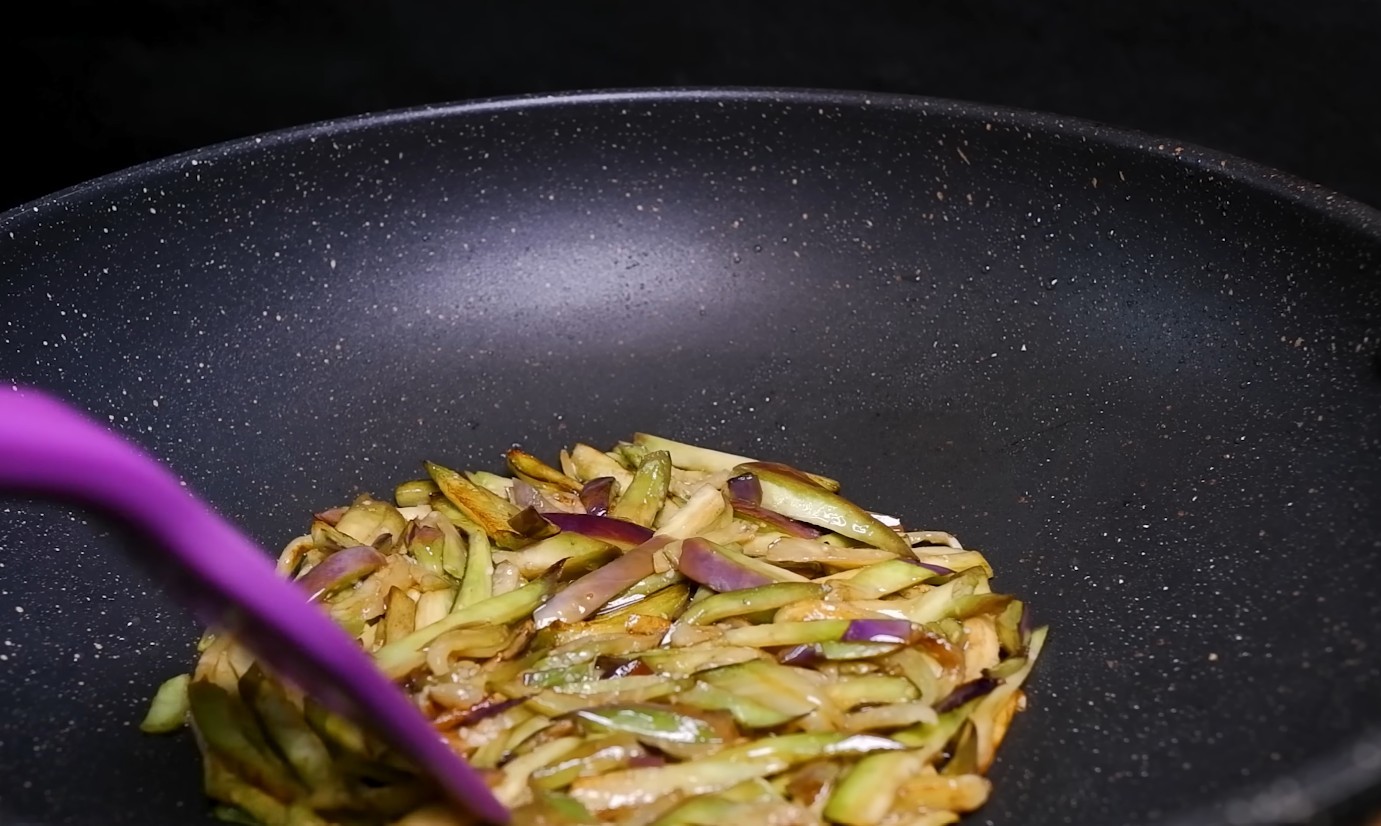
Cook over medium-low heat. High heat risks charring the outside while leaving the center underdone. Because eggplant holds a lot of moisture, slow cooking helps bring out its sweetness. Use just enough oil to coat the pan — adding too much at once will let the eggplant soak it up and turn the dish greasy.
Eggplant tends to absorb oil because of its sponge-like internal structure. Instead of pouring in a lot of oil at the start, add a little and top up as needed while cooking. Lately, people are also using small amounts of olive oil or perilla oil (sesame-like flavor) instead of neutral cooking oil. Olive oil keeps things bright; perilla oil adds a nutty depth.
These pancakes aren’t just a side — they can be a meal. Pile them over rice like a donburi, dress them with a soy-based dipping sauce for a pub-style snack, or toss in leftover veggies for a fridge-cleanout dish. Zucchini, carrots, and garlic chives add color and balance the nutrition.
There are nutritional perks, too. Eggplant contains nasunin, an anthocyanin pigment found in the purple skin that’s often praised for antioxidant benefits, so many people cook eggplant with the skin on. It’s low in calories and high in water, making it a light, easy-to-eat vegetable.
Eggs bring protein, so adding them turns the eggplant into a more satisfying, meal-worthy dish. The soft texture also makes this a great option for older adults or anyone who prefers gentler foods.
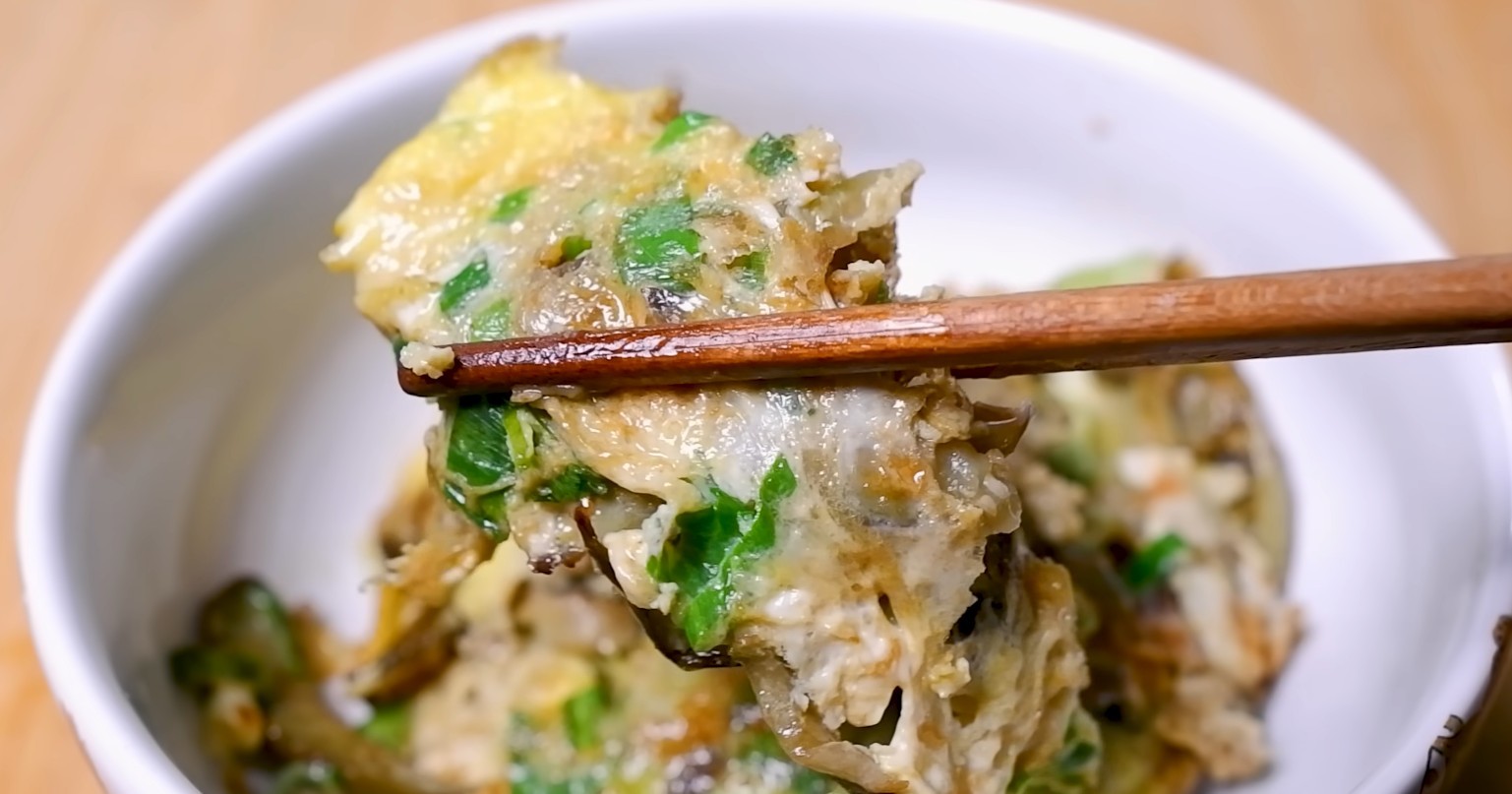
Storage matters. Freshly cooked pancakes are best, but leftovers refrigerate well and reheat nicely. Microwaving can make them soggy, so warm them gently in a pan over low heat to revive that near-original texture.
No-flour versions are trending: just eggplant and eggs create a softer, cleaner bite, while a tablespoon or two of pancake mix or starch yields a crispier finish. Texture is personal — experiment to find your favorite.
Above all, eggplant-and-egg pancakes are forgiving and low-effort. With no fancy ingredients required and a quick cook time, they’re ideal for hot-weather cooking when you don’t want to stand over the stove for long — the perfect summer home side.












Most Commented