
Translation result
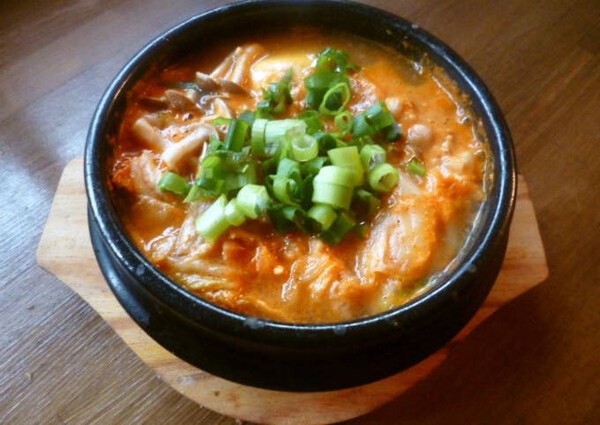
Doenjang-jjigae is comfort food at its finest: the nutty, fermented depth of the soybean paste, the mix of vegetables and seafood, and silky tofu make a stew you can crave every day. Add one unexpected ingredient and the whole thing transforms—both in flavor and health benefits. Meet the tomato. Usually seen in salads, pasta, or Western-style soups, tomatoes actually make an astonishingly good partner for doenjang. It sounds surprising, but the match brings real synergy: tomatoes aren’t just a simple vegetable—they release more beneficial compounds when heated. Paired with doenjang-jjigae, those effects amplify, turning the familiar stew into something new.
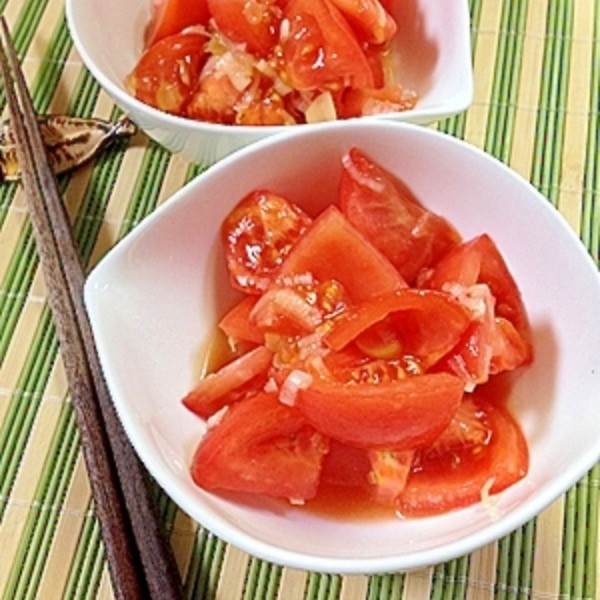
Umami gets richer — tomatoes and glutamic acid
The savory backbone of doenjang comes from fermented amino acids. Add tomatoes and you bring in another layer of umami: glutamic acid, which makes the stew’s flavor noticeably denser. When tomatoes are heated, their sweetness and sharpness mellow while savory solids intensify, making the broth lusciously full. In other words, you don’t need an overpowering anchovy or kelp stock to get a satisfying, rounded soup.
Slice tomatoes thin and add them at the very end. Once the broth starts boiling, 3–5 minutes of simmering is all you need.
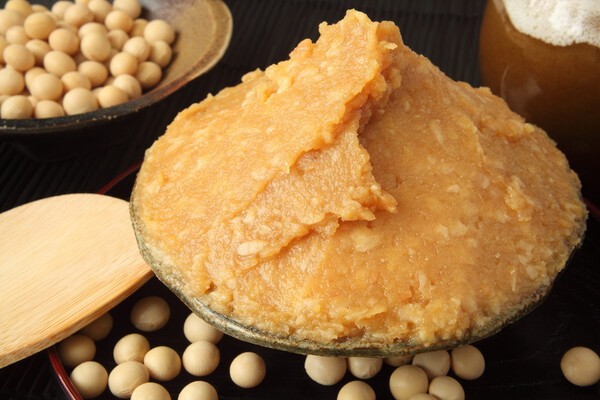
Antioxidant teamwork — fermented doenjang meets tomato lycopene
Doenjang is already a powerful fermented food with antioxidant properties. Introduce tomatoes and you get two antioxidant actions at once: lycopene from tomatoes becomes more absorbable with heat, and it teams up with doenjang’s isoflavones and saponins to help reduce inflammation. Research points to benefits for protecting stomach lining and vascular walls.
This combo is particularly helpful for middle-aged and older adults, and it’s a smart, food-forward way for anyone to support healthy aging.
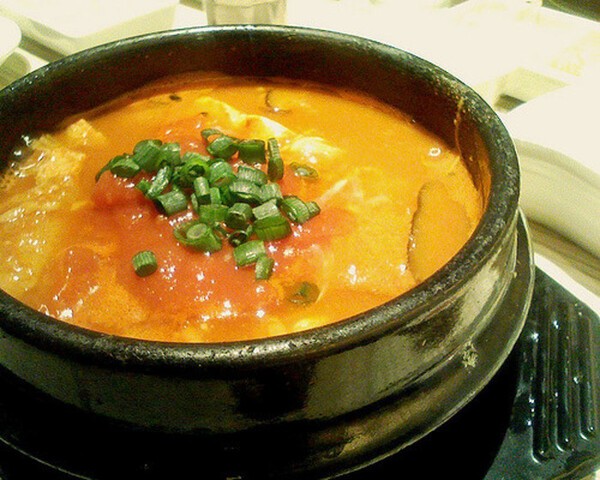
Easier on the stomach — acidity balance and digestion support
Doenjang-jjigae can be high in sodium, which may irritate a sensitive stomach. Tomatoes are mildly acidic, but cooking stabilizes that acidity and can help regulate stomach acid secretion. Their pectin and fiber gently soothe the stomach lining and promote digestion. If you sip the stew on an empty stomach, the tomato acts like a buffer, toning down harsh stimulation.
Because of this, tomato-enhanced doenjang-jjigae makes a lighter breakfast option and is a good pick for people wanting to avoid gastric irritation.
Kitchen-friendly harmony — pairs with what’s already in your fridge
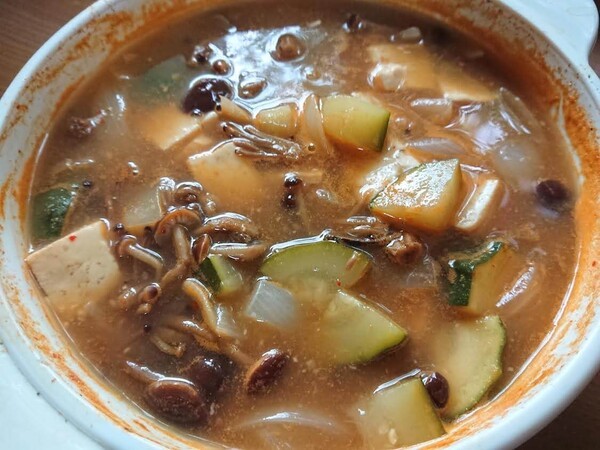
Tomatoes play nicely with nearly everything. They complement common doenjang-jjigae ingredients—potatoes, squash, tofu, and mushrooms—without overpowering them, and they brighten the broth’s color to make the dish look as good as it tastes. In a stew with many components, tomatoes blend in naturally rather than stick out.
Leftover half tomatoes or slightly shriveled cherry tomatoes from the fridge work perfectly. They don’t have to be pristine.
Versatility — more than just a soup
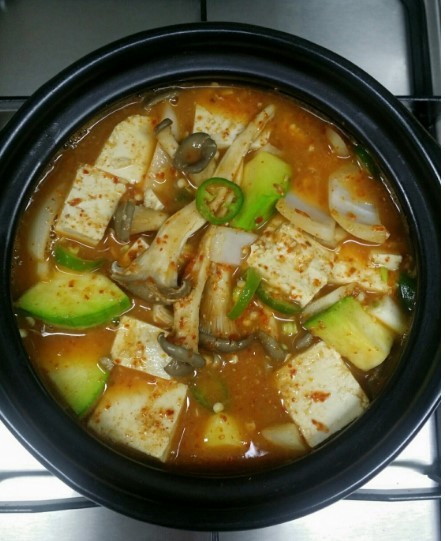
Adding tomatoes to doenjang-jjigae does more than boost flavor. Stir in pasta, quinoa, millet, or brown rice and you’ve got a complete meal. For people leaning toward plant-forward eating, it’s an ideal way to pack protein, fiber, and antioxidants into one satisfying dish.











Most Commented