
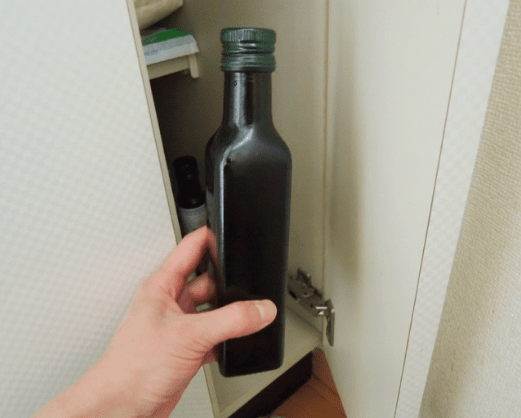
Don’t keep it by the gas range — why olive oil storage actually matters
Olive oil is celebrated as a healthy fat, but poor storage can wreck its quality fast. Stashing a bottle next to your gas range is one of the worst habits — the real culprit isn’t just spoilage, it’s oxidation.
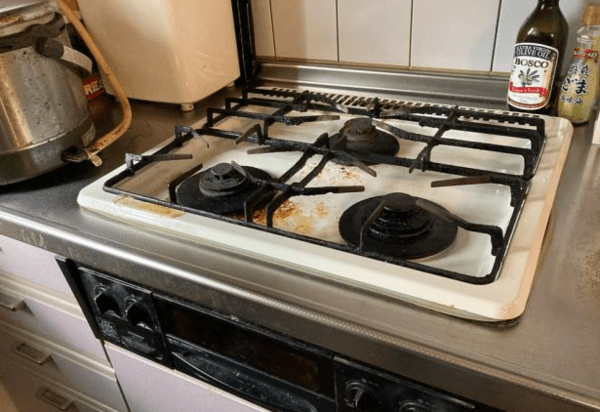
The space around a gas stove exposes oil to both heat and light
Heat and flames from cooking constantly batter the oil. Olive oil is particularly sensitive to that combo.
“Isn’t that just a little warmth?”
A short burst of warmth is fine, but repeated exposure speeds up oxidation dramatically.
Heat begins to break down the fat structure
The unsaturated fats in olive oil are heat-sensitive. As temperature rises, the fat molecules change and the oil’s quality declines.
“Is it okay to use while cooking?”
Using it during cooking is fine — but storing it where it’s constantly warm is a different story.
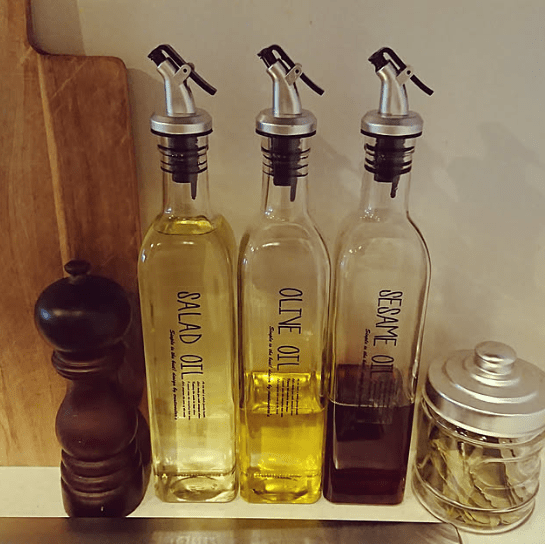
Light speeds oxidation, too
Kitchen lights and open flames accelerate the process. Oils in clear bottles are hit the hardest.
“Does light really make a difference?”
Yes — oil reacts to light. That’s why reputable producers use dark glass bottles.
Oxidation can create potentially harmful compounds
When oil oxidizes, it can form lipid hydroperoxides and similar compounds. These byproducts can be taxing on your body.
“Does that mean it becomes toxic?”
Not in an acutely poisonous way, but regular consumption of oxidized oil isn’t great for your health.
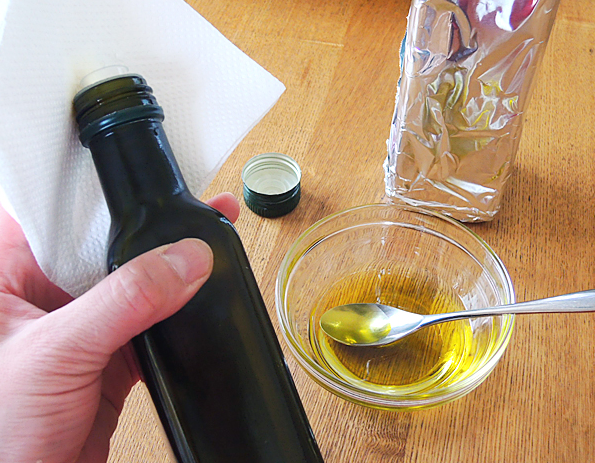
If it smells or tastes off, oxidation is already underway
Fresh olive oil smells nutty and bright. If it smells rancid or tastes dull and heavy, oxidation has begun.
“Is it okay if it’s still before the expiration date?”
Expiration dates aren’t everything — poor storage can speed up deterioration. Trust your nose and taste first.
Store it in a cool, dark place
Avoid direct sunlight and keep bottles somewhere cool with a steady temperature.
“Should I keep it in the fridge?”
You can, but olive oil may solidify. For most people, a cool, dark spot at room temperature is the sweet spot.
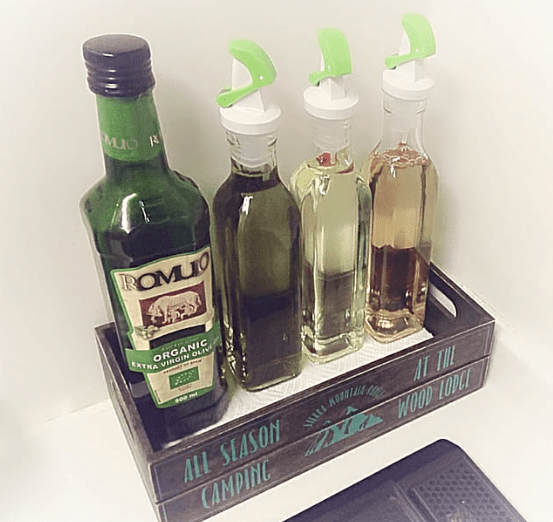
Always seal the cap tightly to limit air exposure
The more air the oil meets, the faster it oxidizes. Make sure to close the bottle right after use.
“Is opening it often bad?”
Frequent use is fine — leaving it open is the issue.
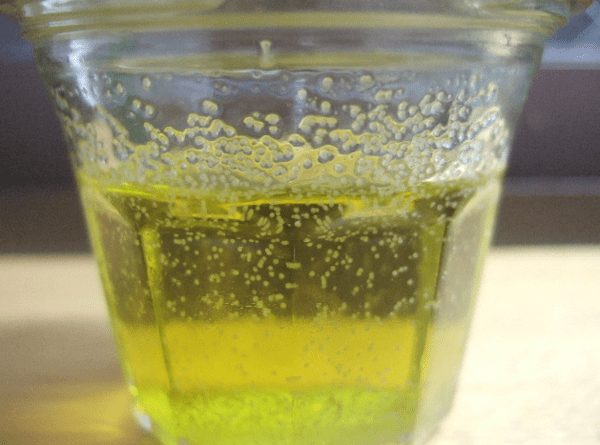
In short: block heat, light and air
How well you keep these three factors at bay determines how long your olive oil stays at its best.
“Maybe I should rearrange my kitchen.”
That’s the single biggest change you can make. One small shift in storage habits can keep your oil fresh — or ruin it.











Most Commented