
In France it’s a restorative delicacy once reserved for nobility — in South Korea, hardly anyone eats it
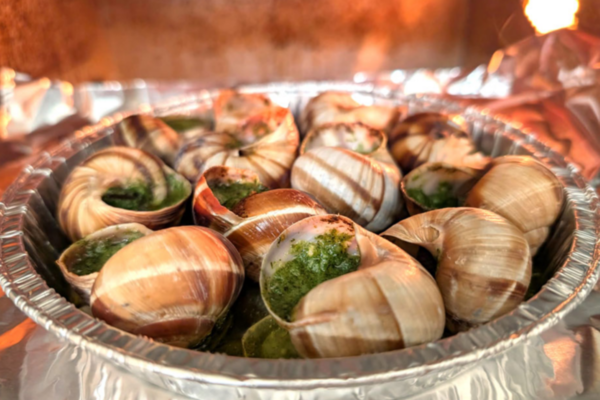
Table of Contents
Why snails are considered an upscale restorative food
Nutritional profile: high protein density
Why they are rich in collagen and minerals
How they aid the body’s recovery
Why they can become dangerous if eaten improperly
How to eat them safely
Key dietary principles for restoring the body

1. Why snails are considered an upscale restorative food
In France, snails are treated as a traditional, high-protein, low-fat ingredient—think of them as a luxe comfort food that’s also lean. Because they deliver concentrated protein without much fat, many chefs and nutrition experts view them as nourishing without being heavy.
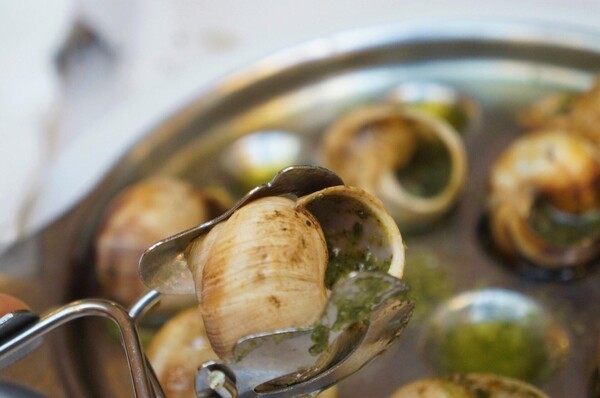
2. Nutritional profile: high protein density
Snails provide about 15–20 g of protein per 100 g (a 100 g portion is roughly 3.5 oz). That protein supports muscle maintenance and recovery, while the low-fat profile means less metabolic strain—useful when you want something restorative but light.
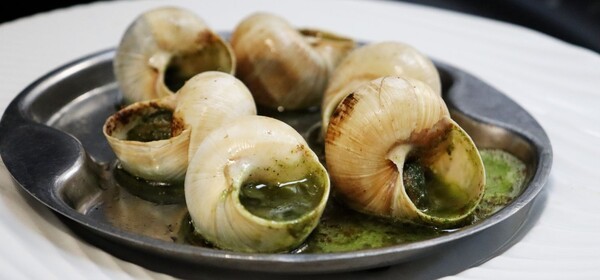
3. Why they are rich in collagen and minerals
Snails also contain collagen and minerals like iron and magnesium—nutrients linked to tissue repair and overall physiological function. That blend of protein and micronutrients is part of why they’re seen as restorative.
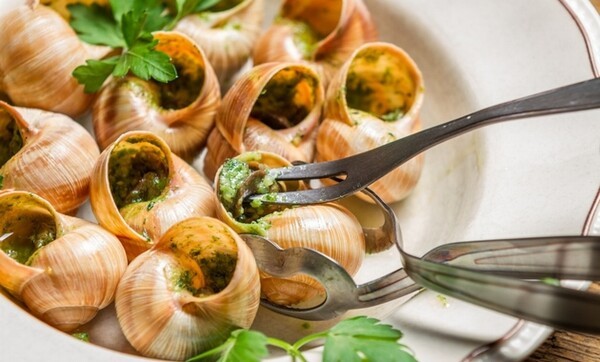
4. How they aid the body’s recovery
Protein and minerals are the building blocks for cell repair and energy metabolism. During recovery—whether from illness or intense training—those nutrients play an outsized role in helping your body rebuild and regain strength.
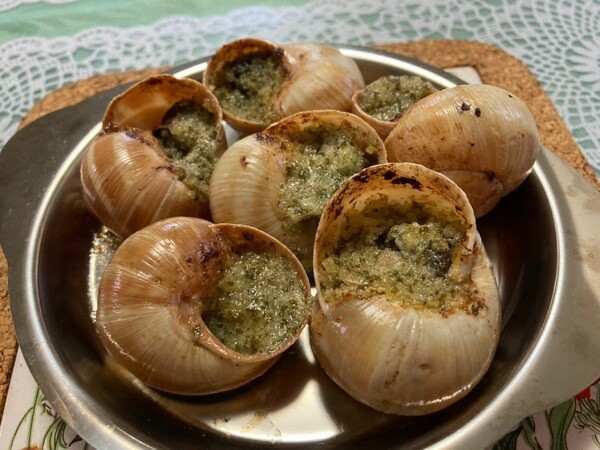
5. Why they can become dangerous if eaten improperly
Wild snails may carry parasites or microbial contaminants. If they aren’t cleaned and cooked thoroughly, there’s a real infection risk. That’s why careful, hygienic preparation isn’t optional—it’s essential.

6. How to eat them safely
Stick to snails from reputable, farmed, or certified sources, and cook them thoroughly. Proper heat and time—boiling, then finishing at high heat—will kill parasites and pathogens and make them safe to eat.
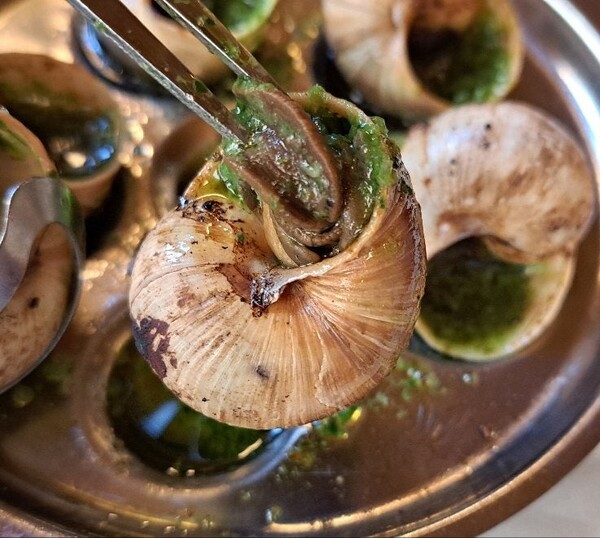
7. Key dietary principles for restoring the body
When you’re building a restorative diet, prioritize safety and balance over novelty. Familiarity is nice, but a food’s safety, nutrient density, and how it fits into an overall balanced plan matter more for real recovery.












Most Commented