
Translation result
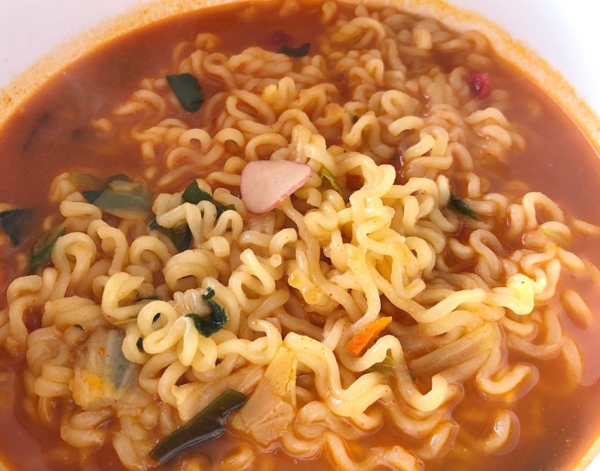
Ramen is one of the most commonly eaten foods in Korea. It’s a go-to late-night snack and a comfort staple for rainy days and camping trips. Quick to make, it’s practically a lifeline for people living alone and busy professionals. The catch? Its high sodium, fat, and carbohydrate content often raises health concerns.
Lately, more people are hunting for ways to make ramen a bit healthier. Three ingredients keep popping up: natto, tomato, and milk.

People often cite protein and fermented-food benefits when they add natto
Natto is a Japanese fermented soybean dish whose sticky texture divides opinions but has a strong health-food rep. It’s frequently praised for its protein, fiber, and probiotic benefits.
Recently, more people have tried adding natto to ramen, reporting that it fills the protein gap and keeps them feeling fuller. Fans also say the fermented umami surprisingly deepens the broth. Reviews often call it “richer than expected” or note that “the broth tastes more full-bodied.”

Many say adding tomato makes the broth taste cleaner
Tomato is a go-to ingredient in healthier ramen recipes. People often point to its antioxidants, like lycopene and vitamin C. They also note that tomato’s acidity helps cut the greasy feel of ramen broth.
Many say tomatoes make the broth taste brighter and cleaner. A lot of people also find tomato works surprisingly well with spicy ramen.

Many say adding milk softens the broth’s heat
Milk in ramen is already a familiar trick. Adding a splash of milk to spicy ramen often makes the broth much smoother and creamier.
The protein and fat in milk mellow the spice. Reviewers describe it as “cream ramen,” saying even spice-averse eaters can enjoy it.
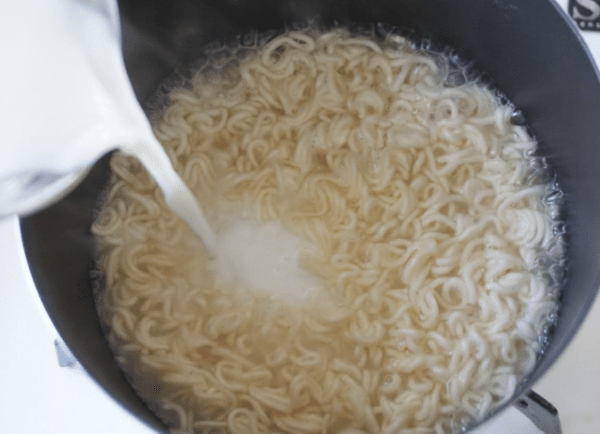
Ultimately, many say the goal is to fill ramen’s nutritional gaps
Experts point out that ramen isn’t inherently bad but is often heavy on carbs and sodium. That’s why adding protein, veggies, or fermented foods is a common balancing strategy.
Ingredients like natto, tomato, and milk can each help offset ramen’s weaknesses—supplying protein, antioxidants, and creaminess, respectively.
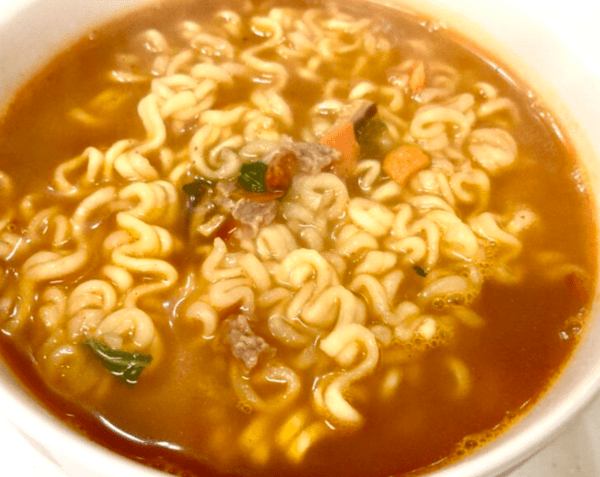
Healthy ramen recipes have actually gone viral in Korea
Korean cooking forums and social media have repeatedly spotlighted healthier ramen recipes. In one viral example, a solo-living food YouTuber shared “ramen combos that reduce bodily strain,” featuring tomato, milk, and natto; the videos racked up views and buzz.
Comments included: “It really tastes refreshing with tomato,” “I can’t stop thinking about milk ramen,” and “Natto fits surprisingly well.” Overall, home cooks who balance health and flavor—not just indulgence—are steadily building an audience.













Most Commented