
Translation result.
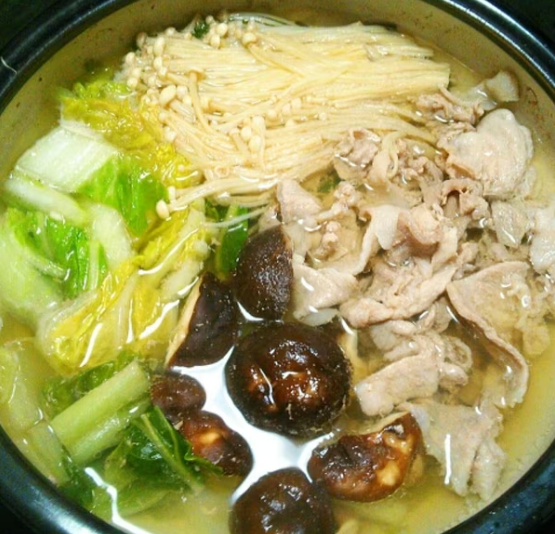
Dining out used to immediately bring to mind bold, greasy picks—samgyeopsal (pork belly), fried chicken, or burgers. But lately, as people get more health-conscious, diners increasingly look at calories and nutritional balance when choosing where and what to eat.
“It should taste good but not leave me feeling weighed down,” is a common refrain—and that’s helped put dishes like shabu-jjim in the spotlight. Nutrition experts often point to shabu-jjim as a relatively balanced restaurant choice that pairs vegetables with protein.
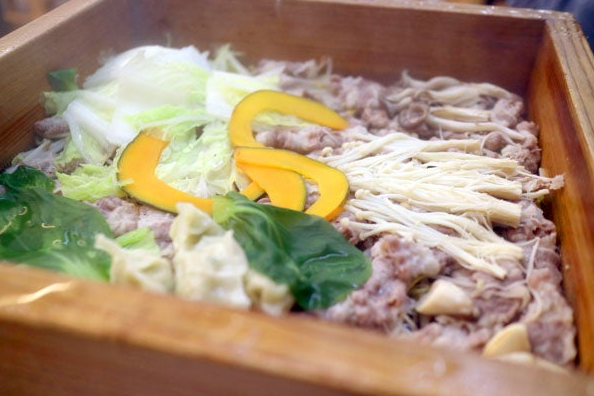
Shabu-jjim delivers a sensible mix of vegetables and protein.
At its core, shabu-jjim is about cooking an array of vegetables and meats together. Common pairings include napa cabbage, bok choy, mushrooms, bean sprouts, and watercress served with beef or pork. Compared with carb-heavy meals, this composition usually offers more fiber and protein.
Because the format nudges you to eat plenty of vegetables, many people say it helps them feel full longer. And since ingredients are briefly cooked in broth rather than fried, it often feels lighter and less oily than typical fried restaurant fare.
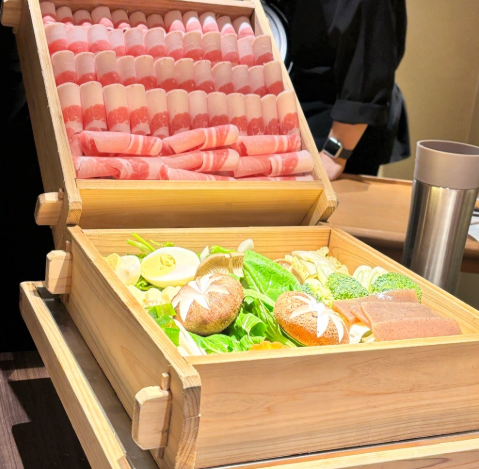
Many say shabu-jjim tends to be lower in calories than other dining-out options.
Calories vary by ingredients, but compared with all-you-can-eat meat deals or fried menus, shabu-jjim is often lighter. Ramping up the veggies and cutting back on noodles or rice porridge can noticeably reduce the meal’s calorie load.
Of course, sauces and extras change the math. Since the default prep is boiling or blanching, it usually ends up less calorie-heavy than fried or heavily stir-fried dishes.
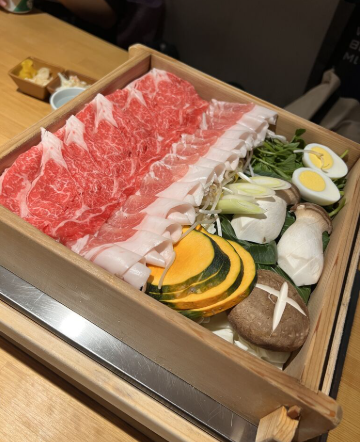
The variety of vegetables also boosts its nutritional appeal.
Shabu-jjim typically includes mushrooms, napa cabbage, and bok choy. That mix helps deliver vitamins, dietary fiber, and minerals.
Mushrooms add satisfying texture and a healthy-food vibe, while high-water vegetables like bean sprouts and cabbage feel light on the stomach. With meat alongside, the dish is an easy way to get both protein and veggies in one meal.
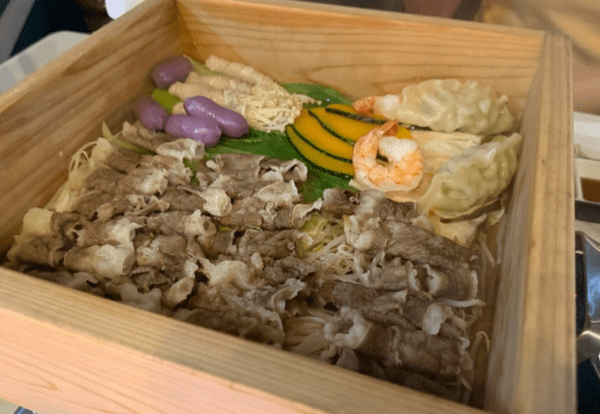
But experts warn that sauces and finishing dishes can undo those benefits.
How you eat shabu-jjim makes a big difference. Overdoing high-sugar or high-fat sauces—think peanut or sweet chili—can push calories up fast.
And finishing the meal with fried rice or noodles can turn a light dinner into a high-calorie one. Experts usually advise focusing on veggies and protein first, and moderating sauces and extra carbs.
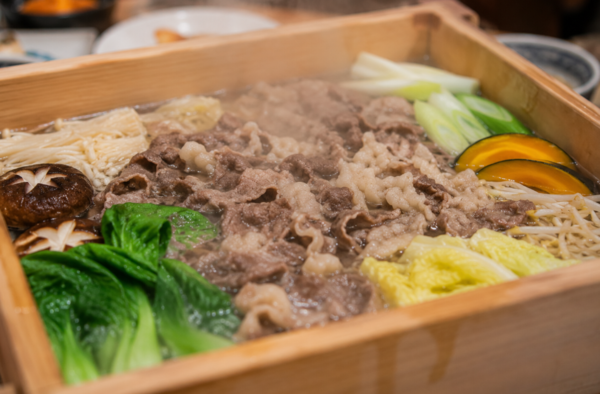
There are even real-world examples of shabu-jjim used in meal plans.
Health shows and diet case studies in Korea have spotlighted shabu-jjim as a practical way to manage eating out. One case followed an office worker who swapped typical company-dinner staples—fried foods and grilled meats—for mostly shabu-jjim, reporting higher veggie intake and better satiety, the program said.
Experts stress that no single dish defines health. Still, choosing balanced options like shabu-jjim—where vegetables and protein are front and center—can be a smart habit for healthier dining out.











Most Commented