
Discover the Rich Flavor of Hong Salchi: Why This ‘Fatty Fish’ is the New Culinary Sensation
Daniel Kim Views
Translation result
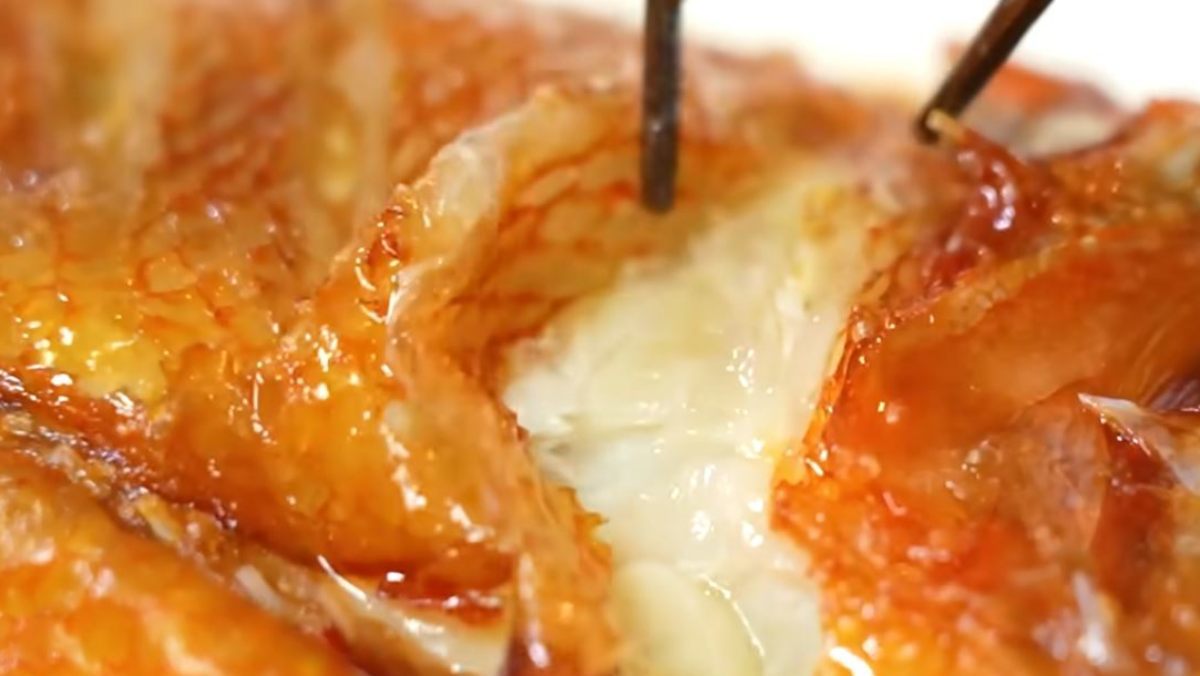
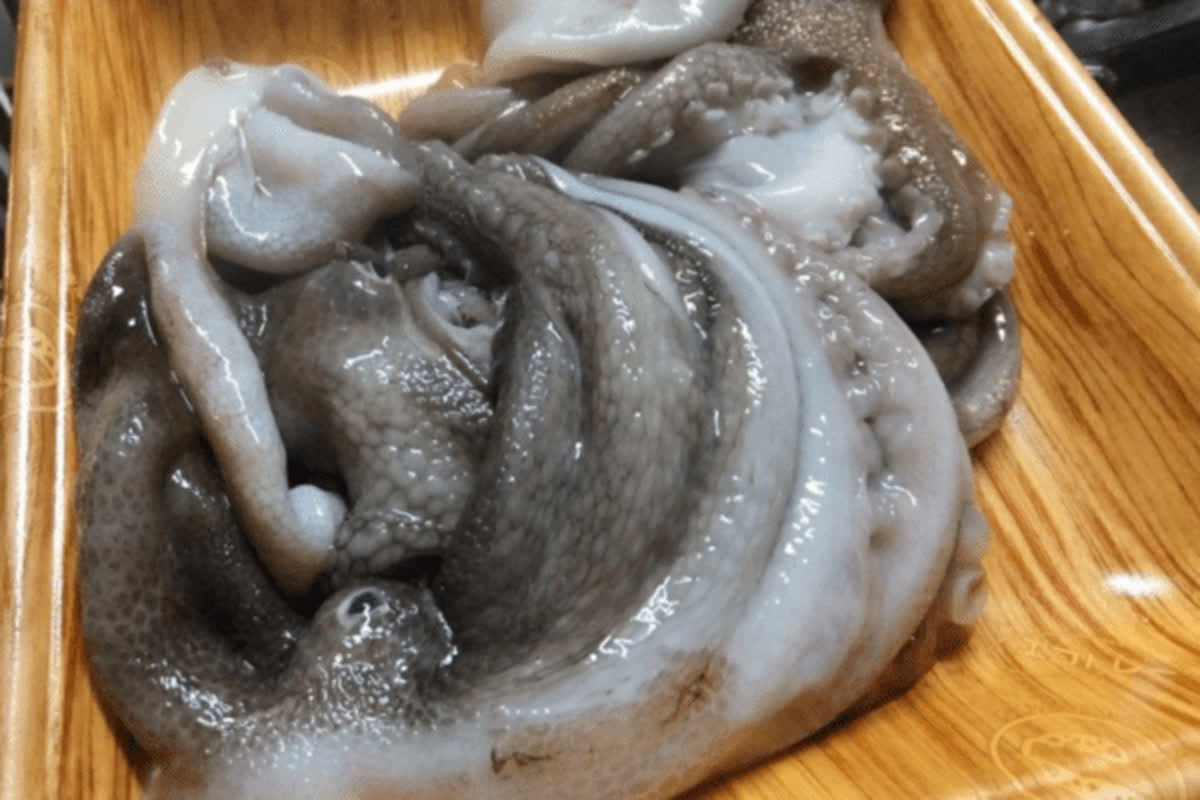
One bite of this fish will make you chuckle — not out of amusement but because its fattiness is downright overwhelming. Seafood YouTuber Kim Ji-min showcased this legendary “oil bomb” on his channel Ipjil’s Memories TV (jiminTV), calling it even greasier than pork belly and explaining why food lovers treat it like a mythic delicacy.
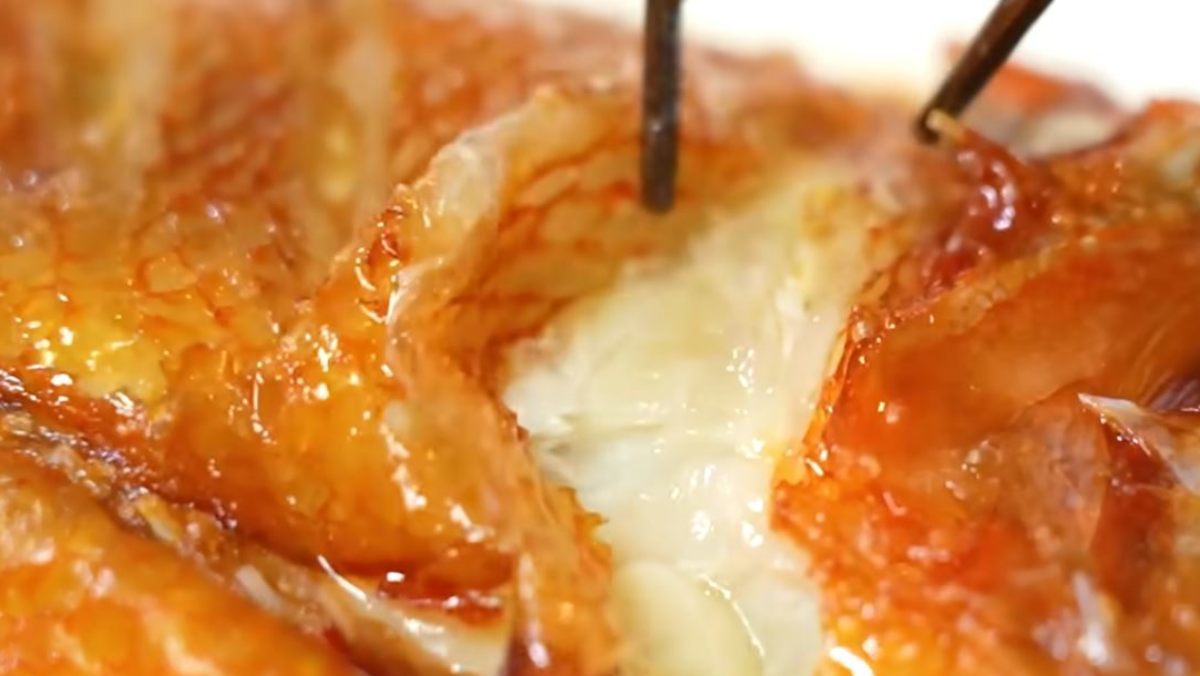
The ultimate red-flesh fish that outshines kinmedai in Japan
Hongsalchi is part of the Sebastolobidae family — a group closely related to other rockfish — rather than the seabass order. It’s a cousin to various rockfish species like alfonsino and other deep-sea relatives. In Japan, the fish is more commonly known as “kinki” than by its formal name “kichiji.” Rare in Korea and typically imported from Japan, it’s considered one of the top three “red-flesh” luxury fish alongside species like kinmedai.
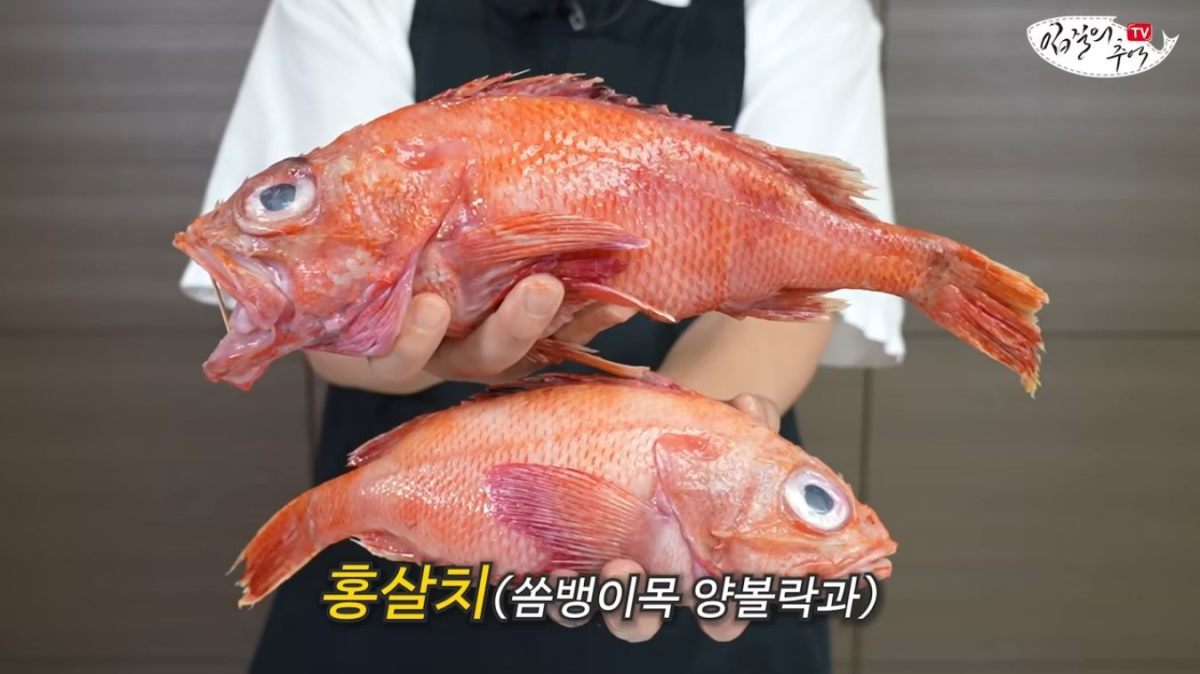
This fish lives mostly among deep rocky bottoms below 100 m (about 330 ft), ranging from the chilly waters off the Kamchatka Peninsula and the Kuril Islands down to Hokkaido and northern Honshu in Japan. Supply in Korea is tiny — you might occasionally find one mixed into a box of bycatch at Busan’s cooperative market — and specials over 30 cm (about 12 in) like the one in the video are very scarce. Prices fluctuate by importer and season, but raw whole fish often sell for roughly 40,000–50,000 KRW (approximately $30.00–$37.50), and restaurants can charge around 100,000 KRW (approximately $75.00) for a prepared serving.
Ferocious looks and venomous spines, plus a distinct diet
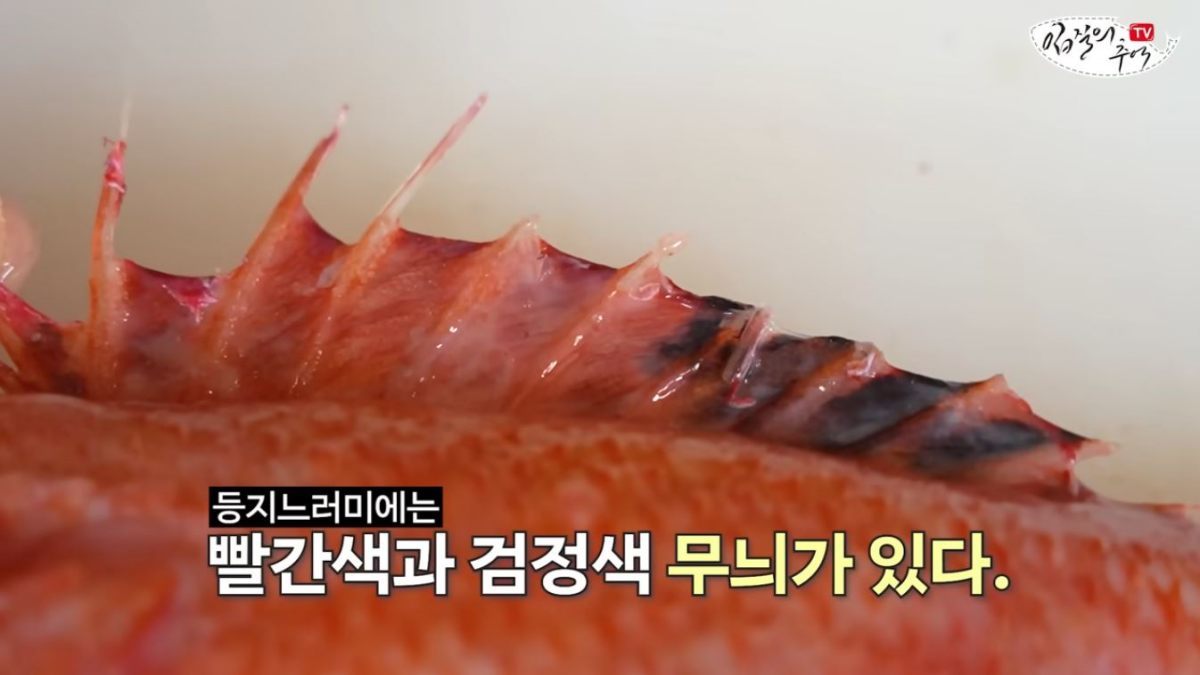
Hongsalchi is marked by bold black patterns on its dorsal fin and sharp spines around its eyes and fins. Notably, the family’s characteristic venom can remain in those fin spines, so even a prick from a dead fish can swell and hurt — handle with caution during preparation. Its main prey includes deep-sea brittle stars and small crustaceans, and that diet helps shape the fish’s signature flavor.
Greasier than pork belly? A nutty, melt-in-your-mouth richness
When extremely fresh, you can eat it raw, but the classic preparations are Japanese-style soy-braised “nitsuke” and simple salt-grilling. The standout trait when cooking is sheer oiliness. Grilling releases a savory aroma reminiscent of dried shrimp from the skin, while the inner fat layer delivers a deep umami similar to sablefish. The flesh flakes tenderly and practically dissolves on the tongue.
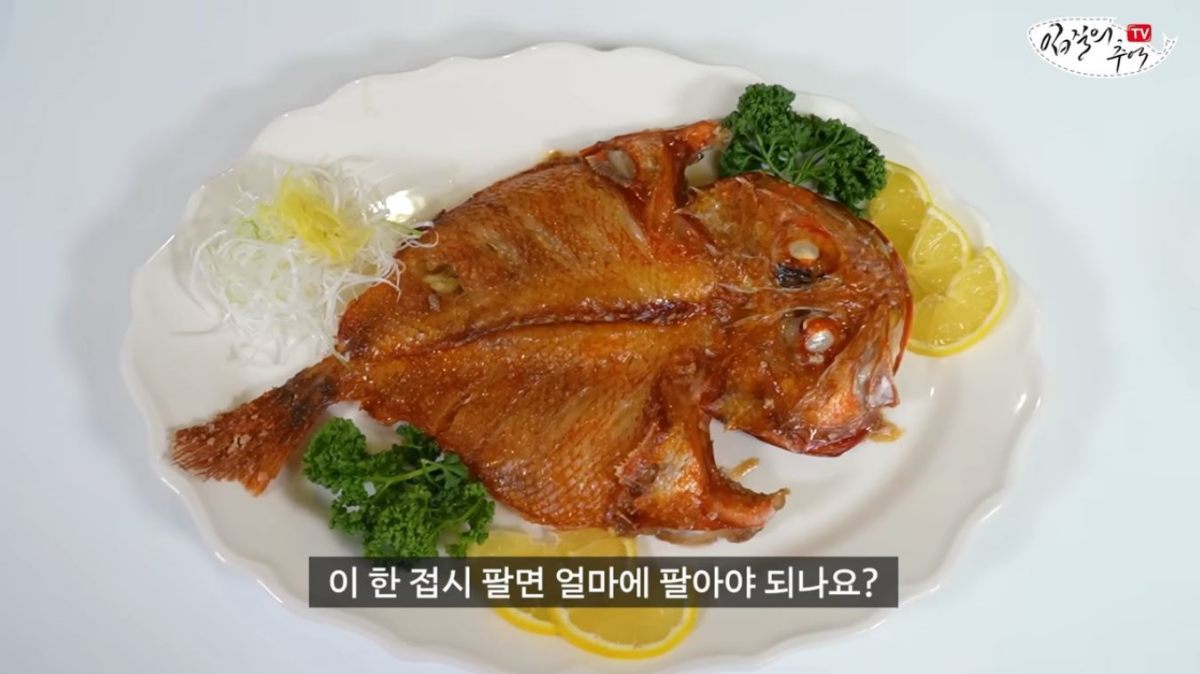
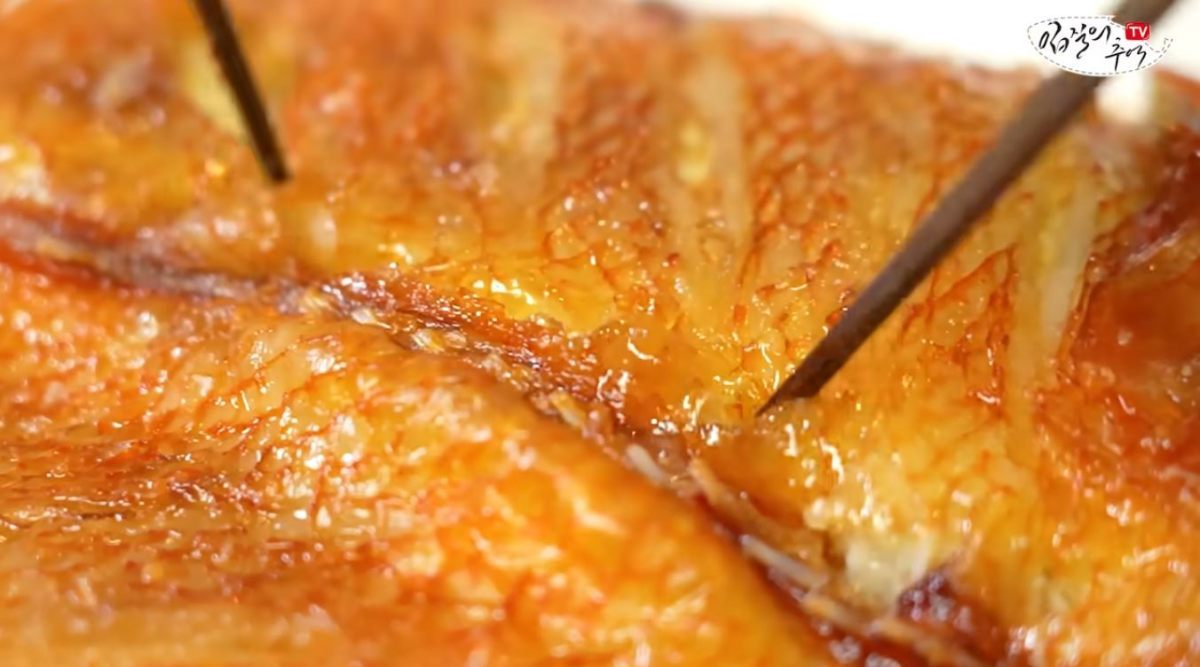
In the tasting on the video, hongsalchi came across as about 70–80% similar to kinmedai in flavor but with a thicker, crunchier skin and a chewier bite. When grilled, it feels like the flesh has been bathed in its own oil; when braised, the sweet-savory sauce and fatty meat create a harmony that reviewers called a true “rice thief” — you won’t be able to stop spooning it over rice.
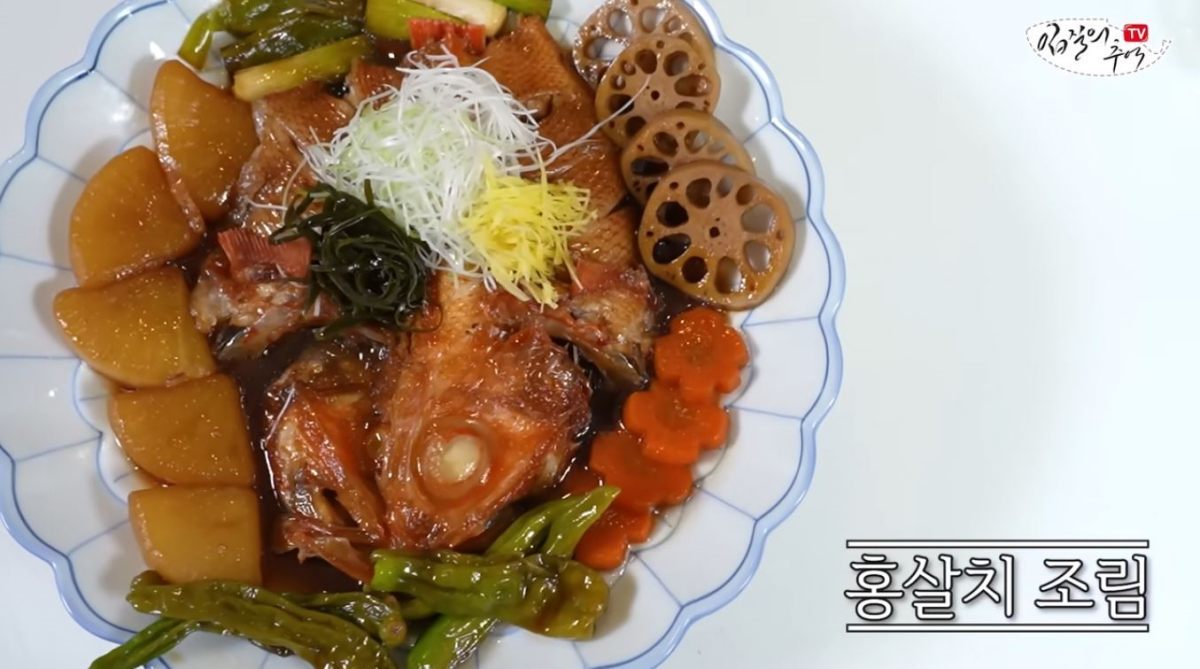
Because the skin’s fatty flavor is so intense, bright accompaniments like a squeeze of lemon, scallion ribbons, or shredded ginger help cut the richness and highlight deeper flavors.
The looks say it all — viewers stunned by its legendary taste

Viewers were fascinated by the fish’s unusual appearance and its sheer fattiness. Comments included reactions like Isn’t this the one they sell in Japan after an hour on charcoal for about 100,000 KRW (approximately $75.00)? I’ve never seen it before but it looks delicious, You have to eat it right after the heat hits that oil — amazing, It’s kinki… definitely tasty, showing a lot of excitement about its flavor.
Many people shared firsthand experiences: When I go to Hokkaido, I always order kinki — the soup is incredible, I always eat this in Japan; just salt and grill over charcoal and it’s perfection, I had it once as a kid and it blew me away. Grilled is amazing, underscoring the fish’s high regard locally.
Others compared the fish to pop-culture images and viral clips: It looks like a fish from a comic, I’ve seen it all over Shorts, The expression says it all… it must be really good, Oh man, I really want to try this fish, reflecting the buzz around both the visual and the host’s reaction.
Why gourmets go nuts for this deep-sea gem
Biologically, hongsalchi is a deep-sea species in the genus Sebastolobus; its scientific name is Sebastolobus macrochir. It typically inhabits extreme North Pacific depths between about 150 m and 1,200 m (roughly 490–3,940 ft). In Korea’s market, hongsalchi has become shorthand for high-end seafood because of its rarity and distinctive taste. Its legendary status comes from survival strategies it developed in harsh deep-sea environments.
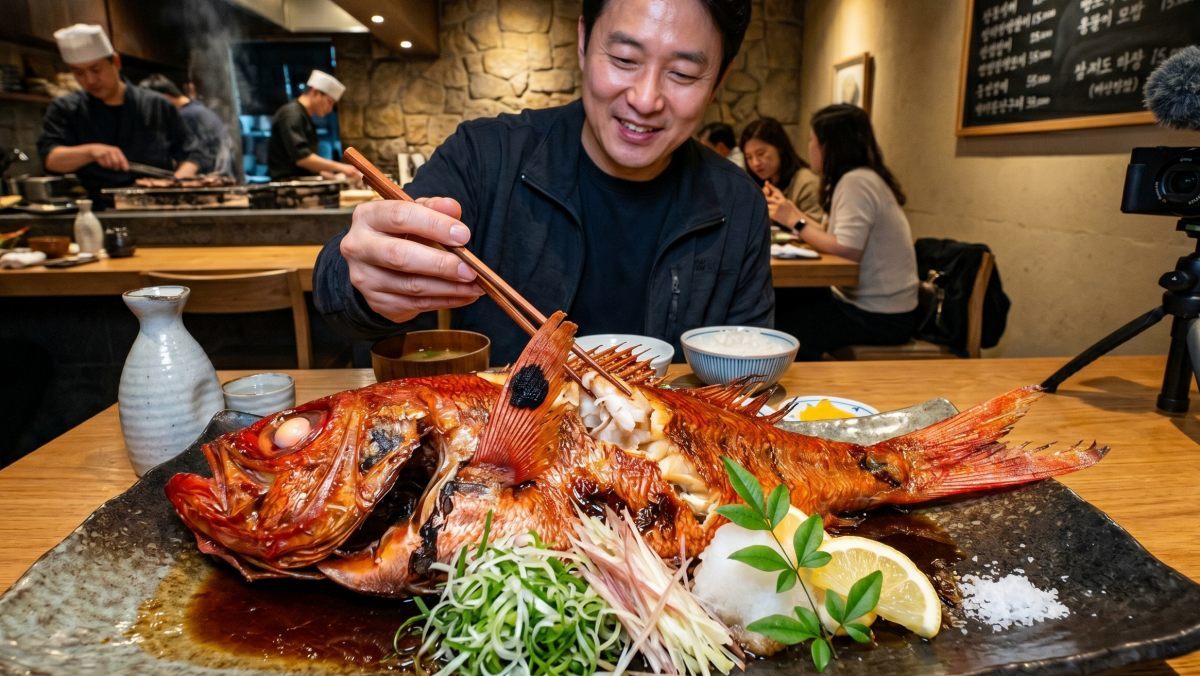
The deep North Pacific where hongsalchi lives is frigid and food-scarce. To conserve heat and store energy, the species evolved to pack its body with large amounts of unsaturated fat. While typical white-fleshed fish have around 5% fat, hongsalchi can exceed 20% at peak season — a level approaching fatty cuts of meat like pork belly or beef sirloin. When heated, that melting fat produces a savory richness few other fish can match.
The fish’s appeal isn’t just about quantity of fat. Feeding on brittle stars and small crustaceans gives its flesh a subtle sweetness and umami. Its skin is thicker and richer in collagen than many species, and when grilled the aroma resembles roasted dried shrimp or even lobster shell. The flesh is moist with fine muscle fibers, so it practically melts in your mouth.
From a supply perspective, hongsalchi remains a rare and costly ingredient. Commercial fishing off Korea’s coasts is almost non-existent, so most supply comes flown in from Hokkaido or Aomori Prefecture. In Japan, single-line catches known as “ippon-zuri” are prized, and flawless, undamaged specimens can fetch auction prices in the tens of thousands of yen.
From a culinary science viewpoint, hongsalchi’s fat has a low melting point, so technique matters. Cook it too hot and the precious fat will render away; that’s why high-end Japanese restaurants often prefer slow charcoal grilling using reflected heat. Done this way, the skin crisps like a cracker while the interior stays juicy — the ideal contrast.
As Korea’s food scene increasingly values rarity and pure ingredient flavor, hongsalchi is being hailed as the next top-tier ingredient after kinmedai. Supply still lags demand, but gourmets who’ve experienced its overwhelming flavor call it the “prince of the deep” — a must-try for serious food lovers.










Most Commented